
- Voice Science & Acoustics
- Cymatics, Sound & Vibration
- Psychoacoustics & Hearing
- Frequency & Alternative Perspectives
Voice Science & Acoustics
The Science of the Singing Voice – Johan Sundberg
Johan Sundberg’s classic study examines the acoustics and physiology of singing, from respiration and vocal-fold vibration to articulation, formants and resonance. An essential reference for singers, vocal coaches, teachers and anyone interested in the scientific foundations of the human voice.

The Science of Sound – Thomas D. Rossing, F. Richard Moore & Paul A. Wheeler
The Science of Sound provides a broad introduction to acoustics, covering vibration, waves, resonance, pitch, timbre, hearing, musical instruments, the human voice and room acoustics. A valuable foundation for readers who want to understand how sound behaves physically and how it is perceived.
Principles of Voice Production – Ingo R. Titze
Ingo Titze explores the physical and physiological principles underlying voice production, including vocal-fold vibration, airflow, acoustics, resonance and vocal function. A detailed scientific reference for singers, voice teachers, speech professionals and readers interested in the mechanics of phonation.
Practical Vocal Acoustics – Kenneth Bozeman
Kenneth Bozeman connects vocal acoustics with practical singing pedagogy, explaining how resonance, formants and acoustic interactions influence registration, vowels and vocal efficiency. Particularly useful for singers and teachers who want to apply voice science directly to training and repertoire.
Cymatics, Sound & Vibration
Cymatics: A Study of Wave Phenomena and Vibration – Hans Jenny
Hans Jenny’s pioneering work explores how sound vibrations create visible patterns in matter, laying the foundations of modern cymatics. An essential read for anyone interested in sound, vibration, acoustics, creativity, and the relationship between music and the physical world.

Water Sound Images: The Creative Music of the Universe – Alexander Lauterwasser
Alexander Lauterwasser’s beautifully illustrated work explores how sound and music create intricate patterns in water, revealing the visual effects of resonance and vibration. An inspiring introduction to cymatics for musicians, artists, educators, and anyone interested in the relationship between sound, nature, and creativity.

Springer Handbook of Acoustics – Thomas D. Rossing (ed.)
This extensive reference work covers physical acoustics, vibration, hearing, psychoacoustics, music, speech, singing, architectural acoustics and many other branches of sound science. Best suited to readers seeking a comprehensive and advanced reference rather than a general introduction.

Psychoacoustics & Hearing
An Introduction to the Psychology of Hearing – Brian C. J. Moore
Brian C. J. Moore explains how physical sound is transformed into auditory perception, exploring pitch, loudness, masking, frequency analysis and the mechanisms of hearing. A respected introduction to psychoacoustics for musicians, teachers, researchers and readers interested in how the ear and brain interpret sound.

The Physics and Psychophysics of Music – Juan G. Roederer
Juan G. Roederer brings together the physics of musical sound and the psychology of auditory perception, examining pitch, loudness, timbre, musical tone generation and the way sound is processed by the ear and brain. An excellent bridge between acoustics, music and neuroscience.
Frequency & Alternative Perspectives
Tuning the Human Biofield: Healing with Vibrational Sound Therapy – Eileen Day McKusick
Eileen Day McKusick presents an alternative approach to sound and vibration through her concept of the human “biofield” and the use of tuning forks in vibrational sound therapy. The book offers an exploratory perspective on sound, wellbeing and personal experience rather than a conventional textbook of acoustics or clinical medicine.

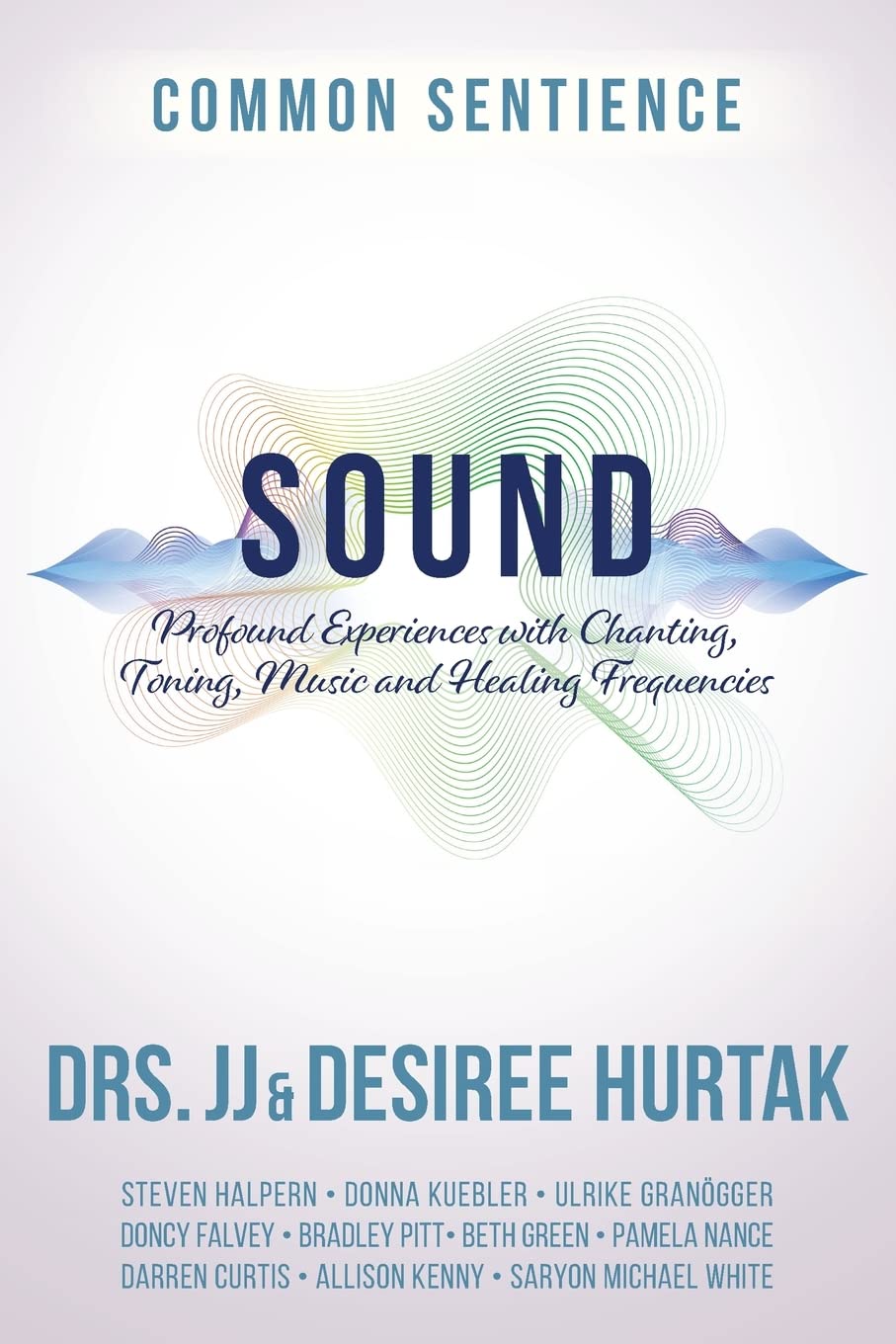
Sound: Profound Experiences with Chanting, Toning, Music, and Healing Frequencies – Dr. J. J. Hurtak & Dr. Desiree Hurtak
Dr. J. J. Hurtak and Dr. Desiree Hurtak explore sound, chanting, toning, music and so-called healing frequencies across cultural and spiritual traditions. The book approaches sound from an exploratory and consciousness-based perspective, making it particularly relevant to readers interested in the intersection of music, spirituality, wellbeing and alternative theories of frequency.

As an Amazon Associate, I earn from qualifying purchases.