

Genelec · Neumann · ADAM Audio · Focal · Dynaudio · Yamaha · JBL Professional · Pioneer · PreSonus · Avantone
Price Ranges · Nearfield vs Midfield · Active vs Passive · How to Choose · Monitoring Scenarios · Best Picks · Voice Loadouts · FAQ
Read the complete Studio Monitors Guide
Compare the best studio monitors for singers, musicians, producers and content creators, with options for accurate vocal monitoring, recording, mixing and music production in home and professional studios.
Studio monitor guides: Complete Guide · How to Choose · Best Models · Major Brands
Genelec Studio Monitors
Precision monitoring with controlled dispersion, room-calibration options and reliable mix translation.
Genelec 8040B
A professional reference monitor known for accuracy, controlled dispersion, and reliable mix translation.
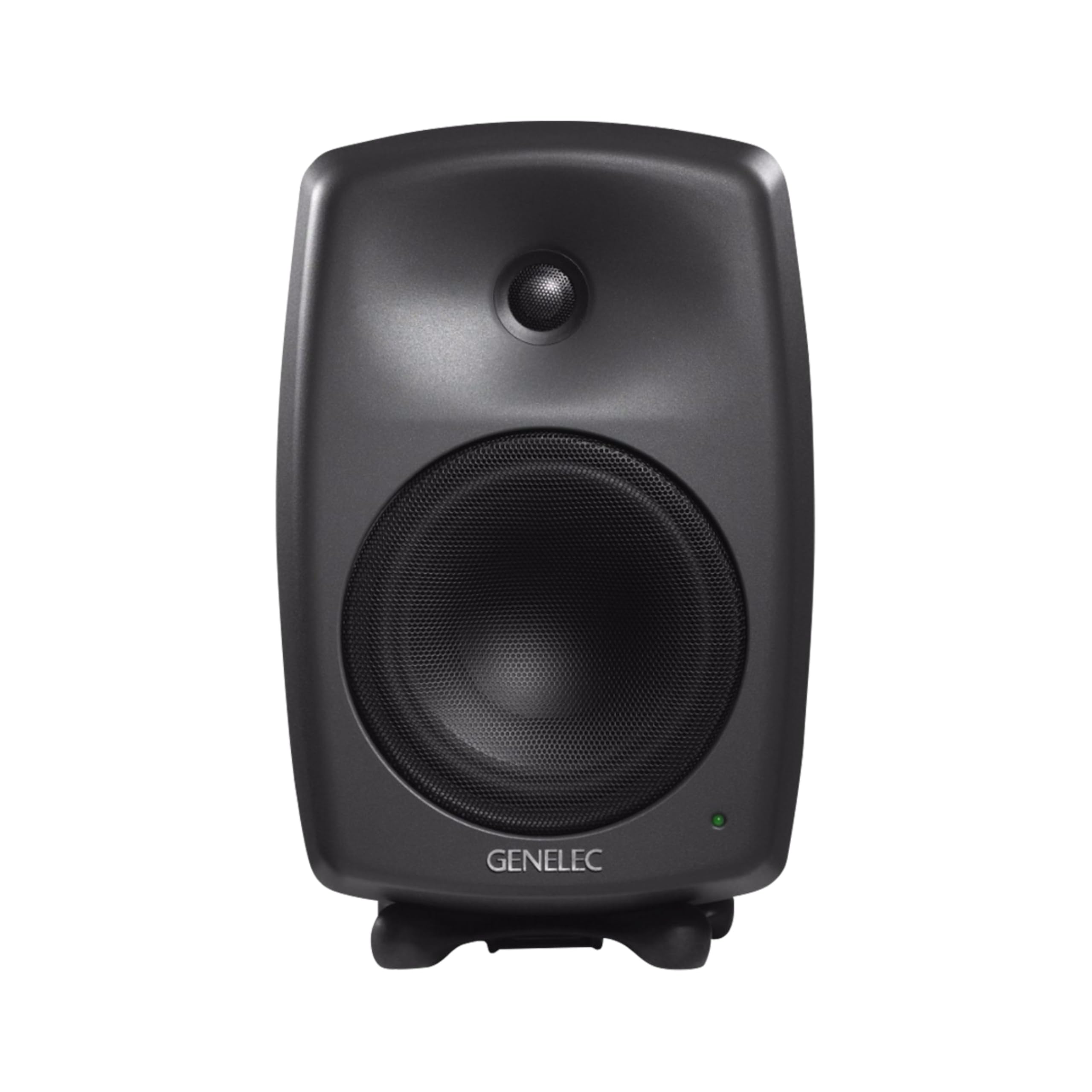
Genelec 8330A
A compact smart monitor with room calibration designed for accurate nearfield monitoring in smaller studios.
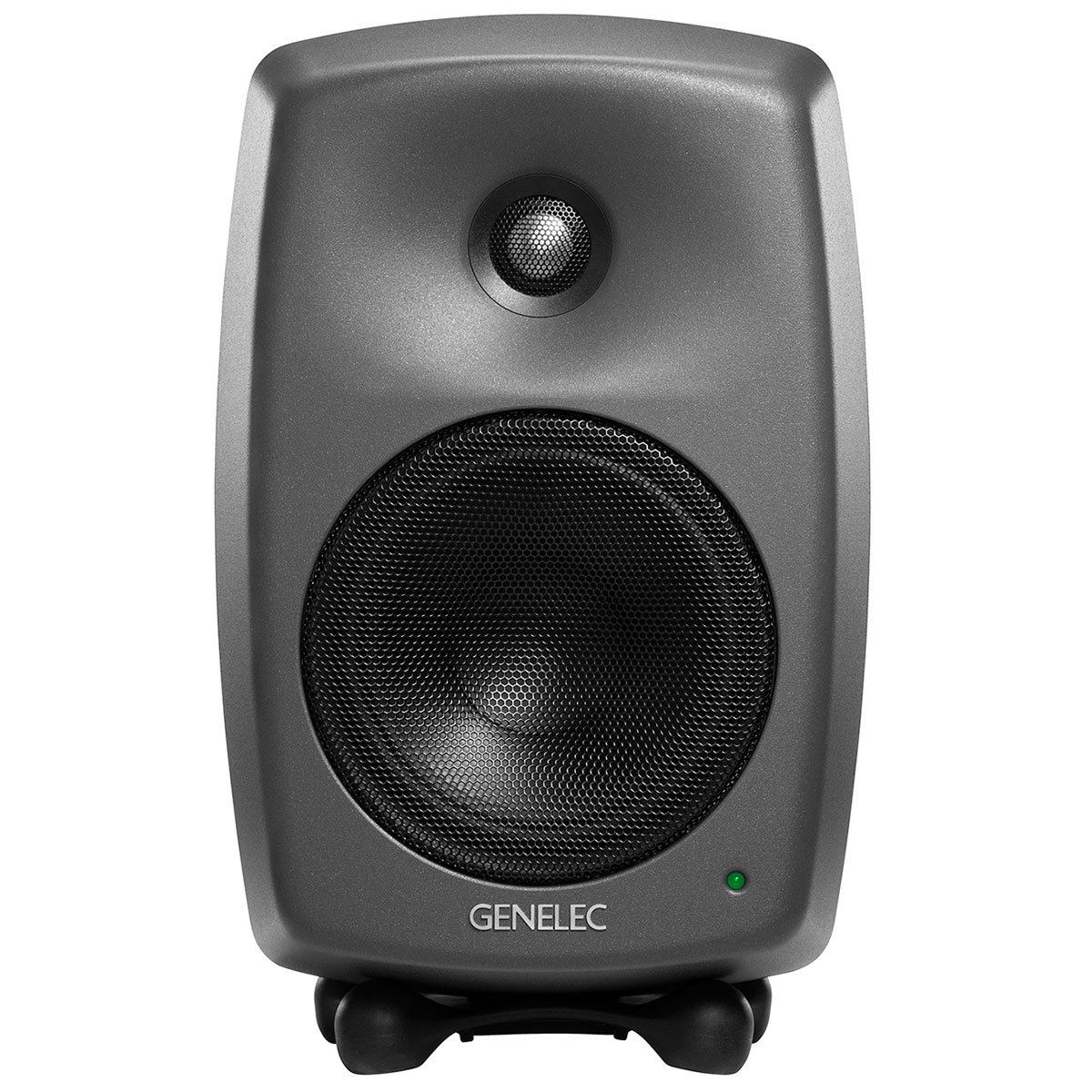
Genelec 8340A
A smart active monitor with room calibration designed for accurate nearfield and midfield monitoring.
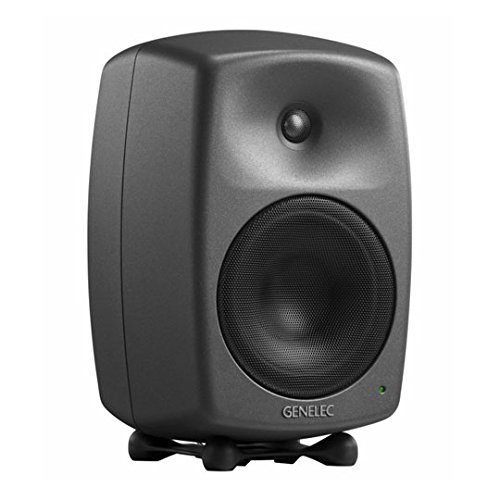
Genelec 8050B
A high-output reference monitor for professional studios requiring greater headroom and low-frequency extension.
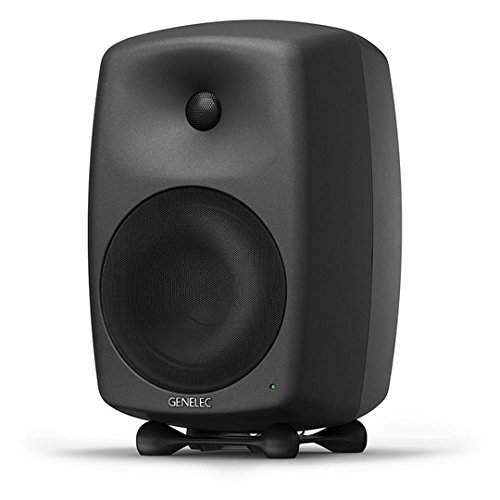
Genelec 8320A
A compact smart monitor delivering calibrated reference monitoring for smaller studios and desktop setups.
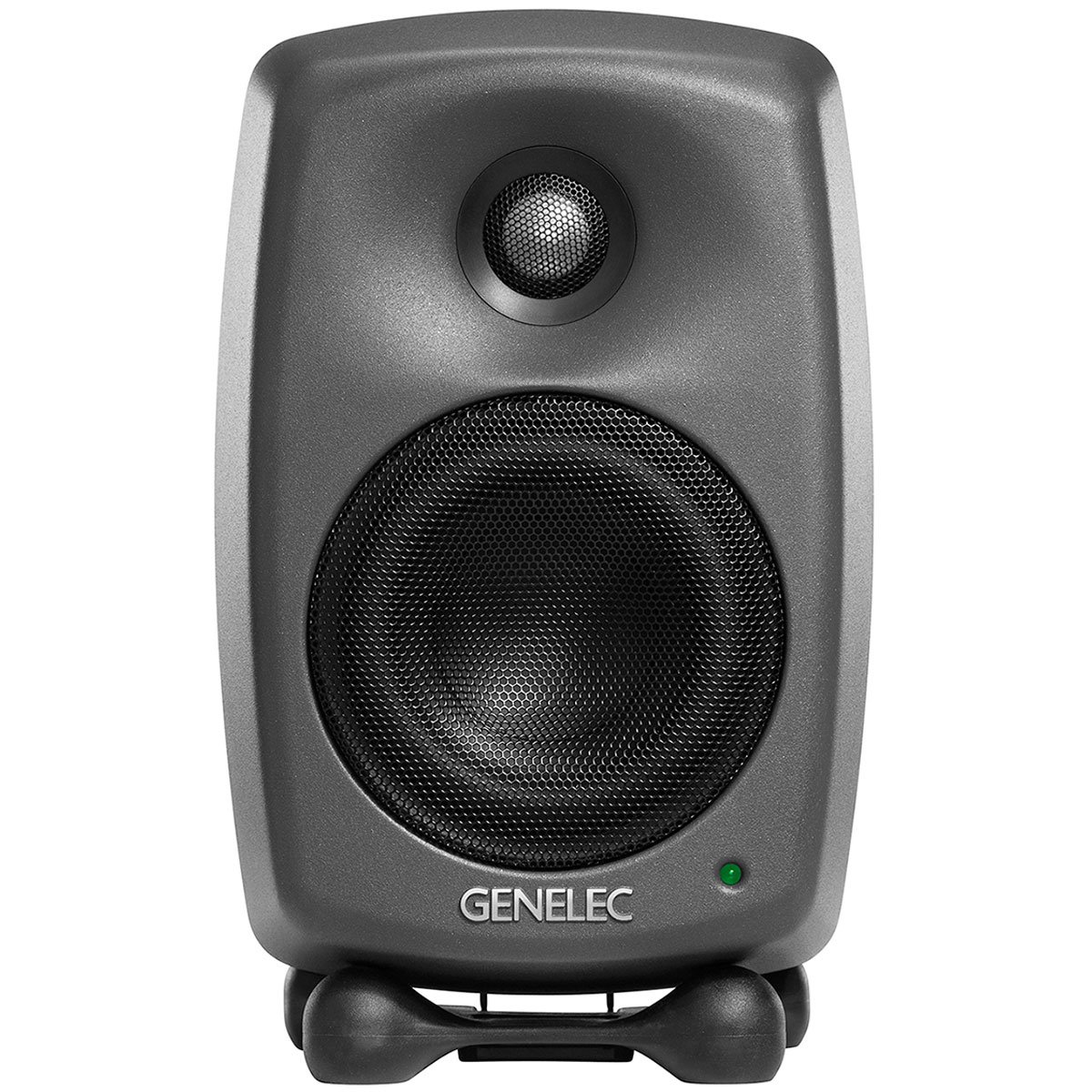
Neumann
Reference monitoring focused on vocal clarity, midrange precision and critical listening accuracy.
Neumann KH 80 DSP
A compact reference monitor delivering exceptional vocal clarity and accurate nearfield monitoring.
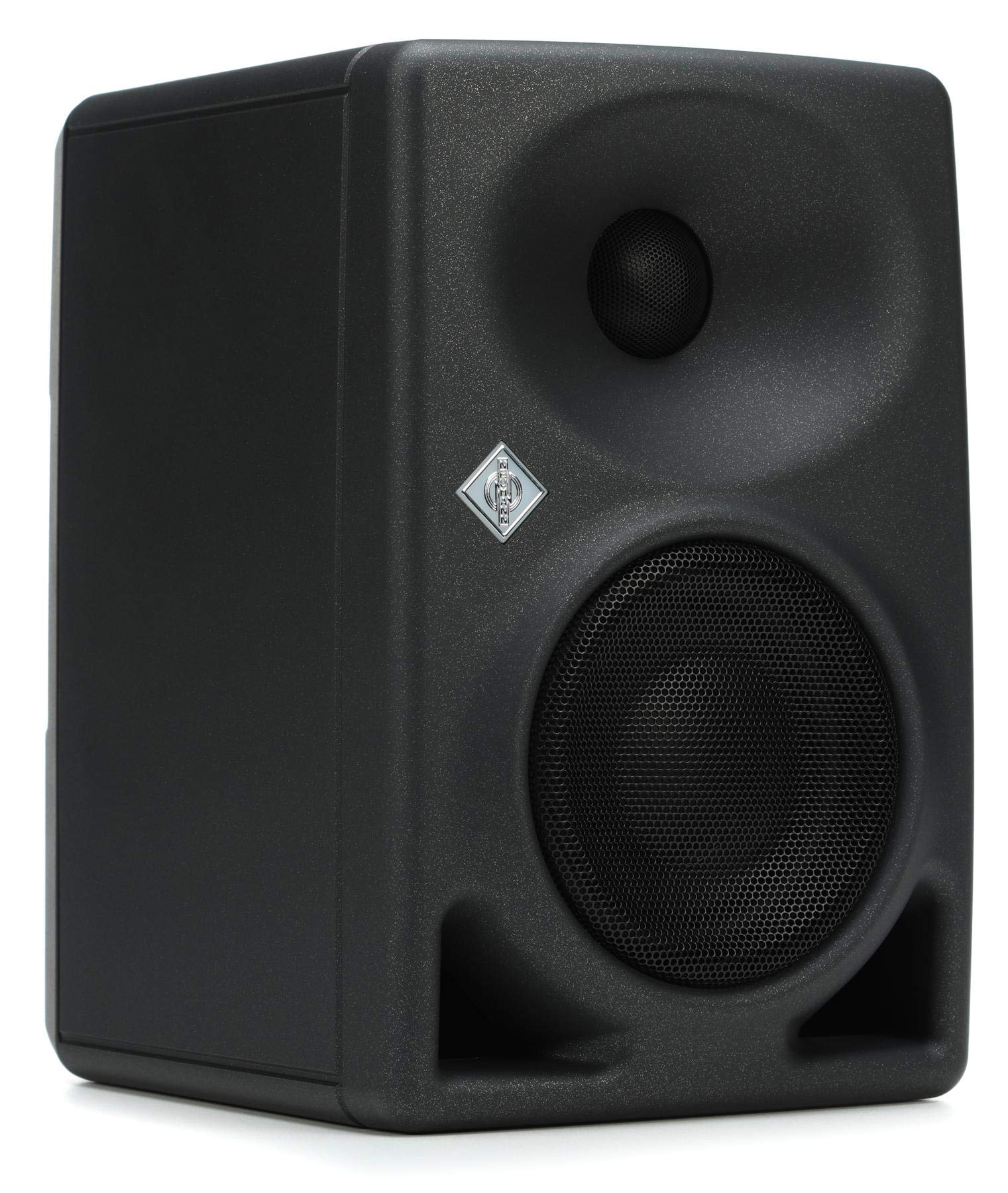
Neumann KH 310-A R
A professional three-way reference monitor known for exceptional midrange clarity and stereo imaging.

Neumann KH 80 DSP (White)
A compact DSP-controlled monitor offering accurate nearfield monitoring with integrated room correction.

ADAM Audio Studio Monitors
Detailed high frequencies, fast transient response and precise stereo imaging for modern production.
ADAM Audio T5V
A compact nearfield monitor combining detailed high frequencies with excellent value for home studios.
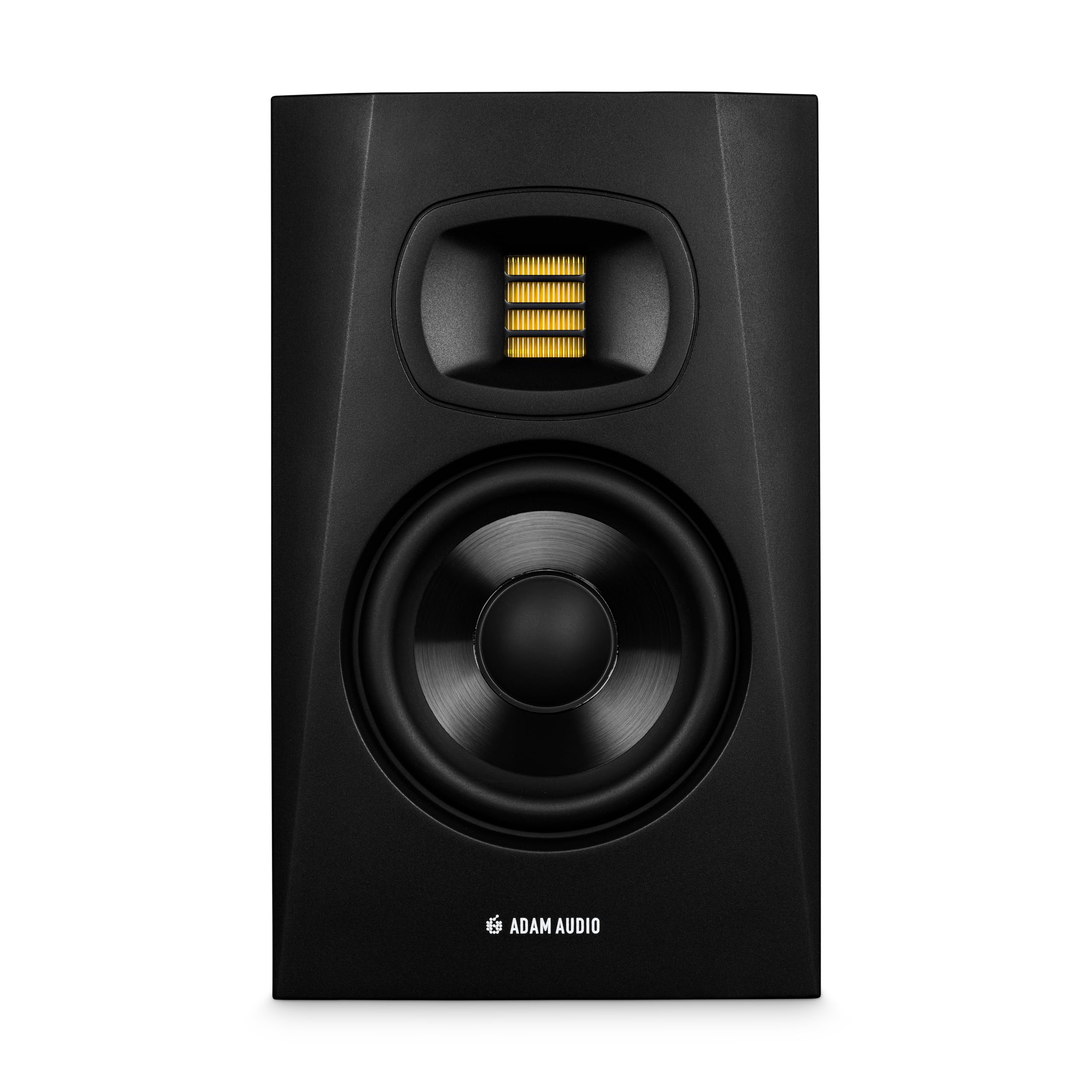

ADAM Audio D3V
A compact desktop monitor delivering detailed high frequencies and accurate nearfield listening.

ADAM Audio T8V
A full-size monitor offering extended bass response and higher output for larger rooms.

ADAM Audio A7V
A DSP-powered reference monitor designed for professional mixing, vocal production, and critical listening.

Yamaha Studio Monitors
Honest, dependable monitoring with strong midrange definition and reliable mix translation.
Yamaha HS5 (White)
A compact reference monitor known for midrange accuracy and honest nearfield monitoring.

Yamaha HS8 (Black)
A widely trusted reference monitor known for honest sound and strong mix translation.

Yamaha HS8 (White)
A full-range reference monitor offering extended low-frequency response and dependable mix translation.
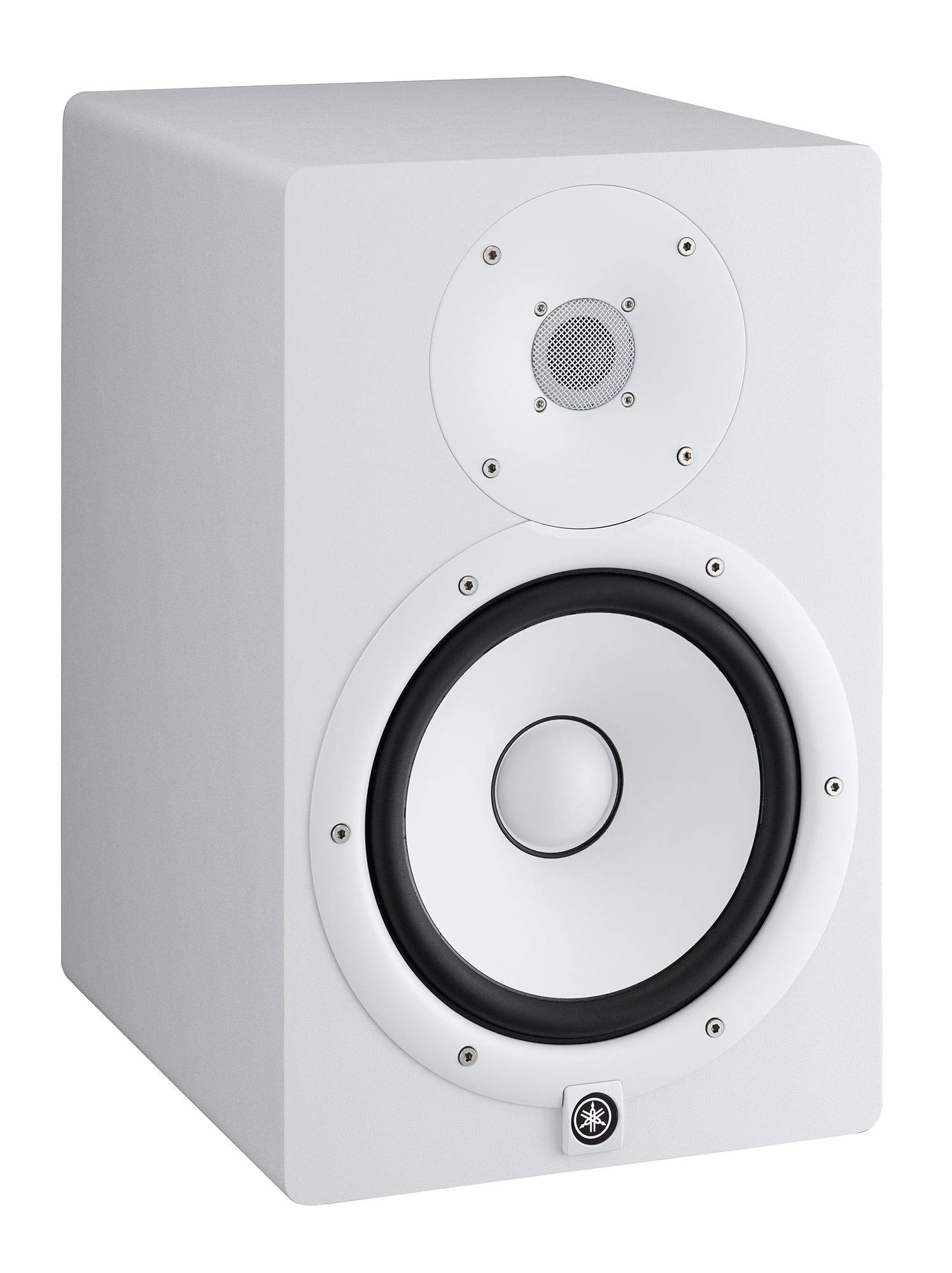
Yamaha HS4 (Black, Pair)
A compact desktop monitor designed for recording, editing, and small creative workspaces.

Focal Studio Monitors
Detailed reference monitoring combining analytical precision with a natural, engaging presentation.
Focal Alpha Twin Evo
A powerful 2.5-way monitor delivering excellent headroom, stereo imaging, and low-frequency extension.

Focal Alpha 80 Evo
An 8-inch active monitor offering powerful low-frequency performance and balanced studio monitoring.

Dynaudio Studio Monitors
Smooth, balanced monitoring designed for natural reproduction and comfortable long-session listening.
Dynaudio LYD 5
A compact reference monitor valued for smooth response and natural vocal reproduction.

Dynaudio PRO LYD 48
A three-way reference monitor designed for professional production, mixing, and critical listening.

JBL Professional Studio Monitors
Powerful nearfield monitoring with wide stereo imaging for recording, mixing and production.
JBL Control One Rugged
A compact passive monitor used for secondary monitoring, editing, and utility listening applications.

JBL 308P MKII
An 8-inch active monitor offering powerful output and wide stereo imaging for medium-sized studios.

JBL 305P MKII
A popular nearfield monitor offering wide stereo imaging and excellent value for home studios.

JBL 305P MKII (Pair)
A matched stereo pair providing accurate nearfield monitoring and excellent value for home studios.

JBL Control 1 Pro (Pair)
A compact passive monitor suitable for reference listening, editing, and flexible studio placement.

Pioneer Studio Monitors
Practical, accessible monitoring for DJs, home producers and desktop production setups.
Pioneer DJ DM-40D-BT Active Studio Monitors (Pair)
Compact Bluetooth-enabled monitors designed for DJs, creators, and desktop production setups.

Pioneer DJ DM-40D Active Studio Monitors (Pair)
Compact active monitors offering practical monitoring for DJs, beginners, and home producers.

Pioneer DJ DM-40 Active Studio Monitors (Pair)
An affordable entry-level monitor pair for everyday music production and DJ practice.

Pioneer DJ DM-50D-BT Studio Monitors
Compact 5-inch monitors delivering greater low-frequency weight for small to medium-sized studios.

PreSonus Studio Monitors
Accessible nearfield monitoring for home studios, recording, editing and content creation.
PreSonus Eris 3.5 Gen 2 Active Studio Monitors (Pair)
Compact active monitors designed for desktop production, editing, and content creation.

PreSonus Eris Studio 5 Active Studio Monitor
A balanced nearfield monitor offering accurate stereo imaging and reliable mix translation.

PreSonus Eris 3.5BT (2nd Gen) Active Studio Monitors with Bluetooth (Pair)
Compact Bluetooth-enabled monitors suitable for small studios and flexible desktop setups.

PreSonus Eris E7 XT Active Studio Monitor
A larger nearfield monitor providing extended bass response and controlled dispersion.

Avantone Studio Monitors
Midrange-focused secondary references for checking vocal balance and real-world mix translation.
Avantone Full Range Studio Reference Monitor (Mono)
A single-driver reference monitor used for translation checks and critical midrange evaluation.

Avantone Pro CLA-10 Passive Studio Monitors (Pair)
Passive reference monitors widely used for mix translation and balance assessment.

Avantone Full Range Study Reference Monitor
A midrange-focused monitor designed to complement primary monitoring systems.

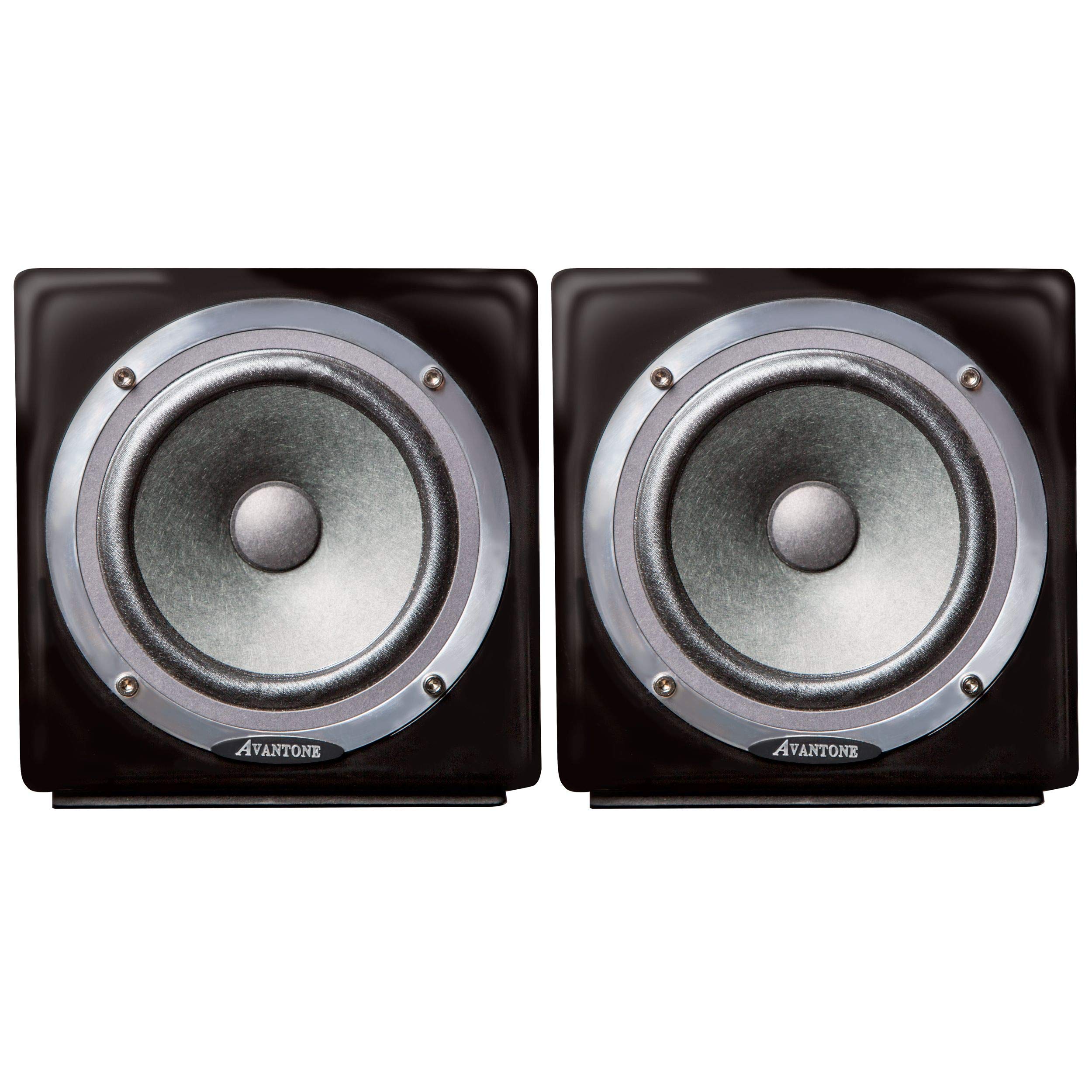
Avantone MixCube Active Black (Pair)
A secondary reference monitor used to check vocal balance, translation, and midrange clarity.
Studio Monitor Price Ranges
| Budget range | What you can realistically expect | Typical use cases | Trusted brands at this level |
|---|---|---|---|
| £80–£150 | Entry-level active monitors with limited low-frequency extension and modest room control. Suitable for basic balance checks but not critical mixing decisions. | Beginners, practice rooms, songwriting, basic vocal monitoring | Presonus, Mackie, Behringer, M-Audio |
| £150–£300 | Clear midrange focus with improved consistency and stereo imaging. Bass remains limited but translation improves significantly. | Home studios, vocal practice, content creation, online teaching | Yamaha, JBL, Kali Audio, KRK, Avantone |
| £300–£600 | Noticeably better transient response, tonal balance, and listening comfort. Suitable for serious editing and mix decisions in small to medium rooms. | Dedicated home studios, vocal production, semi-professional mixing | Focal, Adam Audio, Genelec, Kali Audio, Avantone |
| £600–£1,200 | Professional-grade accuracy with controlled dispersion and reduced listening fatigue. Benefits from basic acoustic treatment and correct placement. | Professional studios, broadcast, voice-over, classical and acoustic work | Neumann, Genelec, Focal, Adam Audio, PMC |
| £1,200+ | Reference-level monitoring with exceptional resolution, depth, and translation. Highly revealing systems that reward precise room setup. | Mastering rooms, commercial studios, classical production, critical listening | PMC, ATC, Neumann, Genelec |
Nearfield vs Midfield Studio Monitors
| Feature | Nearfield Monitors | Midfield Monitors |
|---|---|---|
| Listening distance | 0.8–1.5 m | 1.5–3 m |
| Room size | Small to medium rooms | Medium to large rooms |
| Typical woofer size | 4–8 inches | 8–12 inches |
| Primary use | Close-up mixing, vocal work | Full-range balance, spatial imaging |
| Placement | Desk or stands | Freestanding or soffit-style |
Active vs Passive Studio Monitors – At a Glance
| Aspect | Active Studio Monitors | Passive Studio Monitors | Practical Consideration |
|---|---|---|---|
| Operating principle | Built-in power amplification matched to each driver | Require an external power amplifier | Active systems are optimised at the factory; passive systems depend heavily on amp matching |
| System integration | Amplifier, crossover, and drivers designed as a single system | Amplifier and crossover external to the speaker cabinet | Active monitors reduce setup variables and user error |
| Accuracy & consistency | Highly consistent performance between units | Performance varies depending on amplifier quality | Active monitors provide predictable results across studios and locations |
| Room interaction | Often include onboard EQ or room-tuning controls | No onboard room correction | Active monitors adapt more easily to small or imperfect rooms |
| Detail & transient response | Fast, controlled transients with tight driver control | Dependent on amplifier damping and power delivery | Active designs typically deliver clearer transient accuracy for vocals |
| Handling dynamic material | Excellent headroom within designed limits | Headroom depends on amplifier power and quality | Active systems protect drivers from misuse more effectively |
| Durability & reliability | Modern designs are robust but electronically complex | Fewer internal electronics inside the speaker cabinet | Passive systems are simpler but rely on external components |
| Setup complexity | Simple plug-and-play operation | Requires amp selection, cabling, and level matching | Active monitors are ideal for home studios and mobile setups |
| When this option makes sense | Home studios, professional recording, vocal work | Large studios, hi-fi crossover users, custom systems | For most vocalists and creators, active monitors are the sensible choice |
How to Choose the Right Studio Monitor
| Monitoring Goal | Recommended Monitor Type | Why It Makes Sense | Typical Use Case |
|---|---|---|---|
| Vocal practice & lessons | Compact active nearfield monitors (4–5" woofer) | Clear midrange detail at low volumes without overwhelming the room. | Daily vocal work, warm-ups, online teaching |
| Pop & contemporary production | Active nearfield monitors with extended top-end clarity | Reveals presence, articulation, and brightness decisions accurately. | Song production, demos, commercial pop vocals |
| Classical & operatic voice | Neutral reference monitors with flat frequency response | Preserves natural timbre, dynamics, and vocal colour without hype. | Art song, opera arias, recital playback |
| Untreated home studios | Front-ported or sealed nearfield monitors | Reduces bass buildup and room interaction in small spaces. | Bedrooms, compact home studios |
| Voice-over & spoken word | Midrange-focused nearfield monitors | Highlights articulation, sibilance, and tonal balance clearly. | Audiobooks, narration, educational content |
| Podcasting & dialogue editing | Compact reference monitors with controlled low end | Prevents bass exaggeration while keeping speech intelligibility accurate. | Podcasts, interviews, broadcast dialogue |
| Ensemble & ambient listening | Larger nearfield or midfield monitors | Improved spatial depth, stereo imaging, and room realism. | Choirs, ensemble playback, hall recordings |
| Professional studio work | Reference-grade monitors with calibration options | Reliable translation across systems with high dynamic accuracy. | Commercial studios, broadcast, mastering rooms |
Find Your Studio Monitor by Monitoring Scenario
| Use Case | Recommended Monitor Types / Examples | Notes |
|---|---|---|
| Classical / Operatic Voice (Studio) | Genelec 8030 / 8040, Neumann KH 120 / KH 150, PMC Result6 | Neutral tonality, stable dynamics, and honest midrange without hyped presence |
| Pop / Contemporary Production | ADAM A7V, Focal Alpha Evo, Yamaha HS7 / HS8 | Clear transient response and presence region definition for modern mixes |
| Home Studios (No Acoustic Treatment) | Genelec SAM series, Neumann KH series, compact front-ported monitors | Controlled low end and room adaptation reduce acoustic problems |
| Podcast / Speech-Focused Work | Neumann KH 80 DSP, Genelec 8320, PreSonus Eris series | Midrange clarity prioritised over bass extension for intelligibility |
| Voice-Over / Audiobook | Neumann KH 120, PMC Result6, Genelec 8030 | Consistent tonal balance and fatigue-free long-session monitoring |
| Budget-Conscious Entry Level | PreSonus Eris, JBL 305P MkII, Yamaha HS5 | Reliable reference sound without exaggerated bass or coloration |
| Secondary / Translation Check | Avantone MixCube, small passive or compact active monitors | Highlights midrange balance and real-world playback translation |
| Large Rooms / Ensembles / Spatial Work | PMC, Genelec 8040+, Focal Twin series | Improved depth, stereo image, and low-frequency authority |
| Mobile Production / Desktop Setups | Genelec 8010 / 8020, Neumann KH 80 DSP, compact 4–5" monitors | Small footprint with accurate nearfield response at low volumes |
Best Studio Monitor Based on Your Monitoring Goal
| Your Condition | Best Pick | Why |
|---|---|---|
| I want absolute reference accuracy | Genelec 8040 / Neumann KH 150 | Flat, neutral response with excellent translation across systems |
| I want premium clarity but lower cost | Neumann KH 120 or Genelec 8030 | Reference-grade midrange and imaging without flagship pricing |
| My room is not acoustically treated | Genelec SAM series or Neumann KH DSP models | Room calibration and controlled dispersion reduce acoustic problems |
| I mainly work with vocals and speech | Neumann KH 80 DSP or PMC Result6 | Midrange precision and intelligibility prioritised over hype |
| I produce pop or contemporary music | ADAM A7V or Focal Alpha Evo | Fast transients and presence detail help shape modern mixes |
| I need cinematic depth and spatial realism | PMC monitors or larger Genelec systems | Depth, scale, and low-frequency control for immersive work |
| I want reliable results under £300 | Yamaha HS5 or JBL 305P MkII | Honest entry-level monitoring without exaggerated bass |
| I need a compact desktop solution | Genelec 8010 / 8020 or PreSonus Eris 3.5 | Small footprint with controlled nearfield response |
| I want to check mix translation | Avantone MixCube (secondary reference) | Midrange-focused playback reveals balance and vocal placement issues |
Recommended Neutral Monitoring Setups by Voice Type
These monitoring recommendations prioritise tonal neutrality, midrange clarity, and reliable translation for voice-led work. All setups assume correct speaker placement, moderate listening levels, and minimal room coloration rather than exaggerated bass or brightness.
| Voice Type | Monitoring Priority | Example Neutral Studio Monitors | Placement Guidance | Listening Notes |
|---|---|---|---|---|
| Soprano | Clean upper mids with controlled brilliance | Neumann KH 120, Genelec 8030 | Tweeters at ear height, 1–1.2 m listening triangle | Avoid hyped HF; monitor vocal sheen at moderate SPL |
| Mezzo-Soprano | Balanced midrange with smooth top end | Genelec 8040, PMC Result6 | Slight toe-in; maintain symmetrical side reflections | Focus on vowel consistency and midrange balance |
| Tenor | Neutral presence with controlled 2–5 kHz region | Neumann KH 80 DSP, Genelec 8320A | Nearfield placement; DSP calibration recommended | Check brilliance without edge or glare |
| Baritone | Open mids without low-mid congestion | PMC Result6, Focal Alpha Evo | Monitor distance 1–1.4 m; avoid desk reflections | Watch low-mid build-up around 150–300 Hz |
| Pop Belter | Fast transient response with headroom | ADAM A7V, Genelec 8040 | Stable stands; moderate SPL to avoid ear fatigue | Check compression behaviour and vocal bite |
| ASMR / Whisper Voice | Ultra-low noise perception and fine detail | Neumann KH 80 DSP, Genelec 8020 | Close nearfield; low listening levels | Listen for breath noise, micro-dynamics, and texture |
FAQ – Studio Monitors
Which studio monitors are best for vocal work and singing practice? For voice-focused work, prioritise midrange clarity and tonal neutrality. Neumann KH, Genelec and similar reference monitors are strong choices because they reveal pitch, vowels and vocal balance without flattering the sound.
What are the best studio monitors for beginners or home studios? Yamaha HS5, JBL 305P MkII and PreSonus Eris models are practical starting points, offering reliable nearfield monitoring without excessive low-end emphasis.
Do I need studio monitors if I already use headphones? Headphones are excellent for detail, but monitors reveal stereo balance, room interaction and how recordings translate to speakers. For recording or evaluating vocals, using both is preferable.
Which studio monitors work best in untreated rooms? Smaller nearfield monitors with controlled dispersion are generally easier to manage in untreated spaces. Models with room calibration, including Genelec SAM and Neumann KH DSP systems, can provide additional control.
What is the difference between nearfield and midfield monitors? Nearfield monitors are designed for close listening and reduce the influence of the room, making them well suited to home studios. Midfield monitors operate at greater distances and generally suit larger, acoustically treated spaces.
Are larger studio monitors always better? No. Larger monitors can create excessive low-frequency problems in small rooms. A well-positioned pair of quality nearfield monitors can provide more useful results than larger speakers in an unsuitable space.
How loud should I listen when using studio monitors? Moderate listening levels are best for most decisions. Excessive volume increases listening fatigue and can make tonal and balance judgements less reliable.
Do studio monitors require special setup? Correct height, listening distance, toe-in and symmetrical placement are important. Good positioning and basic acoustic treatment usually matter more than expensive cables or accessories.
As an Amazon Associate, I earn from qualifying purchases. Product details, pricing, and safety information are provided directly by Amazon.
© All content on this page is original, written with professional care, and protected under copyright law. Reproduction, duplication, or AI-generated imitation is not permitted.
