

Classical Breathing & Appoggio · Scientific & Physical Training · Mindfulness & Relaxation · Performance & Daily Exercises · Breathing Tools & Devices · FAQ
Improve your breath control, vocal support and stamina with books covering classical appoggio, respiratory training, CO₂ tolerance, breathing coordination and practical exercises for longer phrases and more efficient singing. This selection combines traditional vocal methods with modern approaches to breathing science, relaxation and respiratory conditioning.
You can also explore my Breathing Training Tools page for resistance trainers, airflow devices and other practical breathing resources.
Classical Breathing & Appoggio
Bel canto principles, posture, breath support and efficient airflow
Explore classical approaches to breathing, appoggio, posture and respiratory coordination for singers. These books focus on efficient breath management, physical awareness and the coordination required for sustained vocal performance.
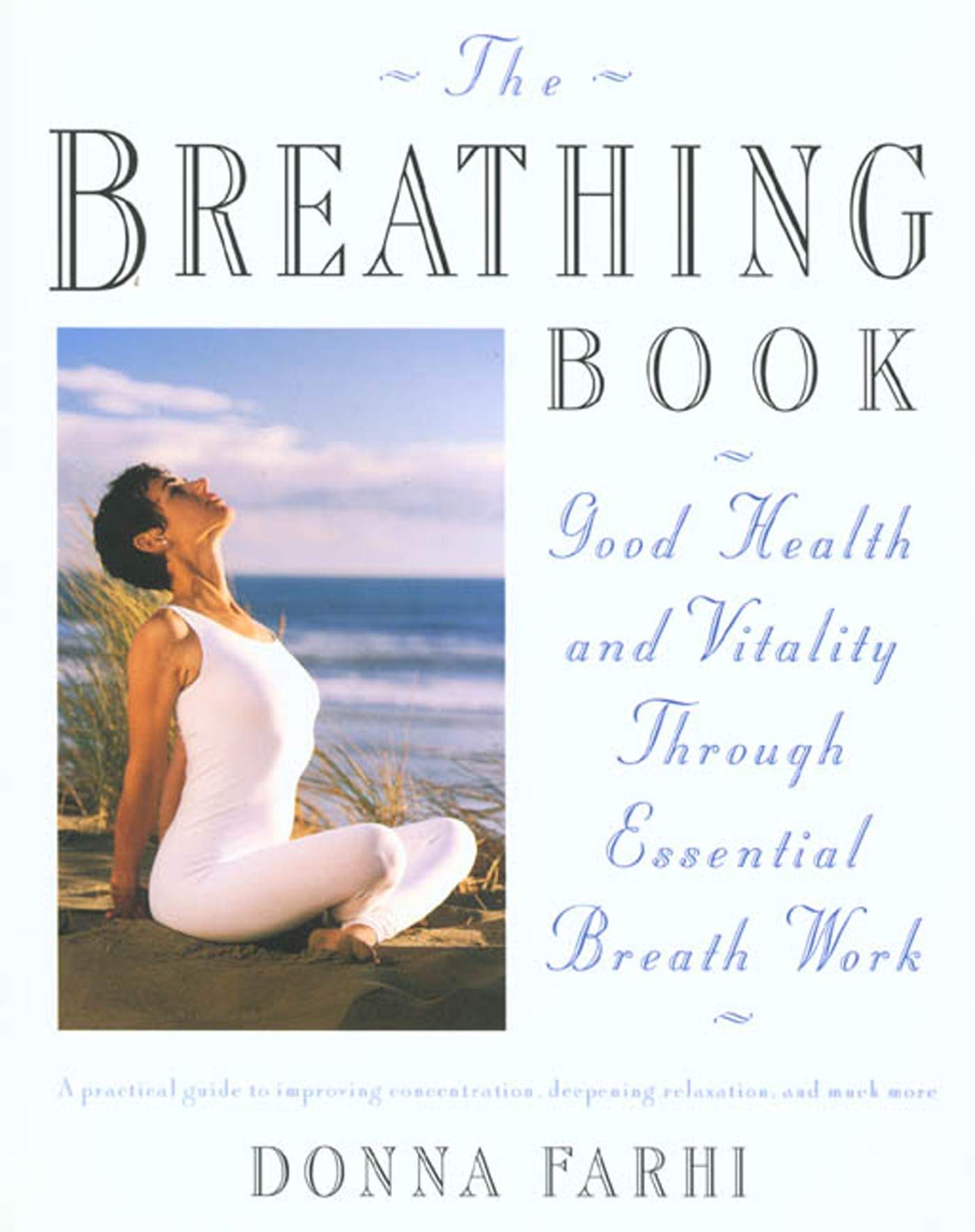
The Breathing Book — Donna Farhi
Best for: natural breath coordination and body awareness
Why buy: a body-based approach to efficient breathing without unnecessary force
A practical guide to breath mechanics, postural alignment and functional movement, with exercises exploring rib expansion, spinal release and diaphragmatic coordination.
Vocal Yoga — Heather Lyle
Best for: singers working with physical tension
Why buy: combines movement, release and breathing coordination
Heather Lyle combines vocal training with yoga-inspired movement, exploring rib mobility, posture, intercostal release and breath coordination through practical exercises.

Scientific & Physical Training
Respiratory efficiency, CO₂ tolerance, stamina and endurance training
These books explore modern approaches to breathing mechanics, respiratory training and performance, including nasal breathing, breath-hold exercises, respiratory awareness and controlled breathing techniques.
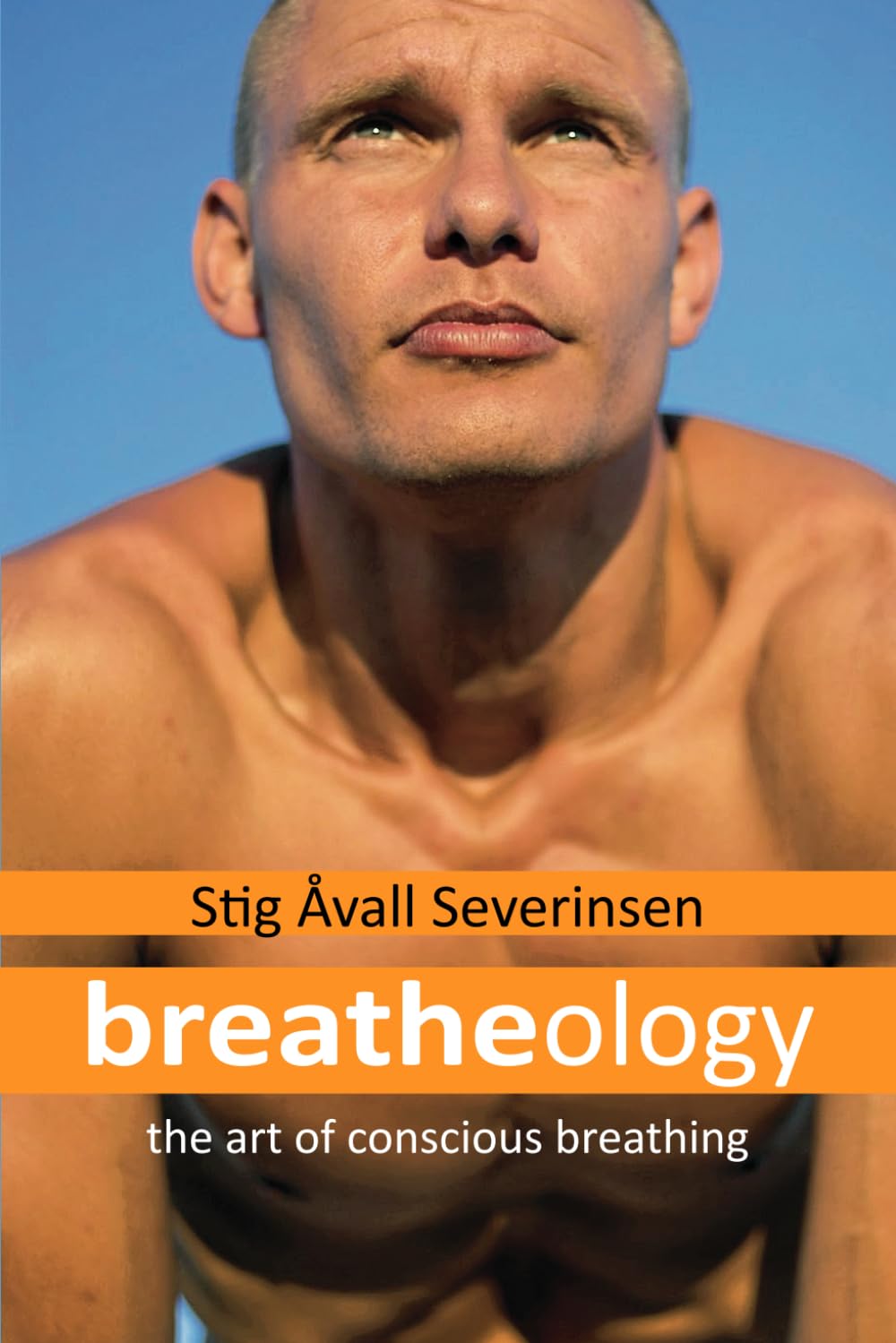
Breatheology — Stig Åvall Severinsen
Best for: endurance and performance breathing
Why buy: a structured approach to breath-hold and respiratory training
World champion freediver Stig Åvall Severinsen explores breathing mechanics, CO₂ tolerance, breath-hold training and respiratory control through structured exercises.
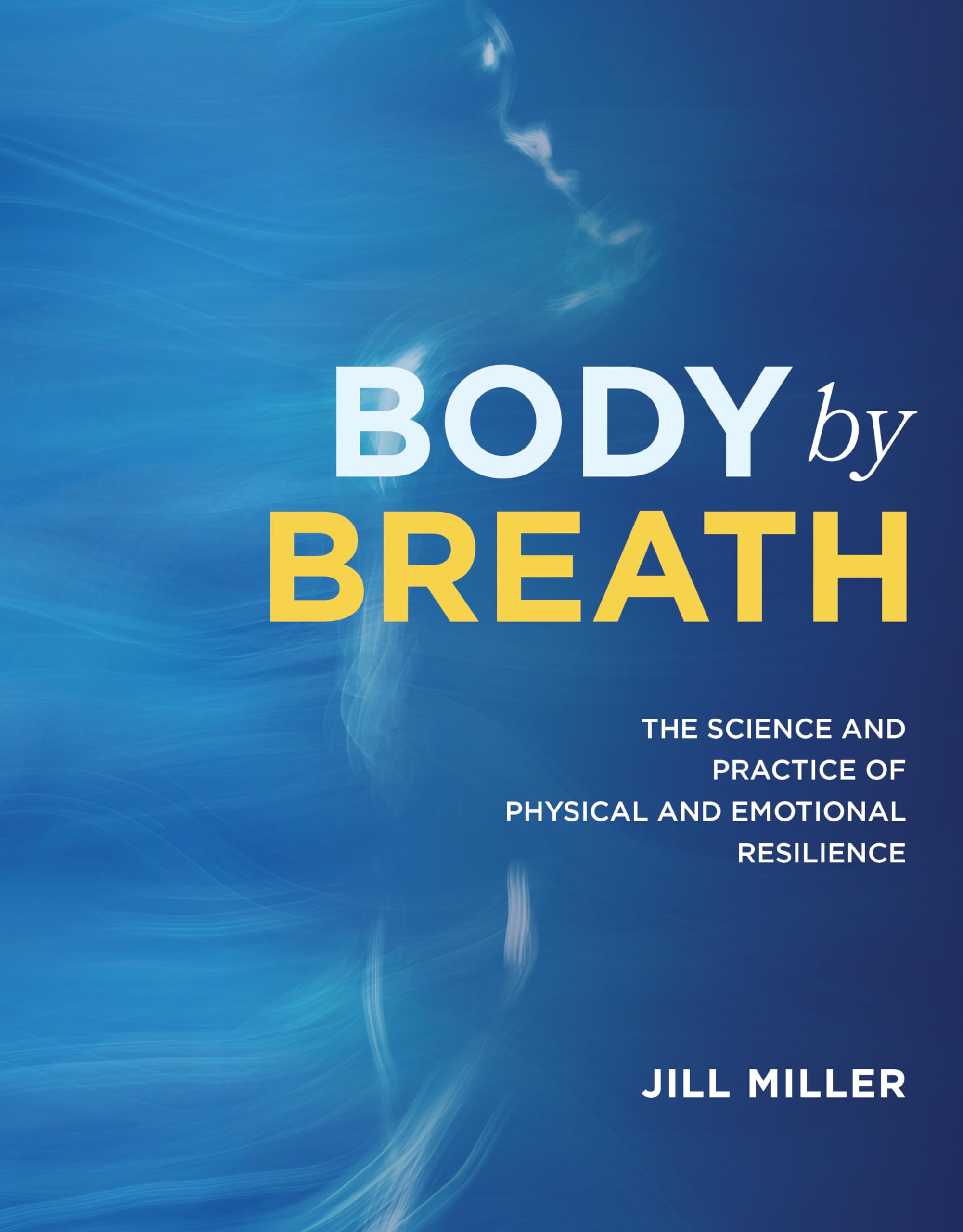
Body by Breath — Jill Miller
Best for: full-body breath integration
Why buy: an extensive system combining breathing, movement and body awareness
Jill Miller combines respiratory science, posture, movement and soft-tissue work in a detailed collection of practical breathing exercises and routines.
The Oxygen Advantage — Patrick McKeown
Best for: breathing efficiency and performance
Why buy: practical training centred on nasal breathing and CO₂ tolerance
Patrick McKeown explores nasal breathing, respiratory efficiency and CO₂ tolerance through exercises designed to develop more controlled breathing habits.

Breath: The New Science of a Lost Art — James Nestor
Best for: understanding breathing science
Why buy: an accessible exploration of respiratory habits, history and research
James Nestor combines scientific research, historical practices and personal investigation to explore nasal breathing, respiratory habits and the wider significance of how we breathe.


The Wim Hof Method — Wim Hof
Best for: resilience, focus and breathwork
Why buy: combines structured breathing, cold exposure and mental discipline
Wim Hof presents his approach to controlled breathing, cold exposure and mental focus, with practical techniques for developing awareness and resilience.

Mindfulness & Creative Breath
Breath awareness, relaxation, emotional grounding and mental focus
These books explore mindful and restorative approaches to breathing, with an emphasis on awareness, relaxation, concentration and composure during everyday life and performance.
The Breathing Cure — Patrick McKeown
Best for: everyday breathing habits
Why buy: practical exercises for calmer, more controlled breathing
Patrick McKeown presents breathing exercises and daily routines centred on nasal breathing, breath pacing, relaxation and respiratory awareness.

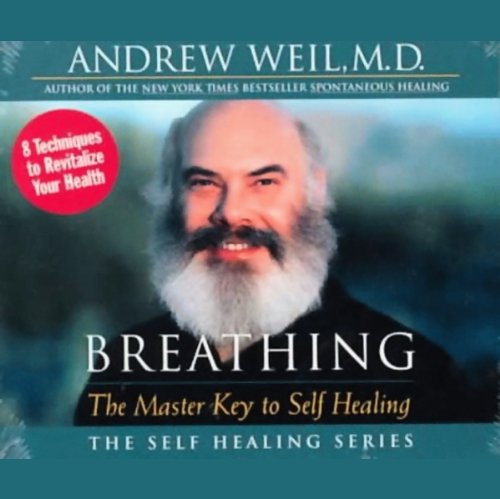
Breathing: The Master Key to Self-Healing — Andrew Weil
Best for: relaxation and mindful breathing
Why buy: accessible breathing sequences for regular practice
Andrew Weil introduces gentle breathing techniques focused on rhythm, controlled exhalation, relaxation and greater awareness of everyday breathing patterns.
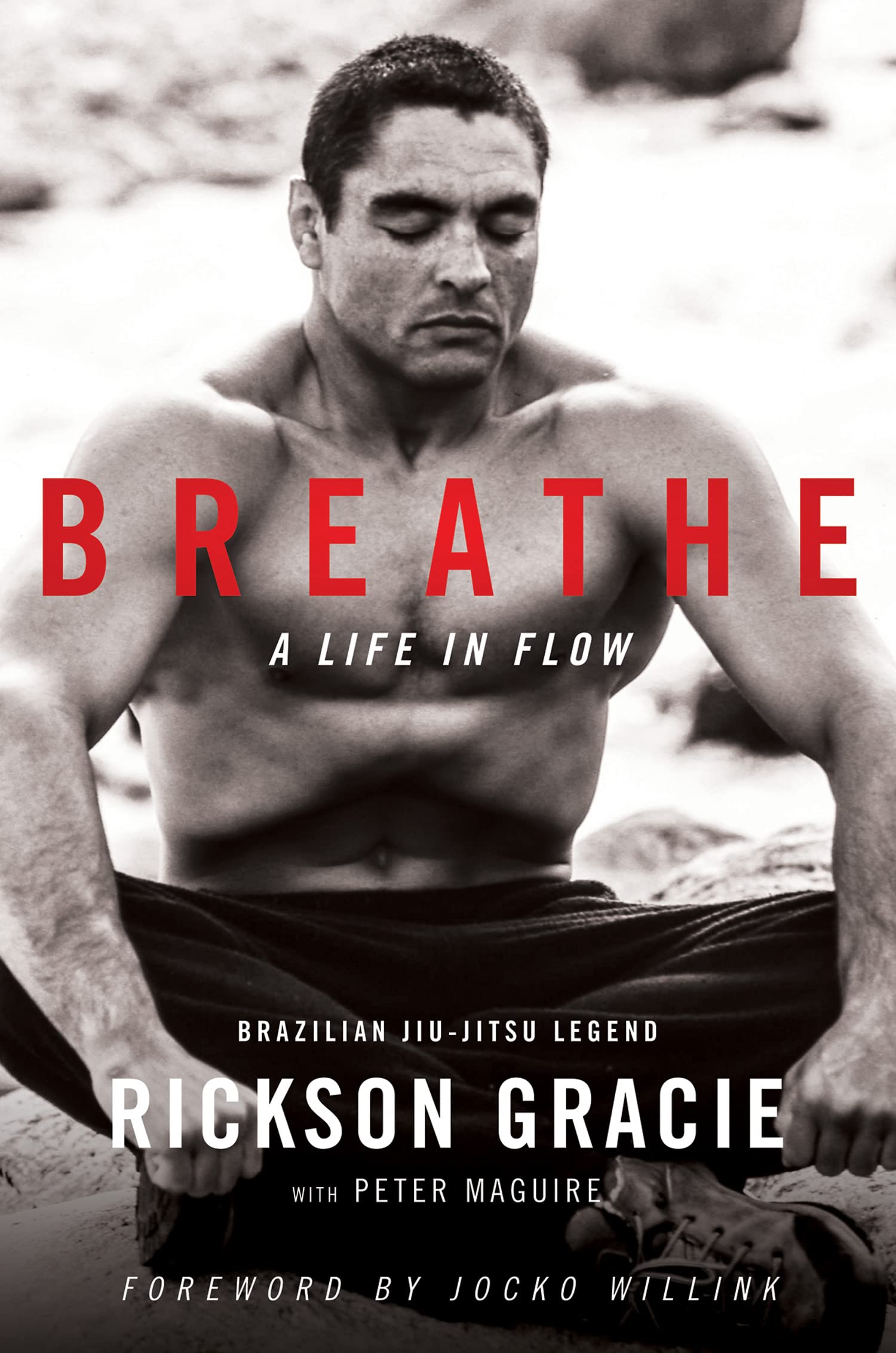
Breathe: A Life in Flow — Rickson Gracie
Best for: mental focus and discipline
Why buy: connects breathing awareness with composure and performance mindset
Rickson Gracie explores breathing, concentration, discipline and emotional control through lessons drawn from elite martial arts, meditation and personal experience.
21 Yaks and a Speedo — Lewis Pugh
Best for: resilience and mental strength
Why buy: real-world lessons in composure and endurance under extreme conditions
Lewis Pugh draws on extreme swimming and exploration to examine the relationship between breathing, concentration, perseverance and performance under pressure.

Performance & Daily Exercises
Practical stage breathing, phrase stamina and vocal application
These books connect breathing with vocal performance, preparation and long-term development, covering practical applications for singers, actors, speakers and other professional voice users.
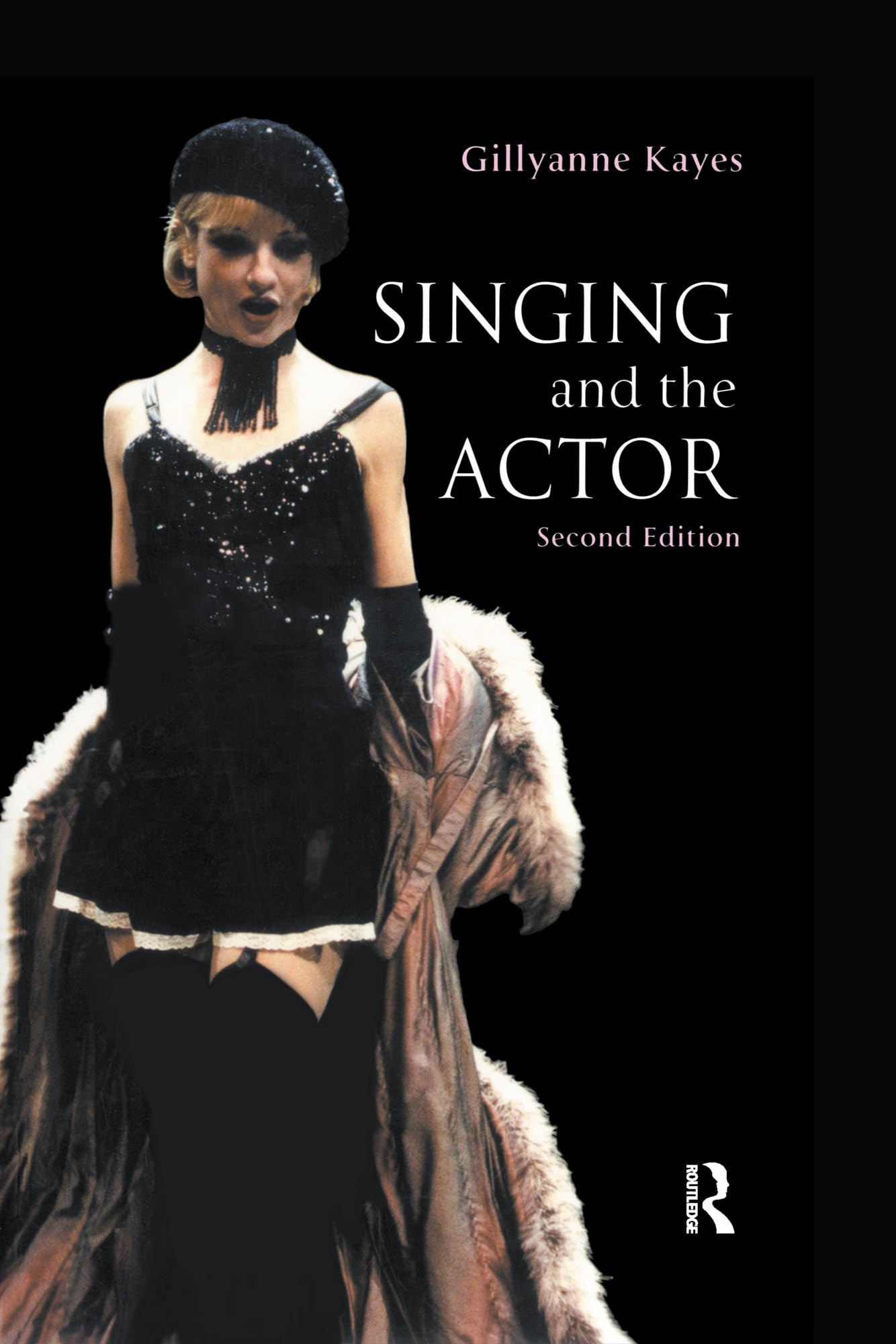
Singing and the Actor — Gillyanne Kayes
Best for: musical theatre and stage performers
Why buy: connects breathing and vocal technique with live performance
Gillyanne Kayes combines breathing, vocal coordination, posture and expressive performance through exercises designed for rehearsal and stage work.
The Evolving Singing Voice: Changes Across the Lifespan — Karen Brunssen
Best for: teachers and long-term vocal development
Why buy: examines breathing and vocal coordination across the lifespan
Karen Brunssen examines how breathing, vocal coordination, stamina, posture and phonation develop and change from childhood through older adulthood.

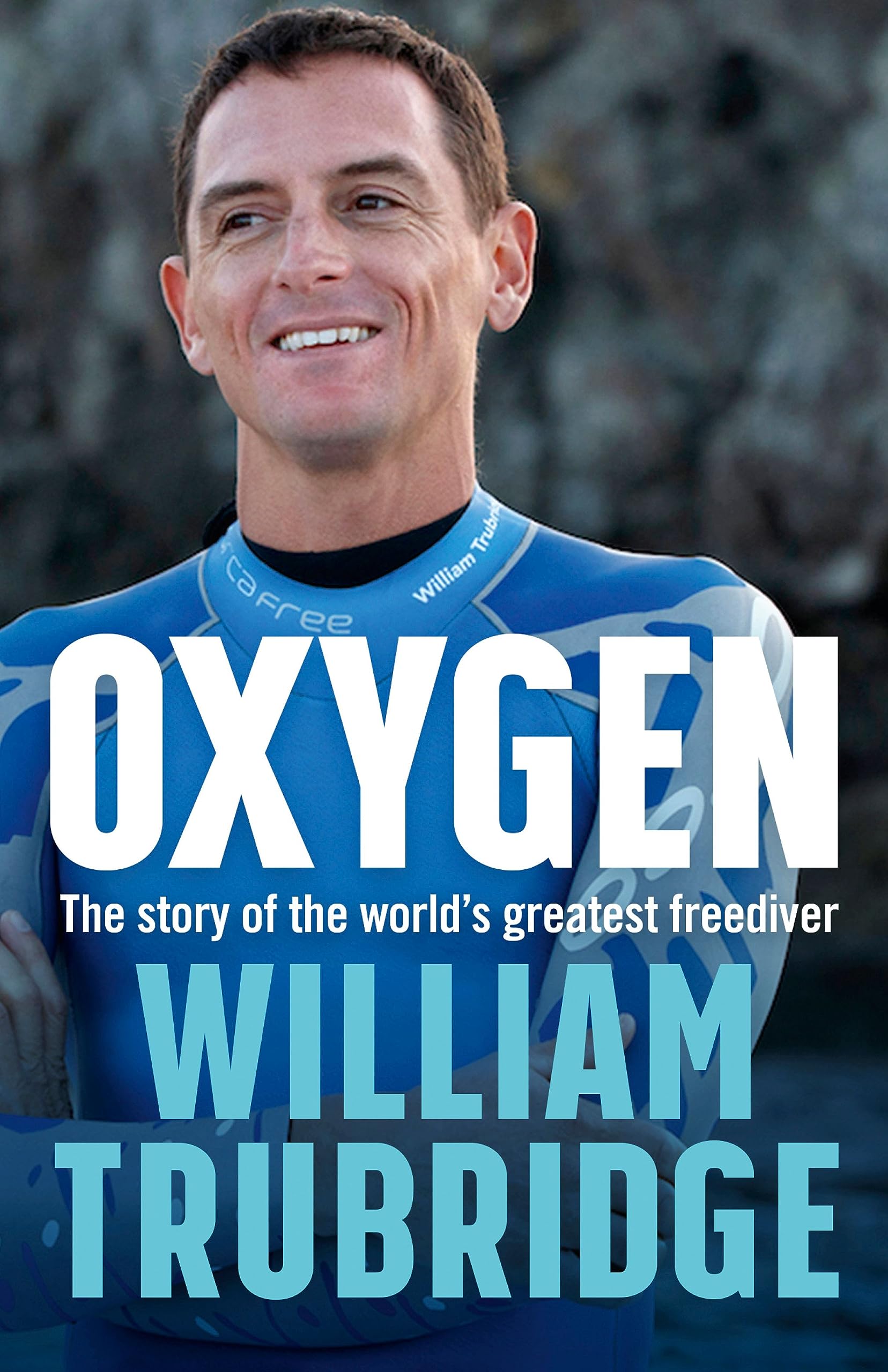
Oxygen — William Trubridge
Best for: mental control under pressure
Why buy: insights into breathing discipline from elite freediving
World champion freediver William Trubridge explores breathing, concentration, endurance and psychological control through the experience of extreme performance.
Diaphragm & Rib Control
Use this once per week to observe changes in breath stamina, controlled exhalation and airflow management over time.
| Hold Time (seconds) | General Level | Training Observation |
|---|---|---|
| 10–20 | Starting point | Focus on relaxed inhalation and comfortable breath control |
| 20–30 | Developing | Continue developing controlled, consistent airflow |
| 30–45 | Good control | Useful foundation for breath pacing and sustained phrases |
| 45–60 | Strong control | Good controlled-exhalation capacity |
| 60+ | Advanced | High breath-hold capacity; singing application still depends on vocal coordination |
CO₂ Tolerance
Record these periodically to observe changes in controlled exhalation and breathing coordination. Treat the figures as personal training references rather than universal performance standards.
| Test | Your Best Result | Practice Reference |
|---|---|---|
| Longest comfortable “sss” exhale | ____ | Track your own progress |
| Longest comfortable straw exhale | ____ | Track your own progress |
| Comfortable breath hold | ____ | Do not strain for duration |
| Slow breathing (5s in / 5s out) | ____ | Build gradually and comfortably |
Nervous System & Calm
| Technique | How It Works | When to Use |
|---|---|---|
| 4–6 Breathing | Inhale 4 sec, exhale 6 sec | Pre-performance relaxation |
| Box Breathing | 4–4–4–4 pattern | Focus before auditions or performances |
| Straw Exhale | Creates resistance to the outgoing airflow | Controlled-exhalation practice |
| Hissing Exhale | Slow “sss” release | Airflow pacing practice |
| Slow Rhythmic Breathing | Gentle, regular inhale and exhale | Relaxation and concentration |
Vocal Warm-Up Breathing
| Observation | Possible Factor | Practice Approach |
|---|---|---|
| Running out of air mid-phrase | Airflow may be released too quickly | Controlled “sss” or straw exhalation |
| Unsteady tone | Breath coordination or performance tension | Slow rhythmic breathing before vocalisation |
| Neck / shoulder tension | Excessive upper-body involvement during inhalation | Explore lateral rib expansion and relaxed inhalation |
| Dry throat | Dry environment, hydration or frequent mouth breathing may contribute | Hydration and comfortable nasal breathing where practical |
| Rushed breath before high notes | Anticipatory tension or inefficient breath preparation | Practise quiet inhalation followed by controlled vocal onset |
Breathing Progress Pyramid
Use these levels as a practical progression rather than rigid performance standards.
| Level | Focus | Training Goal | Practice Tool |
|---|---|---|---|
| 1. Awareness | Quiet breathing and body awareness | Reduce unnecessary upper-body tension | Mirror + hand on ribs |
| 2. Control | Slow exhale and “sss” drills | Develop even airflow | Straw / flow tool |
| 3. Support | Lateral rib and torso coordination | Coordinate breath with vocal production | Rib-expansion exercises |
| 4. Endurance | Longer controlled exhalation | Develop breath pacing for longer phrases | Timer + paced breathing |
| 5. Performance | Calm, coordinated breathing | Maintain focus and efficient breath management | Slow rhythmic breathing |
90-Second Breathing Routine
A short breathing sequence for singers, performers, speakers and voice professionals before rehearsals, auditions, recordings, performances or presentations.
- 10 seconds — Posture
Allow the ribs to remain open, with the jaw and shoulders relaxed. - 20 seconds — Quiet nasal breathing
Observe comfortable side-rib movement without forcing the inhalation. - 20 seconds — 4–6 breathing
Inhale comfortably for 4 seconds and exhale for 6 seconds. Shorten the count if necessary. - 20 seconds — “sss” or straw exhale
Maintain a smooth, comfortable and controlled airflow. - 20 seconds — Slow rhythmic breathing
Finish with an easy, regular breathing rhythm without forcing the breath.
Total time: approximately 90 seconds. Keep the routine comfortable and stop if you experience dizziness, breathlessness or discomfort.
Further Breathing Resources
Continue exploring breathing technique, respiratory training, vocal support and voice care through these related guides and resources.
Mastering the Breath — Proven Techniques for Voice, Power & Control
Diaphragmatic Breathing — Coordination, Expansion & Vocal Support
Breathing, Yoga Practice & Vocal Performance
Breathing Training Tools & Vocal Support Solutions
Vocal Warm-Up & Voice Care Tools
FAQ — Breathing & Voice Training
Should singers breathe through the nose or mouth?
Nasal inhalation warms, filters and humidifies incoming air, but singing does not require exclusively nasal breathing. The appropriate inhalation route depends on the phrase, available time and vocal task; the priority is a quiet, efficient breath without unnecessary tension.
How long should I practise breathing exercises each day?
Short, regular practice can be more useful than occasional intensive sessions. The appropriate duration depends on the exercise, your experience and whether resistance equipment is being used.
Why do I run out of air on long vocal phrases?
Running out of air can result from several factors, including taking an inefficient breath, releasing air too quickly, excessive muscular tension or difficulties coordinating airflow with phonation. Controlled-exhalation exercises can help develop awareness of breath pacing.
Can breathing exercises help with performance nerves?
Slow, comfortable breathing can be useful as part of a pre-performance relaxation routine. Individual responses vary, and breathing exercises should complement rather than replace broader strategies for managing performance anxiety.
What is a useful breathing warm-up?
A simple routine can combine relaxed posture, quiet inhalation and a comfortable controlled exhale using “sss” or a straw. The aim is coordination and awareness rather than achieving a maximum duration.
Is belly breathing enough for singing?
No single body movement defines efficient breathing for singing. Vocal breathing involves coordinated movement of the rib cage, diaphragm, abdominal wall and surrounding musculature, together with posture and appropriate management of airflow.
Should I take a big breath before a high note?
Not necessarily. Taking more air than the phrase requires can create unnecessary pressure or tension. Singers generally benefit from taking an appropriate, comfortable breath and coordinating it efficiently with the onset and phrase.
What is CO₂ tolerance?
CO₂ tolerance is a term commonly used in breath-training contexts to describe comfort with the sensations associated with rising carbon dioxide during breath holding or controlled breathing. Breath-hold duration should not be treated as a direct measure of singing ability or vocal technique.
Do breathing exercises help with speaking as well as singing?
Breathing exercises can help speakers develop awareness of airflow, phrasing and breath pacing. Effective speaking also depends on phonation, articulation, resonance, posture and communication technique.
What breathing tools can support vocal training?
Resistance trainers, airflow-feedback tools and simple practice aids can be used to explore respiratory strength, controlled exhalation and breathing awareness. Their purpose and instructions vary, so they should be used appropriately rather than treated as substitutes for vocal technique.
Are breathing training devices useful for singers and speakers?
They can provide structured resistance or feedback for respiratory training, but their usefulness depends on the individual, the device and the training objective. They are best regarded as supplementary tools alongside appropriate vocal and breathing practice.
Safety note: Breathing exercises and breath-hold practices should remain comfortable and should not be performed to the point of dizziness, distress or significant breathlessness. People with respiratory, cardiovascular or other relevant medical conditions should seek appropriate professional advice before beginning intensive breathing or resistance training.
As an Amazon Associate, I earn from qualifying purchases.