

Shure · Electro-Voice · Sennheiser · Telefunken · RØDE · Behringer · AKG · Audix · Heil Sound · Lewitt · Beyerdynamic · PreSonus · TASCAM ·
Price Ranges · Dynamic vs Condenser · Podcast Microphones · How to Choose · Recording Scenarios · Instrument Recording · Best Picks · Voice Loadouts · FAQ
Compare dynamic microphones for vocals, podcasting, streaming, studio recording and live performance, from versatile everyday models to professional broadcast and stage microphones.
Shure
Shure microphones are widely trusted for vocal clarity, reliability, and consistent performance across live, studio, and broadcast environments.
Shure SM7B
A studio and broadcast favourite known for its smooth vocal sound and excellent background noise rejection.


Shure MV7
Hybrid USB/XLR microphone inspired by the SM7B, designed for flexible modern recording setups including streaming, coaching, and home studios.

Shure BETA 58A
Professional supercardioid microphone designed for live performance, offering strong vocal presence and high feedback rejection.

Shure PGA48
Entry-level dynamic microphone for speech, rehearsal, and everyday vocal use with simple setup and reliable performance.

Shure SM58-LC
Industry-standard live microphone known for durability, warmth, and consistent vocal performance across stages worldwide.

Shure SM58SE
Variant of the SM58 with integrated on/off switch for added control during live events, rehearsals, and presentations.

Shure SM57
Highly versatile dynamic microphone used for both instruments and vocals, known for durability and focused midrange clarity.

Shure 55SH Series II
An iconic cardioid dynamic microphone featuring classic vintage styling with dependable vocal clarity for live performance, stage presentation, and public speaking.

Electro-Voice
Electro-Voice microphones are known for broadcast-level clarity, consistent tone, and reduced proximity effect through Variable-D technology, making them highly reliable for studio, stage, and voice applications.
Electro-Voice RE20
Broadcast-standard dynamic microphone delivering natural, controlled vocal tone with minimal proximity effect, ideal for voice-over, podcasting, and studio vocals.

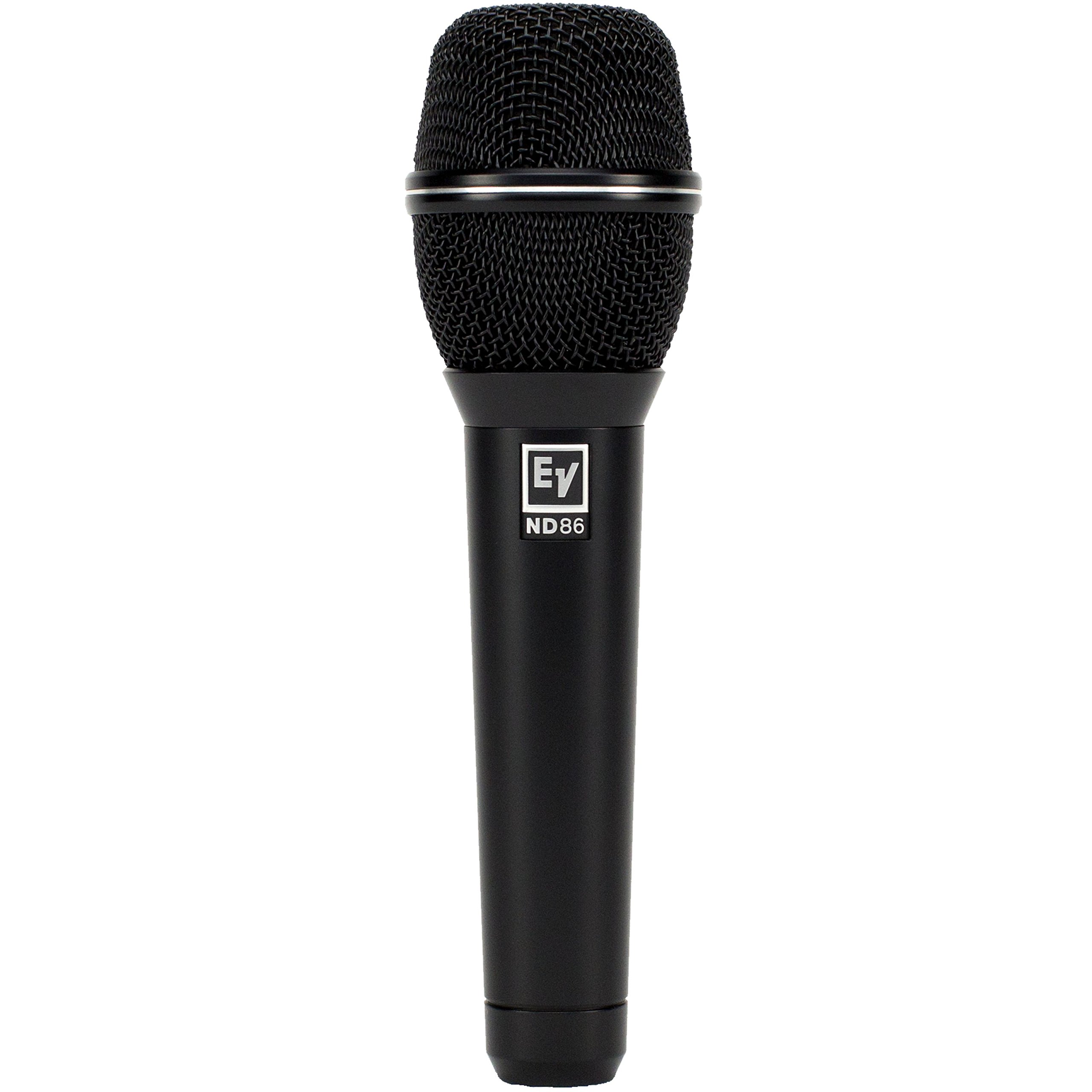
Electro-Voice ND86
Supercardioid stage microphone designed for articulate, present vocals with strong isolation and high gain-before-feedback in live environments.
Electro-Voice RE320
Versatile dynamic microphone with dual voicing modes for speech and music, offering clean detail with controlled proximity effect.

Electro-Voice ND96
High-performance stage microphone designed for powerful vocals, delivering maximum gain-before-feedback and strong isolation in loud environments.

Sennheiser
Sennheiser dynamic microphones deliver articulate, controlled vocal performance with excellent handling noise reduction and refined stage clarity, making them well suited to professional live use.
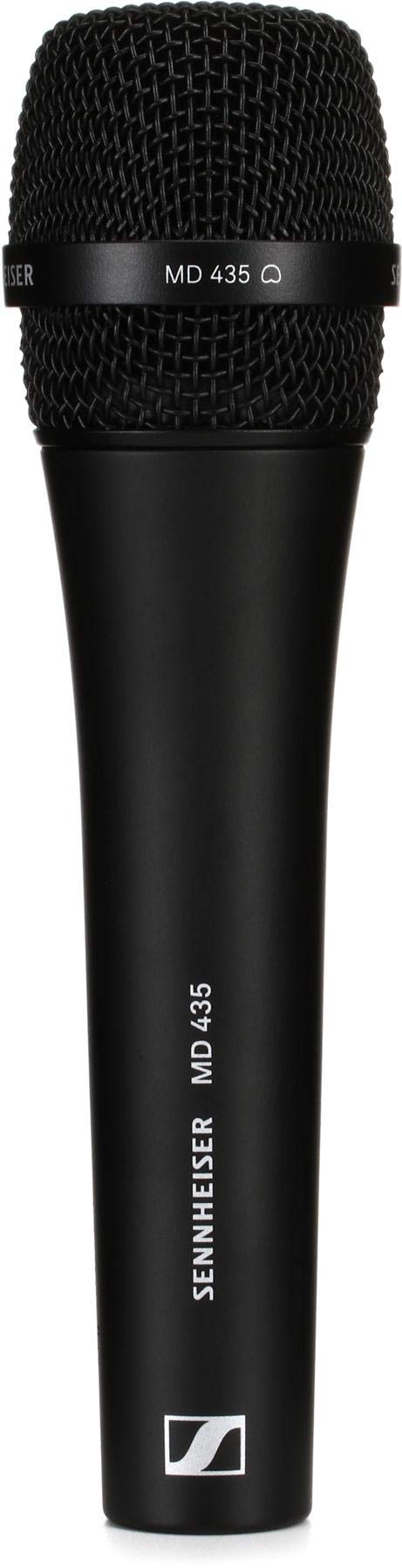
Sennheiser MD 435
High-end dynamic microphone designed to deliver studio-level vocal detail on stage, with smooth articulation and strong isolation for expressive live performance.
Sennheiser e 835
A dependable cardioid dynamic microphone delivering balanced vocal clarity, excellent durability, and reliable performance for live singing, speeches, and rehearsals.

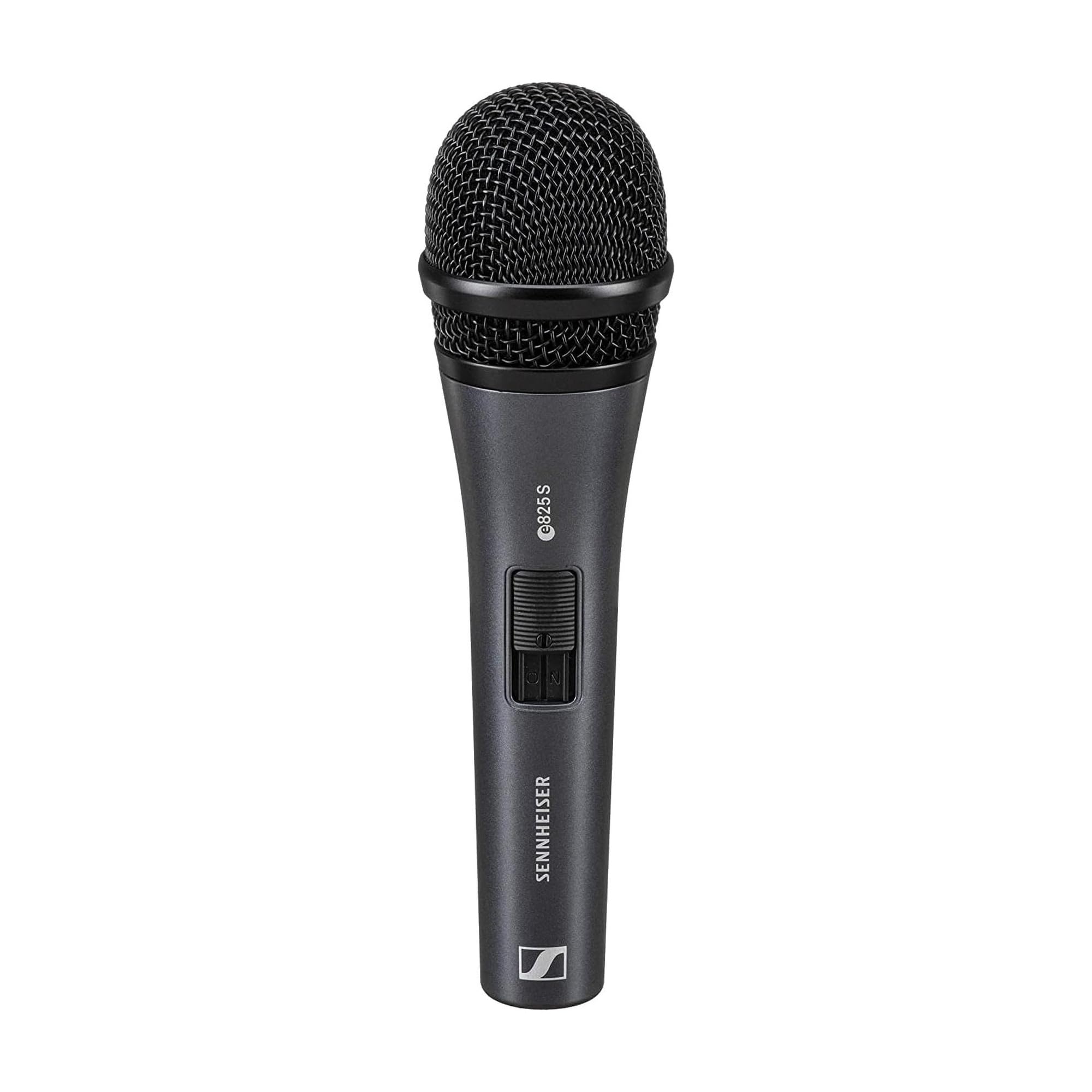
Sennheiser e 825-S
A reliable cardioid dynamic microphone with an integrated on/off switch, delivering clear vocals and dependable performance for live singing, speeches, rehearsals, and presentations.
Sennheiser e 845
A supercardioid dynamic microphone offering enhanced vocal presence, improved feedback rejection, and focused sound for demanding live performances.

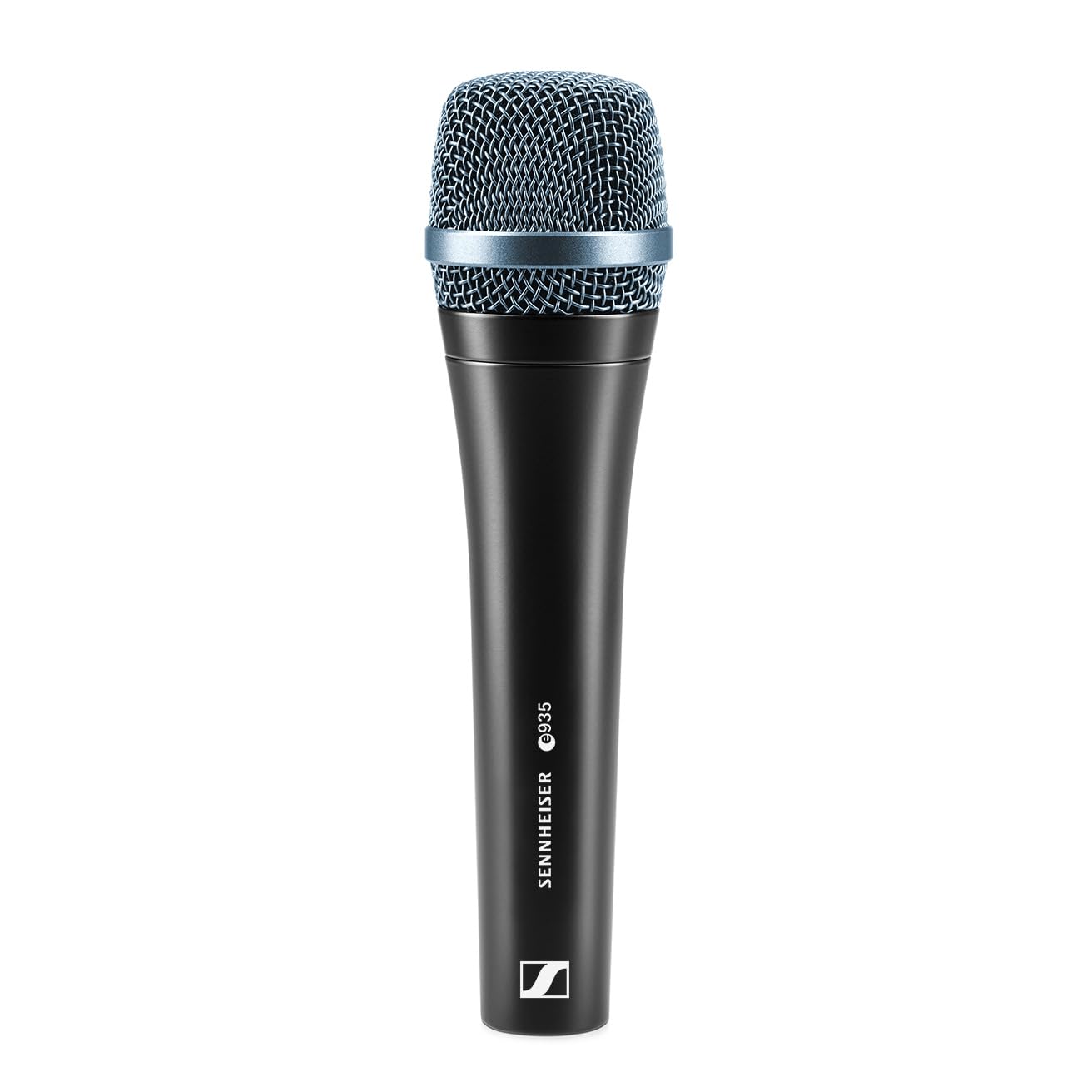
Sennheiser e 935
A professional cardioid dynamic microphone providing natural vocal warmth, high output, and excellent consistency for concerts, touring, and stage use.
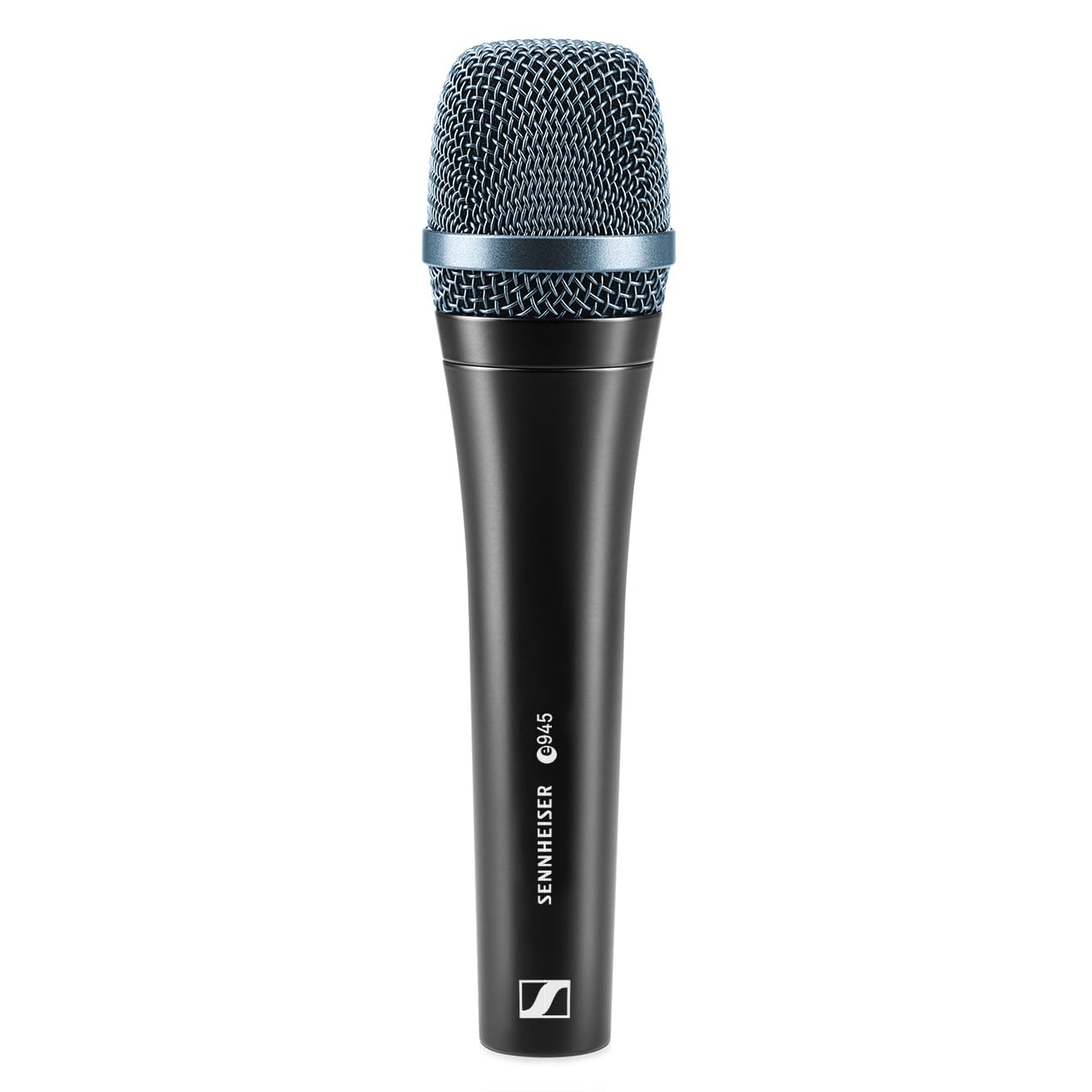
Sennheiser e 945
A premium supercardioid dynamic microphone delivering exceptional vocal detail, high gain-before-feedback, and excellent isolation for professional performers.
Sennheiser XS 1
An affordable cardioid dynamic microphone delivering clear speech and vocal reproduction for singers, presenters, public speaking, rehearsals, and small live performances.

Telefunken
Telefunken dynamic microphones combine condenser-like clarity with rugged build quality, delivering articulate, high-SPL vocal performance for both stage and studio applications.
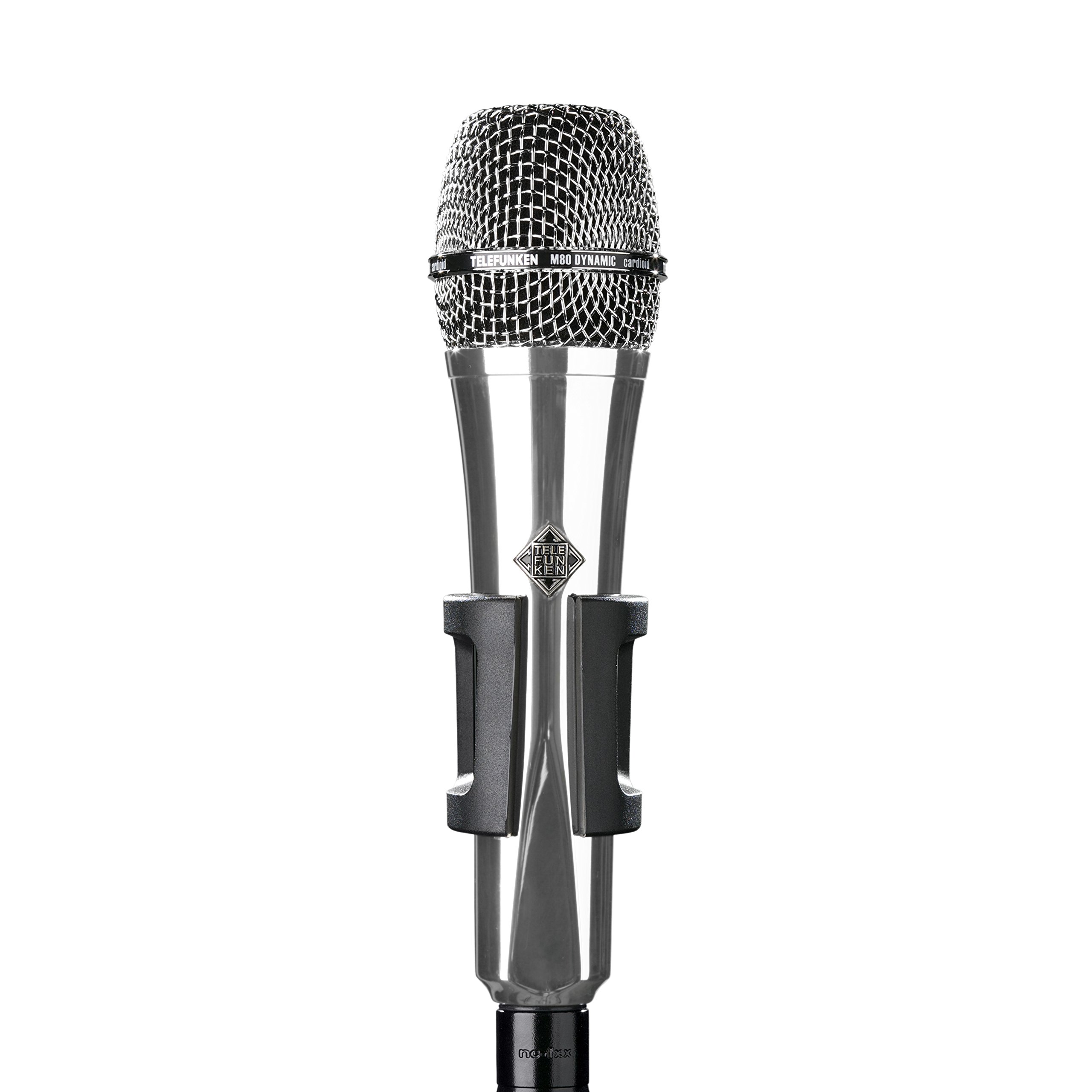
Telefunken M80 Chrome
Dynamic microphone with extended frequency response delivering clear, detailed vocals with condenser-like articulation for stage and studio use.
Telefunken M82
Large-diaphragm dynamic microphone designed for full-bodied vocals and broadcast applications, with strong low-end response and switchable EQ profiles.
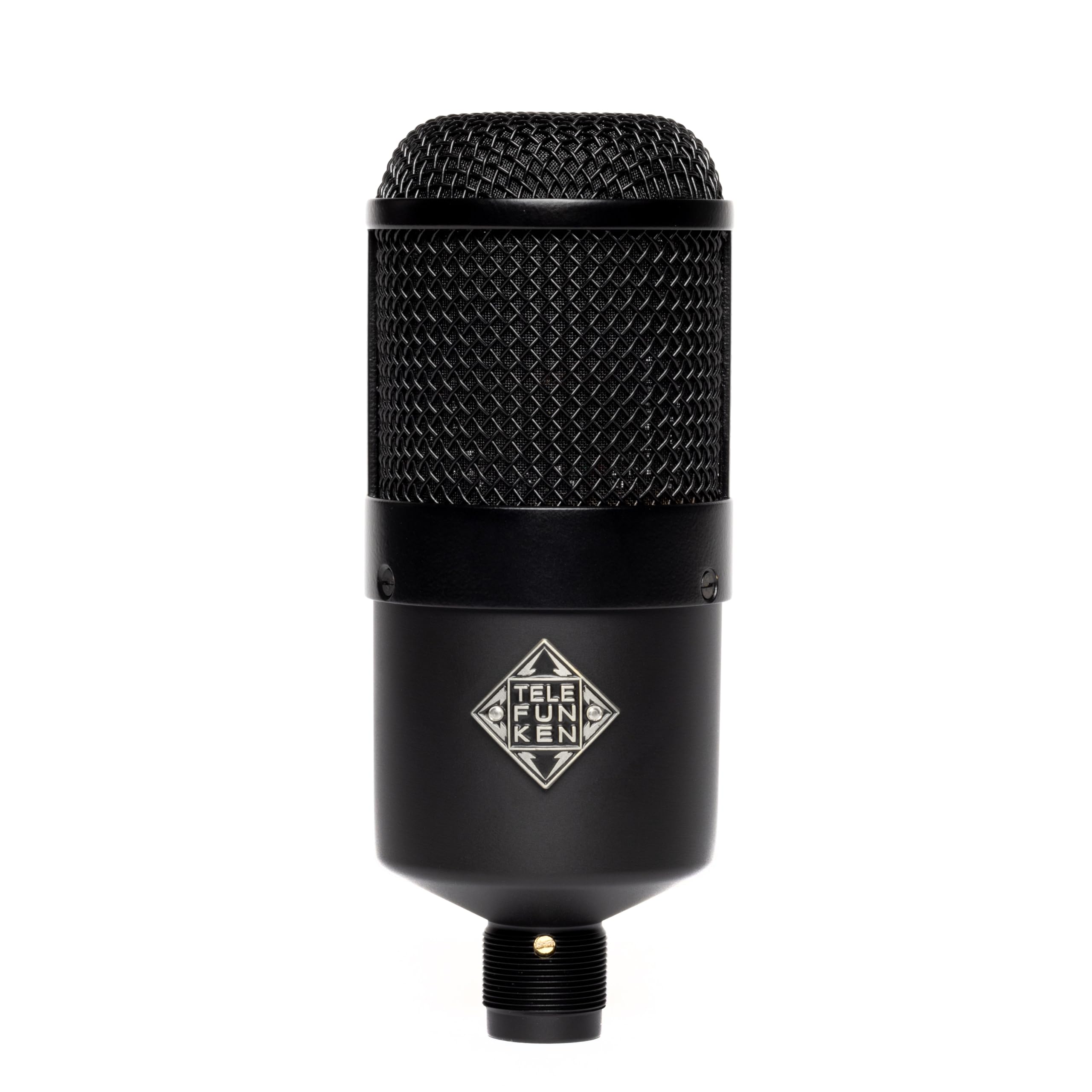
Telefunken M81
Balanced dynamic microphone with flatter frequency response, offering controlled mids and smooth articulation for vocals and instruments.

Telefunken M80 (Oak Finish)
Premium version of the M80 combining condenser-like clarity with handcrafted design, suited to lead vocals and high-end stage presentation.

RØDE
RØDE produces modern dynamic microphones with clear, focused vocal tuning, durable construction, and strong usability for podcasting, coaching, and home studio recording.
RØDE PodMic
Compact broadcast-style dynamic microphone delivering clear, controlled vocal sound for podcasting, streaming, and close-mic recording setups.

RØDE PodMic USB
A versatile USB/XLR dynamic microphone designed for podcasting, streaming, broadcasting, and content creation with professional-quality voice recording.

RØDE PodMic USB (White)
The white edition of the PodMic USB, offering the same hybrid USB/XLR connectivity and broadcast-quality voice recording in a distinctive finish for podcasting, streaming, and content creation.

Behringer
Behringer microphones provide accessible, entry-level solutions for vocal practice, speech, live performance, and basic recording, focusing on simplicity, durability, and cost-effective performance.
Behringer B 906
Dynamic microphone designed for instrument and vocal applications, particularly suited to guitar amplifiers and stage setups requiring focused midrange response and high SPL handling.

AKG
AKG microphones are recognised for balanced sound, dependable build quality, and excellent vocal intelligibility across live performance, rehearsal, and professional stage applications.
AKG D5
A professional supercardioid dynamic microphone delivering clear vocals, excellent feedback rejection, and reliable performance for live singing and presentations.

AKG D5 CS
A professional cardioid dynamic microphone with an integrated on/off switch, delivering clear vocals, effective feedback rejection, and reliable performance for live singing, rehearsals, and presentations.

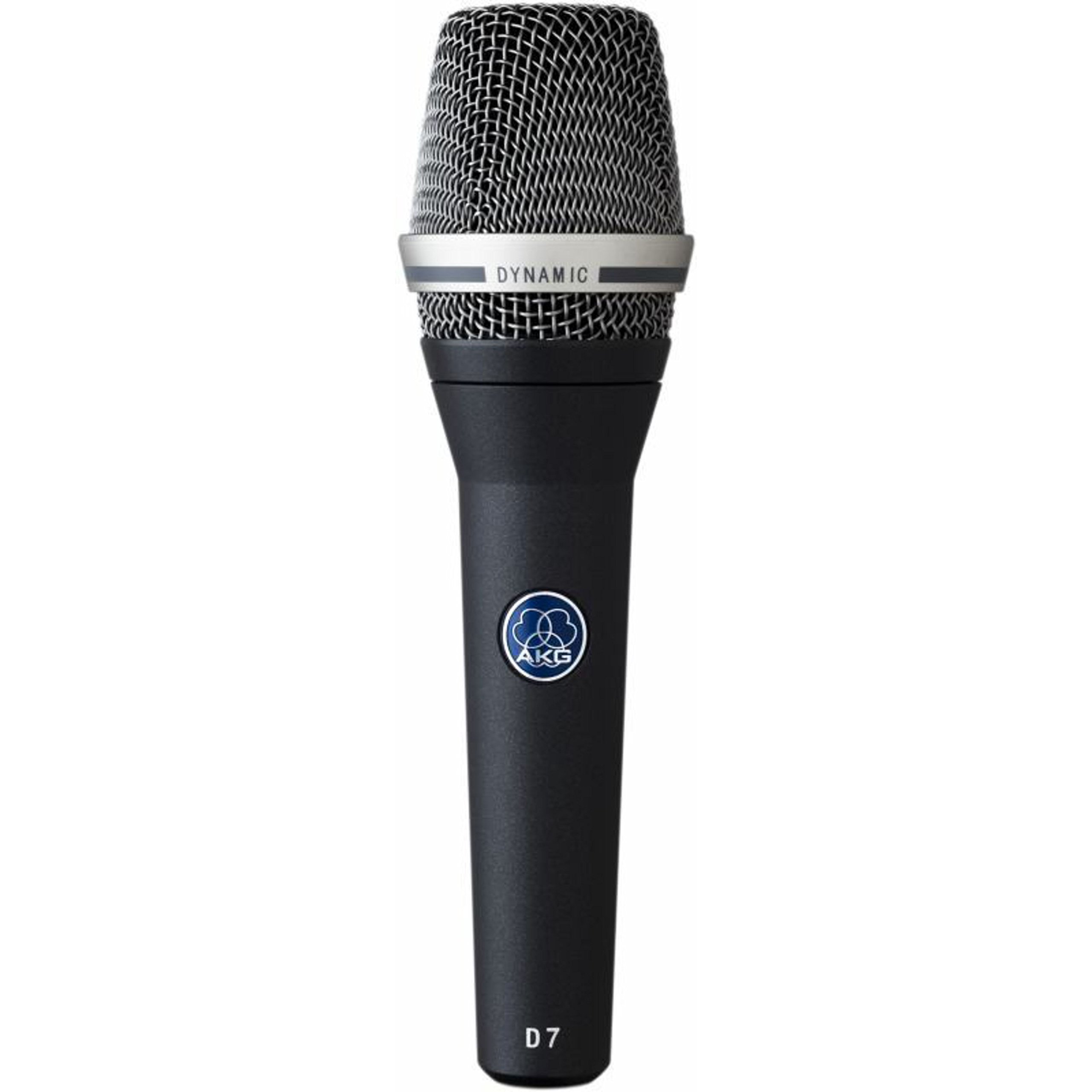
AKG D7
A premium dynamic vocal microphone offering detailed sound, consistent off-axis rejection, and outstanding clarity for demanding professional performers.
Audix
Dynamic microphones focused on articulation and controlled vocal projection. Audix microphones are designed for high-output live environments, offering strong vocal focus, feedback resistance, and clarity in dense stage mixes.
Audix OM2
Cardioid dynamic microphone designed for live vocals, rehearsal, and everyday stage use, delivering clear midrange presence and stable performance.

Audix OM5
Hypercardioid dynamic microphone built for live performance, offering strong vocal separation and higher gain-before-feedback in demanding stage conditions.

Audix OM7
Low-output hypercardioid dynamic microphone engineered for extremely loud stages, providing maximum isolation and control when used close to the source.

Heil Sound
Heil Sound microphones are designed for broadcast, podcasting, and voice-focused recording, offering strong articulation, controlled response, and reliable off-axis rejection.
Heil PR 37
Large-diaphragm dynamic microphone designed for broadcast, live vocals, and high-level speech applications, delivering clear articulation with strong isolation and controlled low-end response.

Lewitt
Lewitt microphones combine modern engineering with excellent detail, making them suitable for vocals, podcasts, studio recording, and live performance.
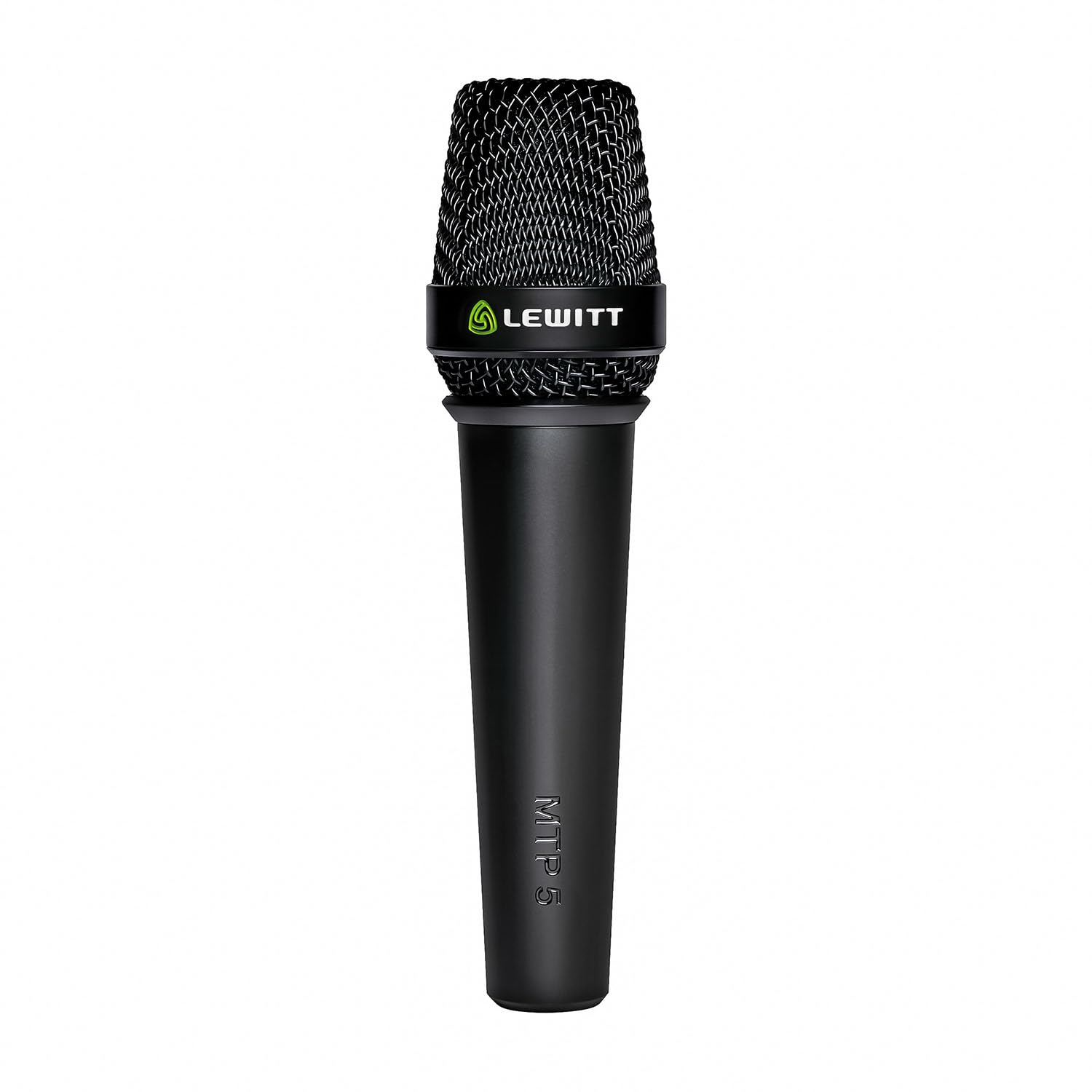
Lewitt MTP 5
A professional handheld dynamic microphone delivering clear, natural vocals with excellent stage isolation for live performances and speech.
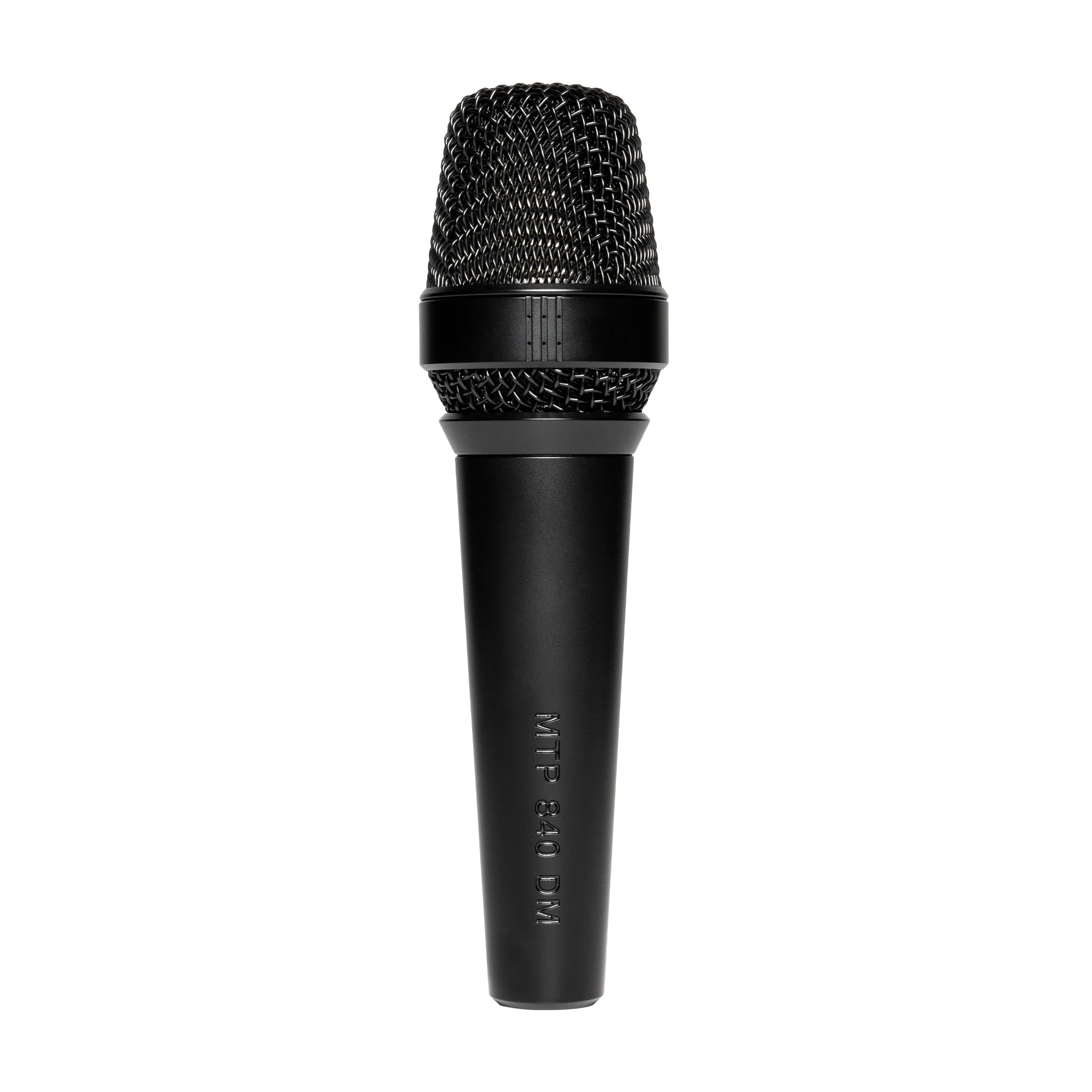
Lewitt MTP 840 DM
A premium handheld dynamic microphone designed for detailed vocals, excellent handling noise reduction, and consistent live performance.
Beyerdynamic
Beyerdynamic is renowned for precision German engineering, producing microphones trusted for broadcasting, studio recording, and live sound.
Beyerdynamic M70 PRO X
A broadcast-focused dynamic microphone delivering warm speech reproduction with excellent off-axis noise rejection.

Beyerdynamic TG V70d
A professional supercardioid dynamic microphone designed for powerful live vocals, delivering excellent feedback rejection and clear, detailed sound on stage.

Beyerdynamic TG V35d
An affordable dynamic vocal microphone offering reliable performance for live singing, rehearsals, speeches, and small venue performances.

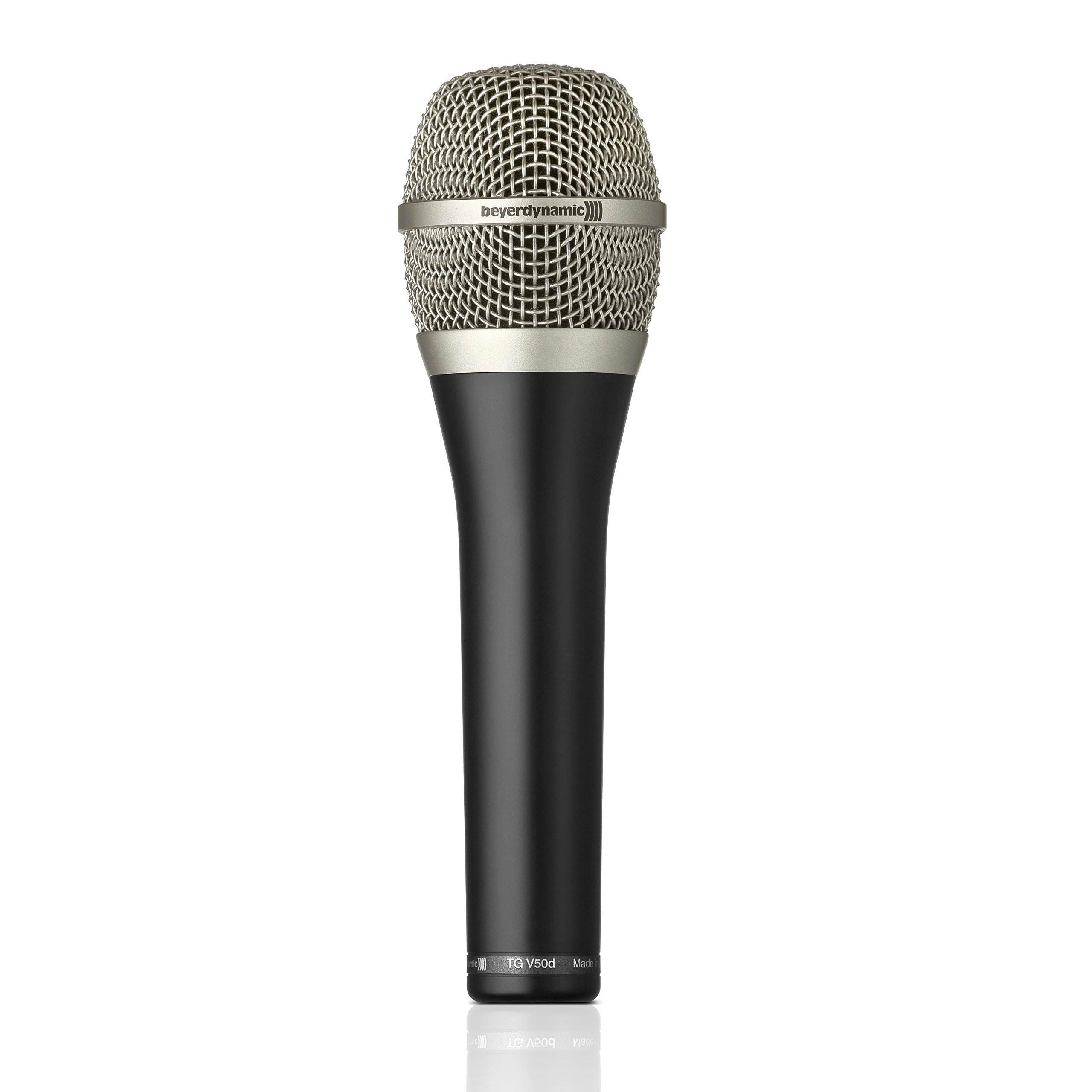
Beyerdynamic TG V50d
A versatile dynamic vocal microphone offering balanced sound, reliable feedback rejection, and consistent performance for live singing, speeches, and presentations.
PreSonus
PreSonus offers practical recording solutions for musicians, podcasters, broadcasters, and home studio creators.
PreSonus PD-70
A broadcast-style dynamic microphone engineered to deliver clear speech with reduced background noise for podcasts and streaming.

TASCAM
TASCAM has decades of experience producing reliable recording equipment for studios, broadcasters, musicians, and content creators.
TASCAM TM-70
A dynamic microphone designed for podcasts, broadcasting, online meetings, and spoken-word recording with focused voice pickup.

TASCAM TM-82
A durable cardioid dynamic microphone designed for vocals, speeches, rehearsals, and instrument recording, delivering reliable performance for live sound and home studios.

Related Resources
Guide on Dynamic Microphones
Best Dynamic Microphones – 2026 Guide
Dynamic Microphone Price Ranges
What can you expect from dynamic microphones in the £20–£60 range? Dynamic microphones in this price range are typically used for everyday voice, rehearsal, and basic live use. They usually offer durable construction with focused vocal pickup. Detail and sensitivity are limited compared with higher-priced models, but they remain reliable in uncontrolled environments. This range is suitable for beginners, rehearsal rooms, karaoke, public speaking, and casual live use.
What improves in the £60–£120 range? This range is better suited to live vocals, spoken word, and home recording. You can expect improved clarity, better feedback rejection, and a more balanced frequency response. These microphones are dependable choices for regular performance and teaching, especially for singers, vocal coaches, podcasters, presenters, and small venues.
What defines the £120–£200 range? Dynamic microphones in this range are aimed at professional live performance and broadcast-style voice work. They offer enhanced articulation, controlled proximity effect, and strong off-axis rejection. They are designed for consistent results in demanding environments and suit professional vocalists, live performers, broadcasters, and touring artists.
What do you gain in the £200–£350 range? This range moves into broadcast and studio-grade dynamic recording. You can expect refined tonal balance with condenser-like detail in a dynamic format, along with excellent noise control and natural vocal presence. These microphones are suitable for voice-over artists, podcast studios, studio vocal recording, and premium speech capture.
What defines dynamic microphones above £350? High-end dynamic microphones are designed for professional studio and broadcast applications. They offer exceptional build quality, precision tuning, and extended frequency response. The goal is top-tier vocal clarity without sacrificing durability, making them suitable for professional studios, broadcast facilities, and elite vocal or speech production.
For a faster decision, you can explore the models above by price category — from entry-level rehearsal microphones to broadcast-grade studio options — and choose a microphone that matches your current setup and long-term use.
Dynamic vs Condenser – At a Glance
How do dynamic and condenser microphones differ in operating principle? Dynamic microphones use a moving-coil design with passive output. Condenser microphones use a capacitor-based design requiring phantom power. In practical terms, dynamics are simpler and more rugged, while condensers are more sensitive and detailed.
How does sensitivity compare? Dynamic microphones have lower sensitivity, which helps them tolerate loud sources and untreated rooms. Condenser microphones have high sensitivity and capture finer nuance, making them more revealing but also more dependent on the recording environment.
How do dynamic and condenser microphones interact with the room? Dynamic microphones pick up minimal room reflections, which makes them useful in untreated spaces. Condenser microphones clearly capture room acoustics, so they benefit from acoustic control and treated environments.
Which type captures more detail and resolution? Dynamic microphones produce a focused, controlled sound with less overt detail. Condenser microphones offer high detail and extended frequency response, revealing articulation and overtones more clearly.
Which microphone type handles loud voices better? Dynamic microphones offer excellent headroom and are very forgiving. Condenser microphones require more careful gain staging. For powerful singers and belters, dynamic microphones often provide a safer setup with minimal risk.
What are the typical vocal uses for each type? Dynamic microphones are commonly used for live vocals, broadcast speech, and podcasts. Condenser microphones are commonly used for studio singing, voice-over, and acoustic recording. The choice depends on environment more than voice type alone.
Which microphone type is more durable? Dynamic microphones are extremely robust and excel in touring and mobile setups. Condenser microphones contain more delicate internal components and are generally better suited to controlled studio use.
Which type is simpler to set up? Dynamic microphones are simple and have minimal requirements. Condenser microphones require phantom power and careful placement. Condensers reward experience and controlled conditions, while dynamics are usually more forgiving.
When should you choose a dynamic or condenser microphone? Choose a dynamic microphone for untreated rooms, live work, and spoken voice. Choose a condenser microphone for treated spaces, studio recording, and detailed vocal capture. Environment and use case should guide the decision.
Best Dynamic Microphones for Podcasting (Clear Voice & Low Room Noise)
Which dynamic microphones work best in an untreated room or with background noise? Shure SM7B, RØDE PodMic, RØDE PodMic USB, Beyerdynamic M70 PRO X, and Electro-Voice RE20 are excellent choices because they reject room reflections and background noise while maintaining focused, natural vocal sound. Position the microphone around 5–10 cm from your mouth, use a pop filter, and ensure your audio interface provides sufficient clean gain.
What is a good beginner podcast setup? RØDE PodMic USB, Shure MV7, Sennheiser Profile USB, and Tascam TM-82 provide straightforward setups with excellent speech quality. USB models work well without additional equipment, while XLR microphones pair easily with an entry-level audio interface as your setup grows.
Which dynamic microphones suit professional broadcast-quality podcasting? Shure SM7B, Electro-Voice RE20, Beyerdynamic M70 PRO X, Heil PR 37, and Neumann BCM 705 are widely used for professional speech recording thanks to their controlled frequency response, excellent off-axis rejection, and natural vocal reproduction.
What is best for mobile or travel podcasting? RØDE PodMic USB, Shure MV7, and Sennheiser Profile USB are ideal for portable podcasting because USB connectivity allows fast setup with a laptop while maintaining broadcast-quality speech recording. A compact desk stand and closed-back headphones complete a practical mobile setup.
What works best for interviews or multiple speakers? RØDE PodMic, Sennheiser e835, Shure SM58, and Electro-Voice RE20 work well for interviews because they provide consistent vocal tone, excellent speech intelligibility, and effective isolation between speakers. Matching microphones for each participant produces the most balanced results.
Which microphones help with deep voices or low-frequency control? Electro-Voice RE20, Shure SM7B, Beyerdynamic M70 PRO X, and Neumann BCM 705 minimise excessive bass build-up while preserving clarity and natural speech. Maintain a distance of around 6–12 cm and apply a gentle high-pass filter only if additional low-frequency control is needed.
Podcast Starter Kits (Best Setups by Budget)
What is a good entry-level podcast setup between £150 and £300? A practical starter setup can combine two RØDE PodMic or TASCAM TM-70 microphones with a Focusrite Scarlett 2i2 audio interface. This combination delivers clear speech, reliable performance, and an affordable introduction to podcasting with room to upgrade later.
What is a good mid-level podcast setup between £300 and £700? Two Shure MV7 or RØDE PodMic USB microphones paired with an SSL 2 or Audient iD4 MKII interface provide excellent vocal clarity, flexible USB/XLR connectivity, and an ideal solution for creators, educators, and growing podcasts.
What is a professional podcast setup between £700 and £1500? Two Shure SM7B, Beyerdynamic M70 PRO X, or Electro-Voice RE20 microphones combined with an Audient iD14 MKII, SSL 12, or Scarlett 4i4 deliver broadcast-quality speech with excellent noise rejection, natural vocal tone, and dependable long-term performance.
What is a premium podcast setup above £1500? A premium setup can pair Electro-Voice RE20, Shure SM7B, Beyerdynamic M70 PRO X, or Heil PR 37 microphones with an RME Babyface Pro FS or Universal Audio Apollo Twin X interface. This combination is well suited to professional studios, commercial podcast production, and broadcast environments where maximum clarity and consistency are essential.
How to Set Up a Dynamic Mic for Podcasting
A well-positioned dynamic microphone will outperform expensive gear used incorrectly. Focus on distance, angle, and gain structure rather than adding complexity.
Step 1 — How should you position the microphone? Keep the microphone 5–10 cm from your mouth. Slightly off-axis positioning, around 20–30 degrees, reduces plosives while maintaining clarity.
Step 2 — Why does distance control matter? Stay consistent with your distance. Moving closer increases bass through proximity effect, while moving away reduces presence and intelligibility.
Step 3 — How should you set proper gain? Aim for a strong signal without distortion. Peaks should sit around -10 dB to -6 dB. Most dynamic microphones require high gain, often 60 dB or more.
Step 4 — Which accessories help? A pop filter or foam windscreen improves clarity. A boom arm stabilises positioning and reduces handling noise.
Step 5 — How do you reduce room noise? Face away from reflective surfaces. Even simple soft furnishings such as curtains and carpets can improve results significantly.
Step 6 — Why should you monitor your sound? Use headphones to check clarity, plosives, and background noise before recording.
What result should you expect? With good placement and gain structure, a dynamic microphone should deliver a clean, focused voice with minimal room interference — the exact outcome dynamic microphones are designed for.
Recording Two People (Interviews & Conversations)
When recording two people, microphone control and positioning become even more important. The goal is to maintain consistent tone for both voices while preventing bleed and level imbalance.
Step 1 — Should each person have their own microphone? Avoid sharing a single microphone. Each speaker should have their own mic to maintain clarity and independent control.
Step 2 — How should microphone distance be matched? Keep both speakers at a similar distance, typically 5–10 cm. This ensures consistent volume and tonal balance.
Step 3 — How do you position microphones to reduce bleed? Angle microphones slightly away from each other and avoid direct face-to-face positioning. This improves isolation and reduces overlap.
Step 4 — How should gain be set for each speaker? Adjust gain for each voice separately. Different voices require different levels, so avoid using identical gain settings by default.
Step 5 — Why does conversational discipline matter? Avoid interrupting or speaking over each other. Clean spacing between voices improves intelligibility and post-production flexibility.
Step 6 — How should both channels be monitored? Listen for balance between speakers. One voice should never dominate unless intentionally structured that way.
What result should you expect when recording two people correctly? The result should be balanced, professional dialogue with clear separation between voices — essential for interviews, podcasts, and recorded conversations.
Recommended Podcast Setup (Simple & Reliable)
Which microphones should you use? Choose two matching dynamic microphones such as the Shure SM7B, RØDE PodMic, RØDE PodMic USB, Beyerdynamic M70 PRO X, Electro-Voice RE20, or Shure MV7. Using the same model for both speakers helps maintain consistent tone and recording levels.
Which audio interface should you use? A dual-input audio interface such as the Focusrite Scarlett 2i2, Audient iD14 MKII, SSL 2, or Universal Audio Volt 2 provides clean microphone preamps and straightforward recording for interviews and podcasts.
What monitoring setup is recommended? Use two closed-back headphones, a sturdy microphone stand or boom arm for each microphone, and pop filters or foam windscreens to minimise plosives while monitoring speech in real time.
How to choose a dynamic microphone
What should you choose for spoken voice clarity in untreated rooms? A broadcast-style dynamic microphone makes sense because strong background rejection and controlled proximity effect reduce room noise. This is typically used for podcasting, online teaching, and spoken content.
What should you choose for a close, intimate vocal tone? A large-diaphragm dynamic microphone makes sense because it provides smooth midrange response with natural warmth when used up close. This is typically used for voice-over, narration, and intimate vocals.
What should you choose for recording in loud or reflective spaces? A cardioid dynamic microphone makes sense because low sensitivity minimises reflections, bleed, and environmental noise. This is useful for home studios and rehearsal rooms.
What should you choose for live performance and rehearsal use? A stage-grade dynamic microphone makes sense because it offers high feedback rejection, durability, and stable performance at high sound pressure levels. This is typically used for live vocals and stage rehearsal.
What should you choose for teaching, coaching, and long sessions? A close-talk dynamic microphone makes sense because forgiving gain structure reduces fatigue and keeps tone consistent. This is suitable for vocal lessons and Zoom coaching.
What should you choose for pop, rock, and contemporary vocals? A presence-forward dynamic microphone makes sense because focused midrange helps vocals cut through dense mixes. This is useful for studio vocals and amplified music.
What should you choose for mobile or travel recording? A compact dynamic microphone makes sense because it requires no power, has a robust build, and provides reliable results on the move. This is suitable for portable setups and travel recording.
Dynamic Microphone Use Cases & Recording Scenarios
This section helps you quickly match microphone characteristics to real-world performance and recording situations, reducing guesswork and improving consistency across different environments.
Which dynamic microphones suit classical or operatic vocals live? Shure BETA 58A, Sennheiser e 945, Electro-Voice ND86, Telefunken M80, and AKG D7 are excellent choices because they provide vocal projection, articulate detail, and strong feedback rejection for demanding live performance.
Which dynamic microphones suit pop, rock, or contemporary vocals live? Shure SM58-LC, Sennheiser e 935, Telefunken M81, Beyerdynamic TG V70d, and Sennheiser MD 435 deliver balanced tone, strong presence, and dependable stage performance across a wide range of musical styles.
Which dynamic microphones suit broadcast, voice-over, and podcasting? Shure SM7B, Electro-Voice RE20, Beyerdynamic M70 PRO X, Heil PR 37, Shure MV7, and RØDE PodMic USB are excellent choices for broadcast-quality speech, voice-over work, streaming, and podcast production.
Which dynamic microphones suit home recording and untreated rooms? Shure SM7B, Shure MV7, RØDE PodMic, RØDE PodMic USB, Beyerdynamic M70 PRO X, and PreSonus PD-70 minimise room reflections and background noise while delivering focused vocal recordings.
Which dynamic microphones suit powerful or loud stage vocals? Electro-Voice ND96, Audix OM7, Shure BETA 58A, AKG D7, and Beyerdynamic TG V70d provide exceptional gain-before-feedback and reliable performance on loud stages.
Which dynamic microphones are good budget-friendly entry-level choices? Shure PGA48, Sennheiser XS 1, Sennheiser e 825-S, AKG D5, Audix OM2, and Beyerdynamic TG V35d offer dependable performance for beginners, rehearsals, public speaking, and small live venues.
Which dynamic microphones work for instrument and vocal hybrid use? Shure SM57, Telefunken M81, Sennheiser MD 421-II, and Behringer B906 perform well on both vocals and instruments including guitar amplifiers, percussion, and live stage applications. For detailed acoustic recording, you may also explore condenser microphones.
Which dynamic microphones suit USB or plug-and-play needs? Shure MV7 and RØDE PodMic USB offer simple USB connectivity with the flexibility of XLR, making them excellent choices for creators, educators, streamers, and mobile recording.
Which dynamic microphones are best for touring or travel-friendly use? Shure SM58-LC, Sennheiser e 835, AKG D5, Telefunken M80, and Beyerdynamic TG V50d combine rugged construction, dependable reliability, and consistent sound for frequent travel and live performance.
Instrument Recording (Optional Use Case)
Although this guide focuses on vocal applications, many dynamic microphones are equally effective for recording instruments thanks to their ability to handle high sound pressure levels while maintaining focused, controlled sound.
Which dynamic microphones work best for guitar amplifiers? Shure SM57, Behringer B906, Sennheiser MD 421-II, Telefunken M81, and Electro-Voice RE20 are widely used for close-miking guitar cabinets because they capture punch, articulation, and midrange detail while minimising unwanted room ambience.
What makes dynamic microphones suitable for instruments? Dynamic microphones handle high SPL without distortion, reject unwanted background noise, and provide excellent isolation. These characteristics make them well suited to guitar amplifiers, snare drums, brass instruments, percussion, and live stage applications.
When should you use a dynamic microphone instead of a condenser microphone for instruments? Choose a dynamic microphone when recording loud sound sources, performing on stage, or working in untreated spaces where isolation is important. Condenser microphones generally remain the better choice for detailed acoustic instruments and controlled studio recordings.
What result should you expect? A well-positioned dynamic microphone delivers a controlled, punchy sound with excellent midrange presence, making it ideal for amplified instruments, live performances, rehearsal spaces, and high-energy recording environments.
Best Dynamic Microphones by Use Case
What should you choose for broadcast-quality voice or voice-over work? Shure SM7B, Electro-Voice RE20, Beyerdynamic M70 PRO X, Heil PR 37, and Shure MV7 are excellent choices for clean, natural speech with outstanding background noise rejection. These microphones are widely trusted for broadcasting, podcasting, and professional voice-over work.
What should you choose for live singing with strong vocal presence? Shure BETA 58A, Telefunken M80, AKG D7, Sennheiser e 945, and Electro-Voice ND86 deliver excellent projection, clarity, and reliable feedback rejection for demanding live performances.
What should you choose for recording in untreated or noisy rooms? Shure SM7B, Shure MV7, RØDE PodMic, RØDE PodMic USB, Beyerdynamic M70 PRO X, and PreSonus PD-70 minimise room reflections while maintaining focused, professional vocal recordings.
What should you choose for podcasting, coaching, or content creation? RØDE PodMic USB, Shure MV7, Shure SM7B, Beyerdynamic M70 PRO X, and TASCAM TM-70 provide excellent speech intelligibility, simple workflows, and reliable performance for creators, educators, coaches, and podcasters.
What should you choose for loud stages or feedback-sensitive environments? Electro-Voice ND96, Audix OM7, AKG D7, Shure BETA 58A, and Beyerdynamic TG V70d offer exceptional gain-before-feedback and dependable performance on loud stages.
What is the proven industry-standard dynamic microphone? Shure SM58-LC remains one of the world’s most trusted live vocal microphones thanks to its durability, dependable sound, and decades of proven performance across concerts, rehearsals, and public events.
What should you choose as a first microphone or budget-friendly option? Shure PGA48, Sennheiser XS 1, Sennheiser e 825-S, AKG D5, Audix OM2, and Beyerdynamic TG V35d offer dependable performance for beginners, rehearsals, public speaking, and home recording.
What should you choose if you want one microphone for both studio and stage? Telefunken M80, Telefunken M81, Sennheiser MD 421-II, Shure SM57, and Beyerdynamic M70 PRO X provide the versatility to handle vocals, instruments, recording sessions, and live performances with equal confidence.
Choose the Right Dynamic Microphone for Your Voice Type
Which dynamic microphones suit soprano voices? Shure BETA 58A, Telefunken M80, AKG D7, and Sennheiser e 945 provide excellent clarity, projection, and feedback rejection while preserving vocal detail without excessive brightness. Position the microphone around 5–10 cm away with a slight off-axis angle for a smooth, natural sound.
Which dynamic microphones suit mezzo-soprano voices? Shure SM58-LC, Sennheiser e 935, Audix OM5, and AKG D5 offer a balanced frequency response that maintains warmth, articulation, and consistent performance for live singing and rehearsals.
Which dynamic microphones suit tenor voices? Telefunken M81, Sennheiser MD 435, Beyerdynamic TG V70d, and Audix OM7 provide controlled presence, excellent projection, and smooth upper frequencies for powerful tenor voices on stage.
Which dynamic microphones suit baritone or bass-baritone voices? Shure SM7B, Electro-Voice RE20, Beyerdynamic M70 PRO X, and Heil PR 37 preserve depth and warmth while controlling excessive low-frequency build-up, making them ideal for both singing and spoken voice.
Which dynamic microphones suit pop belters or musical theatre voices? Electro-Voice ND96, Audix OM7, Shure BETA 58A, AKG D7, and Telefunken M80 deliver outstanding projection, high gain-before-feedback, and reliable control for energetic live performances.
Which dynamic microphones suit speech, coaching, podcasting, streaming, or voice-over work? Shure SM7B, Shure MV7, RØDE PodMic USB, Beyerdynamic M70 PRO X, Electro-Voice RE20, and Heil PR 37 provide excellent speech intelligibility, low background noise, and consistent vocal tone for professional spoken-word recording.
FAQ – Dynamic Microphones
Which dynamic microphone is best for singing? The best dynamic microphone depends on your voice, performance environment, and budget. Popular choices include the Shure SM58-LC for live performance, the Shure BETA 58A and Sennheiser e 945 for greater vocal presence, and the Telefunken M80 for detailed stage vocals. This guide compares a wide range of trusted models to help you choose confidently.
What is the best dynamic microphone for classical or operatic singing? Shure BETA 58A, AKG D7, Sennheiser e 945, Electro-Voice ND86, and Telefunken M80 provide excellent projection, articulation, and feedback rejection, making them strong choices for classical and operatic performance.
What should I look for when choosing a dynamic microphone? Consider your vocal style, recording environment, pickup pattern, background noise rejection, durability, and compatibility with your recording equipment. The microphones featured in this guide cover everything from beginner vocal microphones to professional broadcast and live-performance models.
Are dynamic microphones suitable for podcasting and voice recording? Yes. Dynamic microphones are widely used for podcasting, streaming, voice-over work, and broadcasting because they reduce background noise while delivering clear, focused speech. Popular choices include the Shure SM7B, RØDE PodMic USB, Shure MV7, Beyerdynamic M70 PRO X, and Electro-Voice RE20.
Should I choose a USB or XLR dynamic microphone? USB microphones are ideal for beginners, online teaching, podcasting, and content creation because they connect directly to a computer. XLR microphones offer greater flexibility and are preferred for professional recording. Hybrid models such as the Shure MV7 and RØDE PodMic USB support both USB and XLR connectivity.
Which dynamic microphones perform best in untreated rooms? Shure SM7B, Shure MV7, RØDE PodMic, RØDE PodMic USB, Beyerdynamic M70 PRO X, and PreSonus PD-70 are excellent choices because they naturally reduce room reflections and background noise.
What is best for live or loud performance environments? Electro-Voice ND96, Audix OM7, AKG D7, Shure BETA 58A, and Beyerdynamic TG V70d deliver excellent gain-before-feedback, making them well suited to loud stages and demanding live performances.
Can dynamic microphones be used for studio recording? Absolutely. Professional studios regularly use microphones such as the Shure SM7B, Electro-Voice RE20, Beyerdynamic M70 PRO X, and Heil PR 37 for vocals, narration, podcasting, and broadcast production.
Which dynamic microphone offers a more detailed, condenser-like sound? Telefunken M80, Telefunken M81, Sennheiser MD 435, AKG D7, and Heil PR 37 provide excellent articulation and extended high-frequency detail while retaining the advantages of dynamic microphone design.
Are dynamic microphones suitable for lessons, vocal coaching, and online teaching? Yes. Models such as the Shure MV7, RØDE PodMic USB, Shure SM58-LC, and Sennheiser e 835 provide reliable speech clarity, low background noise, and durable construction for teaching, coaching, rehearsals, and online lessons.
Is it worth investing in a premium dynamic microphone? Premium microphones typically offer improved vocal detail, more consistent off-axis response, better build quality, and greater long-term reliability. However, excellent budget options such as the Sennheiser XS 1, AKG D5, and Shure PGA48 also provide dependable performance for many users.
If you’re building a complete recording setup, you may also find these dedicated equipment pages helpful:
As an Amazon Associate, I earn from qualifying purchases. Product details, pricing, and safety information are provided directly by Amazon.
© All content on this page is original, written with professional care, and protected under copyright law. Reproduction, duplication, or AI-generated imitation is not permitted.
