

RØDE · Audio-Technica · Neumann · Sony · AKG · Sennheiser · Shure · Behringer · Lewitt · Austrian Audio · Avantone
Price Ranges · Condenser vs Dynamic · How to Choose · Recording Scenarios · Best Picks · Voice Types · FAQ
Compare condenser microphones for vocals, singing, studio recording, podcasts and voice content, from affordable home-studio models to professional microphones.
RØDE
Reliable, low-noise condenser microphones widely used for singing, voice-over, and home studio recording.
RØDE NT1-A
Ultra-low noise condenser delivering clean, transparent vocals.

RØDE NT2-A
Multi-pattern condenser offering flexible recording options.

RØDE NT3
Portable condenser supporting battery or phantom power.

RØDE NT2000
Premium condenser with variable polar patterns.

RØDE NTG1
Directional shotgun mic for speech and video.

Audio-Technica
Balanced, neutral microphones for reliable vocal capture.
AT2020USB+
USB condenser for simple recording setups.


AT4040
Detailed condenser with neutral tone.

AT2035
Affordable condenser with smooth response.

AT2050
Multi-pattern condenser for flexible use.

Neumann
Industry-standard microphones with exceptional clarity.
TLM 103
High-detail condenser with ultra-low noise.

U87 Ai
Legendary studio microphone.

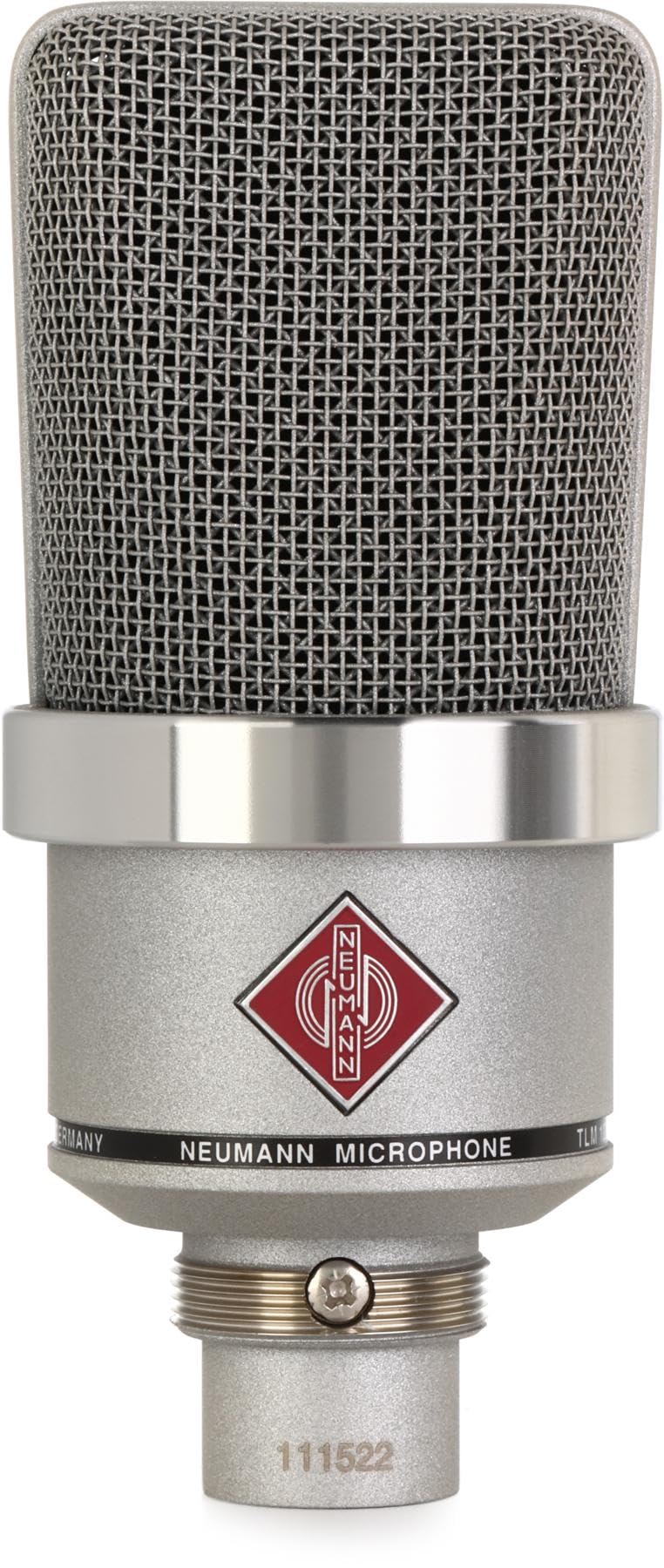
TLM 102
Compact condenser with clear presence.
KMS 104
Stage condenser with studio clarity.


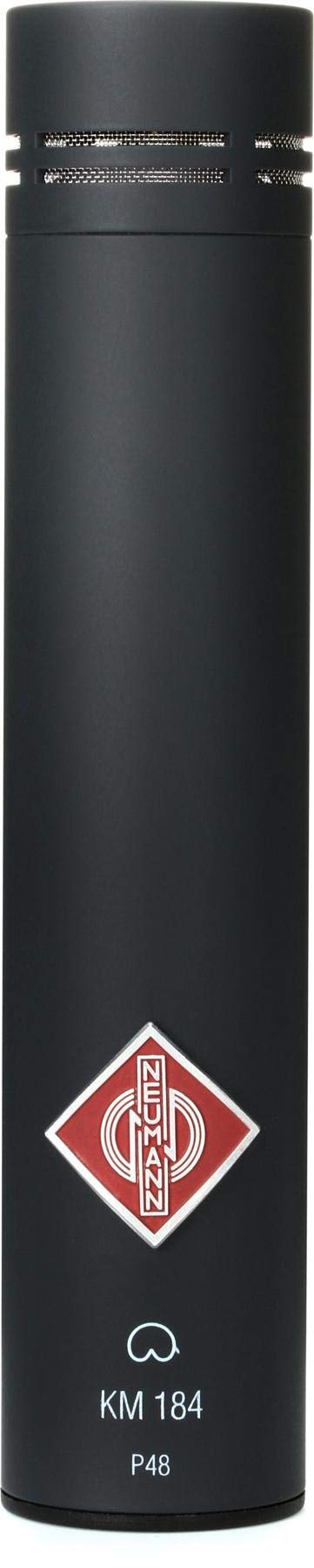
KM 184
Small-diaphragm condenser for ensembles.
Sony
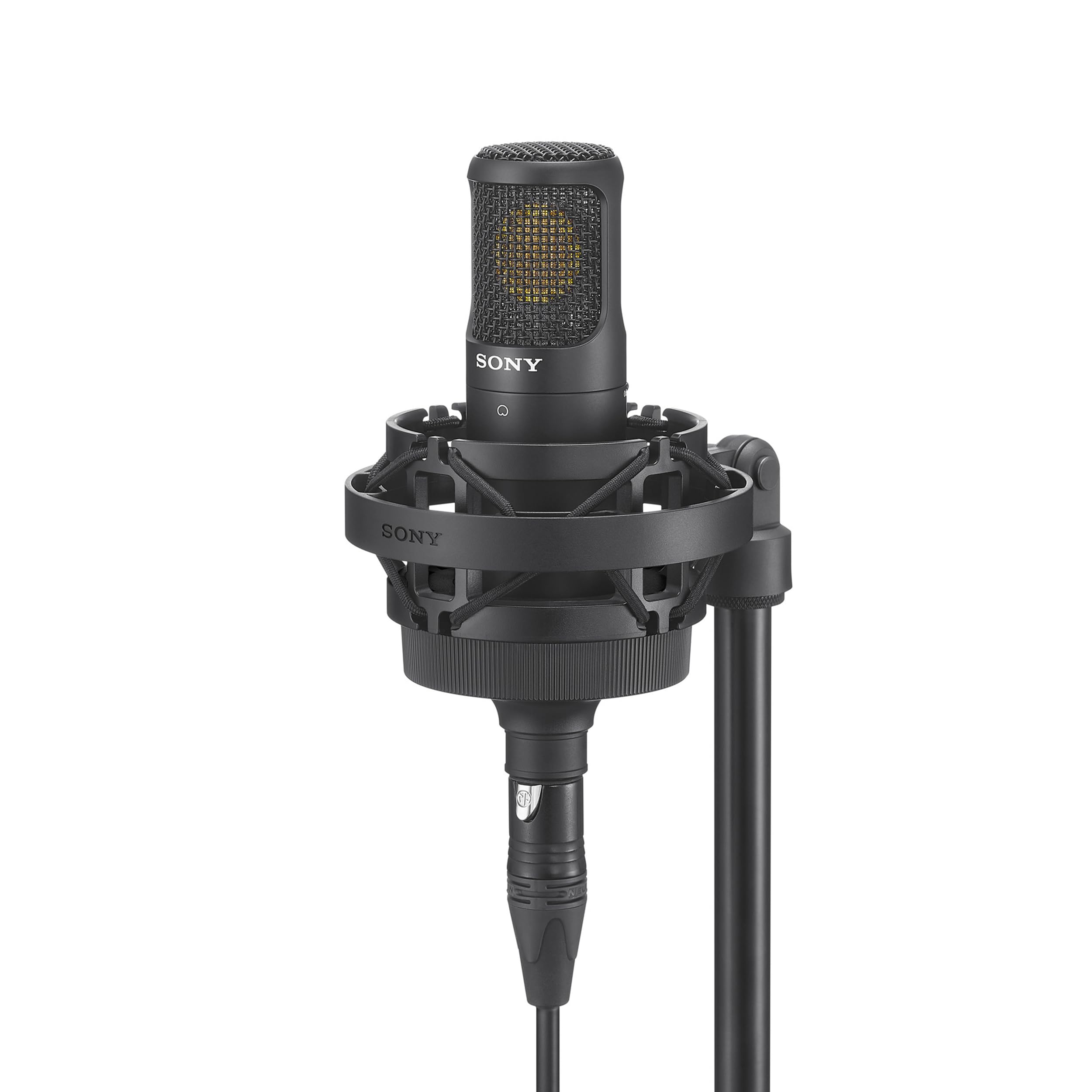
C-100
High-resolution condenser with extended frequency range.

C-80
Balanced condenser with controlled response.
ECM-77B
Professional lavalier mic for broadcast.

AKG
C414 XLII
Flagship multi-pattern condenser.

C214
Professional cardioid condenser.

P420
Multi-pattern condenser for versatility.

C3000
Warm condenser with smooth highs.

P120
Entry-level condenser.

Sennheiser
E965
Premium handheld condenser for live vocals.

Shure
BETA 87A
Super-cardioid condenser for stage vocals.

Behringer
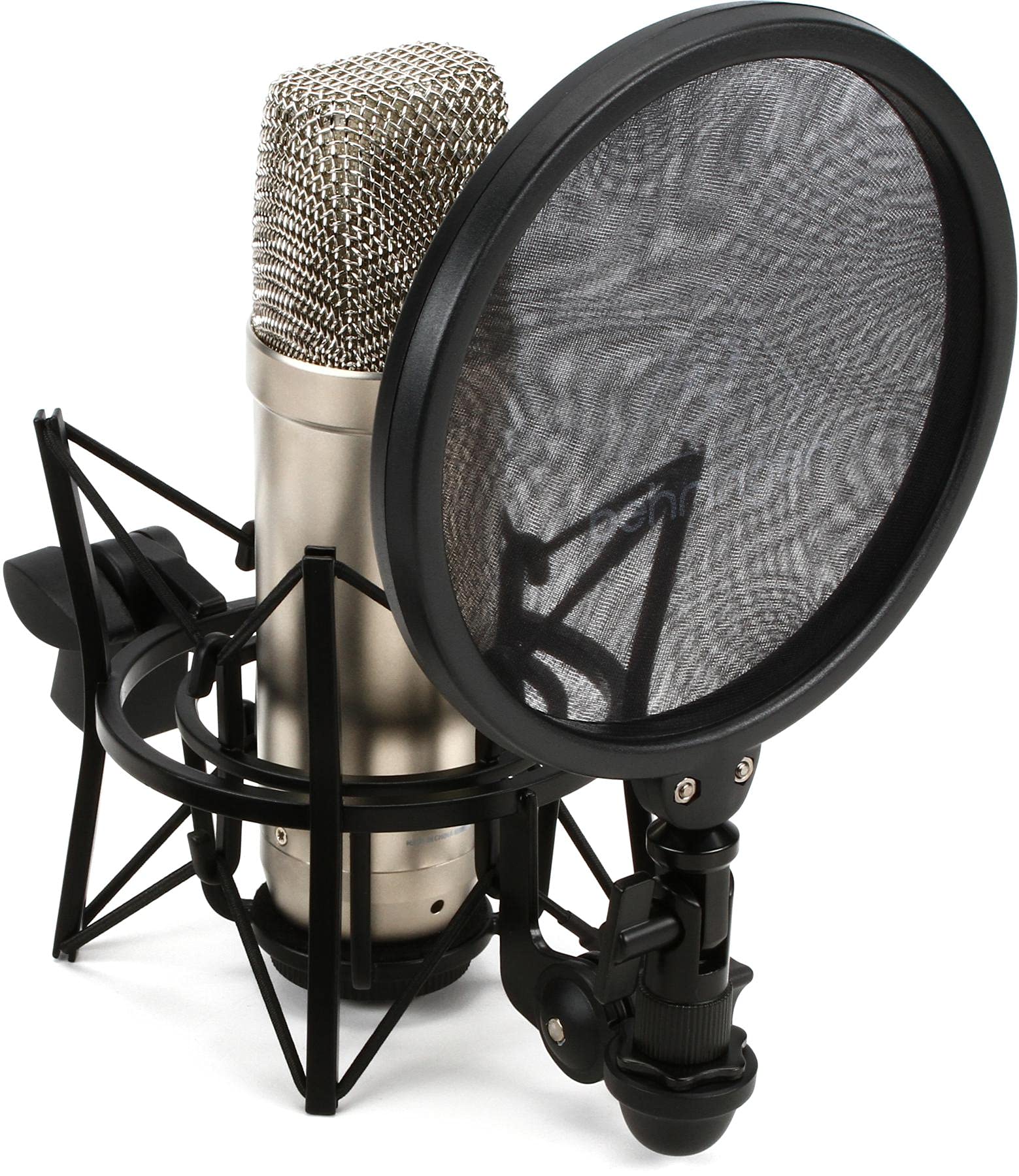
TM1
Complete starter bundle.
B-2 PRO
Multi-pattern budget condenser.

B-5
Compact condenser with capsules.

Behringer C-2 (Pair)
Matched pair of small-diaphragm condenser microphones designed for stereo recording of vocals, instruments, and ensembles in home studio setups.

Lewitt
LCT 440 PURE
Modern condenser with clean vocal sound.

LCT 240 PRO
Affordable condenser with clarity.

Austrian Audio
OC16
Neutral condenser for accurate capture.

Avantone
CK-6
Cardioid condenser for studio use.

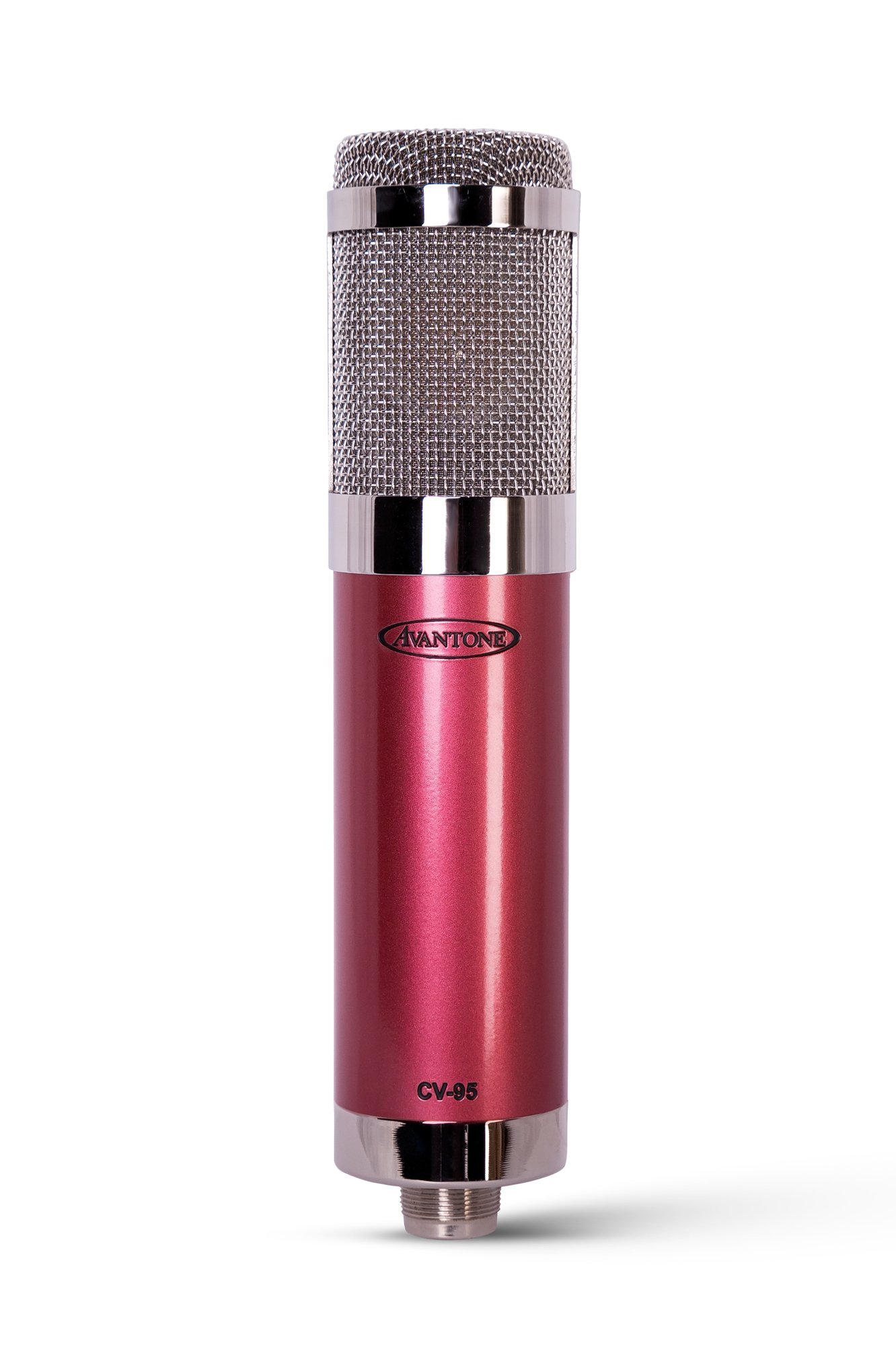
CV-12
Tube condenser with rich character.
Condenser Microphone Price Guide
What can you expect from entry-level condenser microphones? Entry-level condensers such as the Audio-Technica AT2020 provide an accessible route into studio recording, offering substantially greater sensitivity and detail than many built-in computer or mobile-device microphones. At this level, differences between models may include self-noise, sensitivity, maximum sound-pressure level (SPL), build quality and the smoothness of the frequency response. For singers and content creators, room acoustics and microphone placement can often make a greater difference than moving between similarly priced entry-level models.
What improves in the affordable and mid-range category? Models such as the Lewitt LCT 240 PRO and RØDE NT1-A offer increasingly refined options for home studios, vocal recording and spoken voice. Depending on the microphone, improvements may include lower self-noise, higher sensitivity, greater headroom, more consistent manufacturing and a frequency response designed to retain vocal detail without excessive noise. This category can provide excellent results when combined with a suitable audio interface, appropriate microphone technique and a reasonably controlled recording space.
What defines a professional condenser microphone? Microphones such as the Lewitt LCT 440 PURE, Austrian Audio OC16 and AKG C414 family offer professional specifications and construction for demanding recording applications. Depending on the model, advantages can include very low self-noise, high maximum SPL, carefully controlled polar response, greater dynamic range, pads and filters, or multiple polar patterns. At this level, microphone choice increasingly becomes a question of matching the microphone’s tonal and directional characteristics to the singer, instrument, room and recording technique rather than simply choosing the most expensive model.
What do you gain from high-end studio condensers? High-end microphones such as the Neumann TLM 103 and U 87 Ai are designed for professional recording environments where consistency, low noise, detailed reproduction and predictable performance are essential. Premium microphones may offer sophisticated capsule design, carefully engineered electronics, excellent quality control and established tonal characteristics familiar to recording engineers worldwide. Price alone, however, does not determine whether a microphone will suit a particular voice: room acoustics, microphone position, polar pattern and the relationship between singer and capsule remain fundamental.
Condenser vs Dynamic – Which Should You Choose?
When should you choose a condenser microphone? Choose a condenser when sensitivity, transient detail and nuanced reproduction are priorities. Condenser microphones are widely used for studio vocals, classical singing, acoustic instruments, voice-over and other applications where subtle changes in articulation, dynamics and timbre need to be captured. Many studio condensers require 48 V phantom power from an audio interface, mixer or microphone preamplifier, although some models use batteries, internal power systems or USB connections.
When is a dynamic microphone the better option? Dynamic microphones are often preferred for live performance, close-miked vocals, high sound-pressure levels and situations where durability and straightforward operation are important. A dynamic microphone does not automatically reject more room sound simply because it is dynamic: background and room pickup depend on factors including polar pattern, microphone sensitivity, source-to-microphone distance, gain, placement and the acoustic environment. Close working distances commonly used with dynamic vocal microphones can nevertheless produce a favourable ratio of direct voice to ambient sound in difficult rooms.
Which is better for vocal training and coaching? A condenser can be particularly revealing for vocal study because its sensitivity can capture fine changes in onset, articulation, dynamics, vibrato, breath noise and timbre. However, microphone recordings should complement rather than replace direct acoustic listening: microphone position, room reflections, frequency response and proximity effect can all alter the recorded impression of a voice.
How to Choose the Right Condenser Microphone
What is best for daily practice, lessons and home recording? Large-diaphragm cardioid condensers such as the Audio-Technica AT2020 or Lewitt LCT 240 PRO provide a straightforward starting point for regular vocal recording. Before upgrading the microphone, consider the complete signal chain: microphone position, pop filter, room treatment, audio interface, preamplifier gain, monitoring and recording level all influence the final result.
What specifications matter most for vocal recording? Important specifications include self-noise, sensitivity, maximum SPL, dynamic range, polar pattern and frequency response. Self-noise becomes especially relevant when recording quiet sources or at greater distances, while maximum SPL indicates how much acoustic level the microphone can accommodate before specified distortion limits are reached. Frequency-response graphs can reveal broad tonal tendencies, but they do not by themselves predict how a microphone will sound on a particular singer.
Should you choose a large- or small-diaphragm condenser? Large-diaphragm condensers are particularly common for solo studio vocals because they combine high sensitivity with the tonal characteristics traditionally associated with close vocal recording. Small-diaphragm condensers are widely used where consistent off-axis response, accurate transient reproduction and flexible placement are important, including acoustic instruments, ensembles, stereo recording and some classical applications. Neither diaphragm size is inherently superior; the appropriate choice depends on the source and recording technique.
Should you choose cardioid or multi-pattern? Cardioid is sufficient for many solo vocal recordings because it emphasises sound arriving from the front while reducing pickup from the rear. Multi-pattern microphones such as the AKG C414 provide additional options including omnidirectional and figure-eight operation, allowing engineers to experiment with room sound, proximity effect, multiple performers and stereo techniques. The acoustics of the room become particularly important when using less directional patterns.
Does a condenser microphone need phantom power? Most professional XLR condenser microphones require power for their internal electronics, commonly supplied as 48 V phantom power by an audio interface, mixer or microphone preamplifier. There are exceptions, including tube microphones with dedicated power supplies, battery-powered condensers and USB microphones with their own electronics. Always check the requirements of the individual microphone before connecting it.
Best Microphones by Recording Scenario
Which condenser microphones suit classical or operatic recording? Classical and operatic voices require substantial headroom and careful control of microphone distance because acoustic output can change dramatically across a phrase. Models such as the Neumann TLM 103, Austrian Audio OC16 and AKG C414 XLII can provide the sensitivity and dynamic capability required for detailed vocal recording. For classical repertoire, positioning the microphone farther from the singer can produce a more natural balance between direct sound and room acoustics than very close microphone techniques.
What is best for home studio vocal recording? The Lewitt LCT 440 PURE and RØDE NT1-A are practical choices where low self-noise and detailed vocal capture are priorities. In untreated or semi-treated rooms, however, a sensitive condenser will also reproduce reflections, computer noise, traffic and other environmental sound. Strategic microphone placement, absorption and a shorter source-to-microphone distance can therefore be as important as the microphone itself.
Which condenser microphones work well for spoken voice, podcasting and content creation? Models such as the Audio-Technica AT2020, RØDE NT1-A and Lewitt LCT 240 PRO can capture articulate, detailed speech for voice-over, podcasting, online teaching and video production. For spoken voice, consider plosive control, mouth-to-microphone distance, proximity effect, room reflections and consistent microphone position as well as the microphone’s nominal frequency response.
What should you use for live vocals? Handheld condenser microphones such as the Neumann KMS 104, KMS 105 and Sennheiser e 965 are designed specifically for stage use, combining condenser sensitivity with directional patterns and construction suited to live performance. Stage condensers require careful attention to monitor placement, feedback control and polar pattern, particularly on loud stages.
Quick Microphone Recommendations
What is a classic professional studio condenser? The Neumann U 87 Ai is one of the most established large-diaphragm condenser microphones in professional recording and is valued for its multi-pattern versatility and familiar studio character. It is not automatically the best microphone for every singer, but its long-standing use across vocals, speech and instruments makes it an important reference point when comparing professional condensers.
What is a strong-value professional condenser? The Lewitt LCT 440 PURE combines low self-noise, high sensitivity and substantial maximum SPL capability in a comparatively accessible professional microphone. It is particularly attractive for singers and home-studio users who want detailed condenser capture without moving immediately into flagship studio pricing.
What is a strong entry-level condenser? The Audio-Technica AT2020 is a widely used entry point into XLR condenser recording, offering straightforward cardioid operation for vocals, instruments and home studios. Its greatest advantage is simplicity: paired with a suitable audio interface and sensible room treatment, it provides a practical foundation from which to learn microphone technique.
Microphones by Voice Type
What works well for soprano voices? Rather than choosing a microphone solely because a singer is a soprano, consider the individual balance of brilliance, warmth, sibilance and upper harmonics. Condensers with a smooth and controlled upper-frequency response can be useful when a voice already carries substantial brilliance. Microphone distance and axis can also be adjusted to manage excessive brightness without sacrificing detail.
What works well for tenor voices? Tenor voices can combine substantial upper-midrange energy with strong harmonic content, particularly in classical and operatic singing. Models such as the Neumann TLM 103 and Lewitt LCT 440 PURE can provide detailed capture, but the best choice depends on the individual voice. Placement is especially important: moving slightly off-axis or increasing distance can alter the balance between brilliance, presence and body.
What works well for baritone or bass voices? For lower voices, clarity through the low-midrange can be more important than simply choosing a microphone described as “warm.” Microphones such as the AKG C414 and RØDE NT1-A can provide detailed vocal capture, while careful distance management helps control proximity effect and excessive low-frequency build-up. Room modes can also strongly affect the recorded bass and baritone spectrum.
What works well for spoken voice? The Lewitt LCT 240 PRO and Audio-Technica AT2020 are practical choices for clear spoken-word recording, but microphone technique remains crucial. Close positioning increases the ratio of direct voice to room sound but can also increase proximity effect and plosives with directional microphones. A pop filter, consistent distance and appropriate off-axis positioning can produce a more controlled result.
Does voice type determine which condenser microphone you should choose? Not by itself. Voice types such as soprano, tenor, baritone or bass can provide useful context, but microphone selection should ultimately be based on the individual voice, timbre, repertoire, recording distance, room acoustics and desired sound. Two singers with the same voice classification can sound very different through the same microphone.
FAQ – Condenser Microphones
Which microphone is best for classical singing? Transparent, low-noise condensers such as Neumann TLM 103, Neumann U87 Ai, Austrian Audio OC16, and AKG C414 XLII are widely used for their natural response and dynamic accuracy.
Do condenser microphones require phantom power? Yes. Most condenser microphones require 48V phantom power supplied by an audio interface or mixer.
Are condenser microphones suitable for untreated rooms? They can be used, but they will capture room reflections more easily. Basic acoustic treatment or careful positioning improves results significantly.
How close should you sing into a condenser microphone? Typically 15–25 cm, depending on the microphone and vocal intensity. Closer distances increase warmth due to proximity effect.
Explore Related Equipment
- Dynamic Microphones for Singing
- Audio Interfaces for Vocal Recording
- Wireless Microphones for Singing & Speaking
- Studio Headphones for Vocal Monitoring
As an Amazon Associate, I earn from qualifying purchases. Product details, pricing, and safety information are provided directly by Amazon.
© All content on this page is original and protected under copyright law. Reproduction or duplication is not permitted.
