Best Vocal Technique Books to Buy in 2026

Professional studio microphone on dark background

Vocal Technique Books for Singers

Explore carefully selected vocal technique books for singers, vocal coaches, and performers in London and across the UK. Compare classical bel canto methods, contemporary voice training systems, breathing techniques, resonance development, and practical exercises designed to improve tone, control, stamina, and long-term vocal consistency.

Complete your training setup:

Pop & Contemporary Singing

Modern vocal technique thrives on flexibility, clarity, and stylistic authenticity across pop, R&B, musical theatre, and contemporary genres

This category explores vocal technique methods designed to improve breath support, mix voice coordination, vocal range, riff agility, resonance balance, and microphone technique for modern singers and performers. These books cover practical approaches to strengthening chest and head voice connection, smoothing the passaggio, improving vocal stamina, and developing greater vocal consistency across contemporary styles. You’ll also find methods focused on phrasing, airflow control, studio recording, live performance preparation, and long-term vocal development. Read more

POP TECHNIQUE • BEGINNER FRIENDLY • MIX VOICE • RANGE & CONTROL • MODERN VOCAL TRAINING

Set Your Voice Free by Roger Love

Roger Love is one of the best-known contemporary voice coaches across the UK and US, and this book shows why. He breaks vocal training into clear, bite-sized steps so beginners and professionals can both make fast, safe progress. You’ll learn how to align posture and breath, release jaw and tongue tension, and place resonance for a brighter, healthier tone. Practical drills help you smooth your passaggio and extend range without strain, whether you sing pop, R&B, musical theatre, or speak for work. Love includes warm-ups that target pitch accuracy and stamina so you can rehearse efficiently between lessons. There’s guidance on creating emotional connection with audiences and developing stage presence that looks natural rather than forced. Studio tips explain how to adapt technique for microphones and in-ears, avoiding the common problem of “over-singing.” The writing is conversational and motivating, ideal if you want a friendly but structured method. Readers in the UK and US will appreciate the real-world examples drawn from touring, sessions, and media appearances. If you need a single volume to jump-start consistency, confidence, and ease, this is a smart first choice. Read more

VOCAL HEALTH • STAMINA & RECOVERY • PERFORMANCE TRAINING • TOURING SINGERS • SCIENCE-BASED

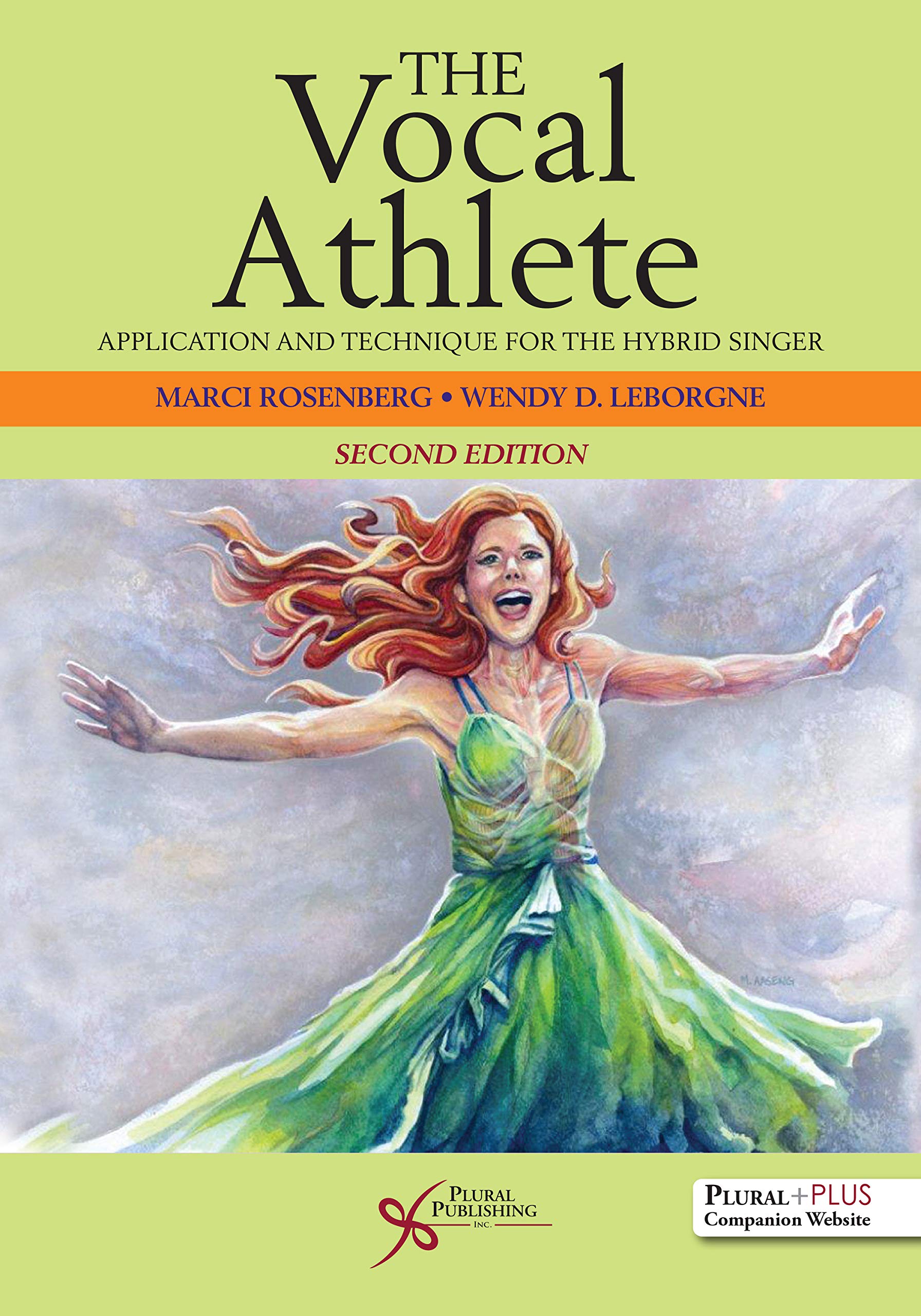
The Vocal Athlete by Wendy D. LeBorgne

This evidence-based manual is written for performers who treat their voice like an athlete treats their body. It connects vocal load, recovery, and conditioning with clear, science-informed routines. You’ll learn how hydration, sleep, and warm-downs protect the vocal folds during heavy rehearsal or touring. Detailed chapters demystify breath mechanics, resonance strategies, and acoustic tuning so you can self-correct between lessons. Clinical insights help you recognise early signs of fatigue and avoid pushing through unhealthy sensations. The book includes progressive exercises that build endurance for long sets and doubles. There’s also practical advice for microphones, monitoring, and venue acoustics to keep technique stable on stage. Teachers and coaches in the UK and US use this text to design sustainable practice plans for students at all levels. The tone is professional yet accessible, with charts and checklists you can implement immediately. If you’re seeking longevity, resilience, and reliable performance under pressure, this is a gold-standard resource. Read more

MIX VOICE • PASSAGGIO CONTROL • RANGE EXTENSION • POP TRAINING • VOCAL CONSISTENCY

Singing for the Stars by Seth Riggs

Seth Riggs’s approach is famous for creating a seamless mix across registers without audible breaks. The book explains how to balance airflow and cord closure so high notes feel easy rather than forced. Carefully sequenced exercises help you navigate chest, mix, and head with consistent resonance. You’ll train vowel shapes and onset timing to eliminate the “gear shift” that causes cracks. The audio drills are short, repeatable, and perfect for daily practice or lesson follow-up. Riggs also covers diction and articulation so clarity never sacrifices tone. There’s guidance for recording sessions, including how to keep warmth at low volumes on the microphone. Many UK and US artists have used this method to stabilise tone under touring conditions. The text is concise, but the technique is deep and transferable across genres. If you want practical steps to range, control, and reliability, this classic remains highly effective. Read more

VOICE FUNDAMENTALS • BREATH & POSTURE • RESONANCE TRAINING • BEGINNER FRIENDLY • ALL STYLES

The Voice Book by Kate DeVore & Starr Cookman

This is a friendly, plain-English guide that gives you solid technique without jargon. It starts with posture and breath, then moves to resonance, diction, and projection for both singing and speaking. You’ll learn how to develop colour in the tone while keeping the larynx free from unnecessary tension. Practical warm-ups target common issues like nasality, swallowed vowels, and breathy onsets. There’s smart coverage of performance anxiety and how to build confident stage presence. The book shows you how to practice efficiently in short sessions, perfect for busy professionals. Clear diagrams and checklists make at-home training simple to follow. UK and US readers will appreciate the advice for audition rooms, corporate stages, and studio contexts alike. The tone is supportive and realistic, encouraging steady progress rather than quick fixes. Ideal if you want a comprehensive, approachable handbook for lasting vocal improvement. Read more

POWER VOCALS • RANGE EXTENSION • VOCAL STRENGTH • ROCK & CONTEMPORARY • STAMINA TRAINING

Raise Your Voice by Jaime Vendera

Designed for powerful contemporary styles, this method focuses on strength, stamina, and projection. Vendera explains how to generate intensity safely by coordinating breath support and cord closure. You’ll find targeted drills for range extension, vocal distortion effects, and long-note endurance. The practice structure is disciplined, with clear daily and weekly routines to follow. There’s advice on hydration, recovery, and lifestyle choices that support louder singing without damage. The book also explores live sound, microphones, and monitoring so your technique holds up on stage. Mental rehearsal strategies help you deliver confident performances under pressure. Rock and metal singers across the UK and US often cite this text for building reliable power. Even if you perform in pop or theatre, the stamina work is extremely useful. If your goal is bigger sound with healthy technique, this program lays out a rigorous, step-by-step path. Read more

VOICE TRAINING • PROJECTION & CONTROL • DAILY EXERCISES • MULTI-STYLE • PERFORMANCE SKILLS

This is a Voice – 99 Exercises to Train, Project, and Harness the Power of Your Voice

This Voice offers 99 step-by-step exercises designed to unlock the full potential of your voice, whether you sing pop, jazz, or simply want to speak with more power and clarity. Written by leading vocal coaches Jeremy Fisher and Gillyanne Kayes, it blends breathing drills, projection techniques, and creative style work — even exploring beatboxing. A versatile guide for singers, speakers, and performers looking to build confidence and expressive control. Read more

Riffs, Runs & Jazz Improvisation

Agility, rhythmic precision, and melodic freedom define expressive vocal improvisation in jazz, gospel, and R&B styles

This section highlights books that train the ear, develop rhythmic feel, build melismatic control, and expand your creative vocabulary through structured improvisation These resources break riffs and runs into patterns you can learn, adapt, and personalise. You’ll explore rhythmic cells, scale fragments, call-and-response drills, phrasing techniques of master improvisers, and harmonic awareness for confident singing over chords. The aim is stylistic fluency — swing, syncopation, gospel inflections, blues articulation — and translating theory into expressive, spontaneous musical ideas Read more

JAZZ TECHNIQUE • SCAT IMPROVISATION • RHYTHM & TIMING • EAR TRAINING • PERFORMANCE SKILLS

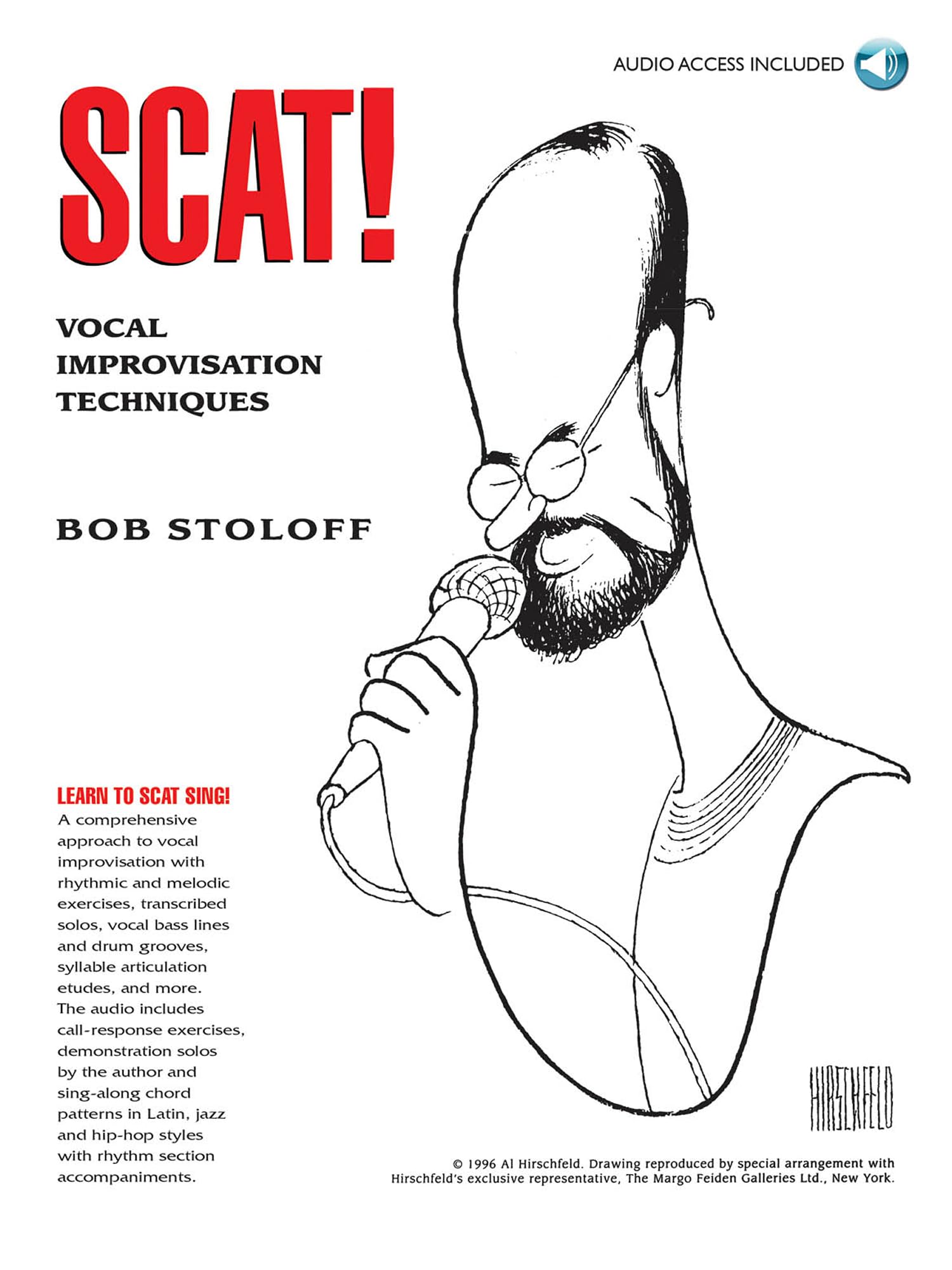
Scat! Vocal Improvisation Techniques by Bob Stoloff

Bob Stoloff is a world-respected educator who makes jazz improvisation feel structured and learnable. He breaks scat into rhythm, articulation, and syllable choices so you can build phrases with intention. Exercises guide you from simple call-and-response to more adventurous melodic shapes. You’ll practice time feel, swing, and syncopation to sit comfortably with a rhythm section. There’s strong emphasis on ear training so you can react musically in real time. The book also covers tone colours and how consonant choices change groove and clarity. Backing patterns and transcription ideas help you absorb the jazz language quickly. UK and US singers will value the practical approach for jam sessions, conservatoire work, or gigging. It’s equally helpful for pop and gospel vocalists wanting cleaner riffs and agility. If improvisation feels mysterious, this book gives you a clear roadmap and daily routine. Read more

CONTEMPORARY TECHNIQUE • POP R&B JAZZ • DAILY PRACTICE • RANGE & FLEXIBILITY • PERFORMANCE CONTROL

Vocal Workouts for the Contemporary Singer by Anne Peckham

From Berklee Press, this is a versatile workout book for modern vocalists. Warm-ups target breath flow, resonance tuning, and pitch stability before moving into style variations. You’ll train vibrato control, riff accuracy, and register blending for pop, R&B, and jazz. Peckham structures practice so you develop strength without losing flexibility or brightness. The audio materials provide reference models for tone, rhythm, and phrasing. There’s thoughtful guidance on microphone technique and how to adapt to different rooms. Practical tips address maintaining vocal health during busy gig weeks. UK and US readers will appreciate its relevance for auditions, sessions, and live band work. Teachers use it to scaffold lessons across beginner to advanced levels. If you want a reliable, progressive workout plan, this is one of the best all-round options. Read more

IMPROVISATION TECHNIQUE • JAZZ R&B GOSPEL • RIFFS & RUNS • EAR TRAINING • STYLE CONTROL

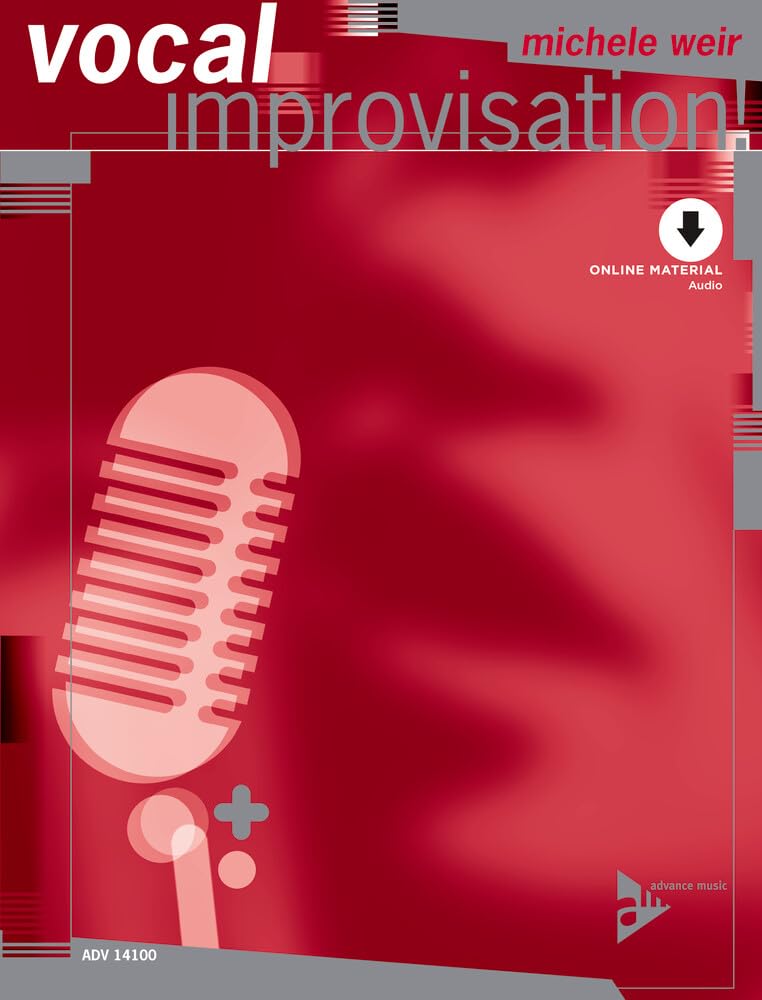
Vocal Improvisation: Techniques in Jazz, R&B and Gospel by Michele Weir

Michele Weir is a renowned arranger, educator, and jazz vocalist whose teaching bridges the gap between technical skill and stylistic authenticity. In this book, she guides singers through the process of developing riffs, runs, and improvised lines in jazz, R&B, and gospel styles. You’ll learn how to use melodic motifs, scale fragments, and rhythmic variations to create tasteful, spontaneous embellishments. The exercises start with simple call-and-response drills and build toward complex phrases that work in both live and studio settings. Weir also covers chord tone targeting, modal improvisation, and how to adjust your tone and vibrato for each genre. The included examples are practical for jam sessions, church performances, or jazz ensembles. Singers in the UK and US will appreciate the balance between music theory and ear-led creativity. Each concept is paired with clear audio examples so you can hear, imitate, and personalise the ideas. Whether you’re refining a gospel melisma or adding jazz inflection to a standard, this book provides a rich vocabulary to draw from. It’s a resource that encourages freedom without losing musical clarity. Read more

JAZZ VOCAL TECHNIQUE • SWING & PHRASING • AUDITIONS & PERFORMANCE • HARMONIC AWARENESS • STYLE MASTERY

The Jazz Singer’s Handbook (Book & CD) — Michele Weir

Michele Weir’s The Jazz Singer’s Handbook is both a practical workbook and an artistic guide to mastering jazz vocal performance. Culled from her experience as an arranger, pianist, and clinician, the book balances inspiration with technique across two key sections: vocal artistry and technical fundamentals. You’ll find a jazz chord library, essential terminology, and clearly explained fundamentals to ground your singing in harmonic awareness. The included CD (or online audio) offers sing-along tracks to model phrasing, swing feel, and stylistic nuance, many in two keys to match a wide range of voices. Tracks pair with written examples so singers can internalise arrangement ideas and phrasing in real time. It also includes arranging tips and a resource guide to help singers build their own set lists and jam with instrumentalists. UK and US vocal students will find this resource invaluable for conservatoire auditions, jazz ensemble rehearsals, or self-directed learning. With its blend of musical substance and performative insight, this book bridges the gap between theory and expression. A must-have toolkit for anyone serious about jazz singing and stylistic fluency. Read more

BLUES IMPROVISATION • SCAT TECHNIQUE • GROOVE & PHRASING • JAM SESSIONS • STYLE FLEXIBILITY

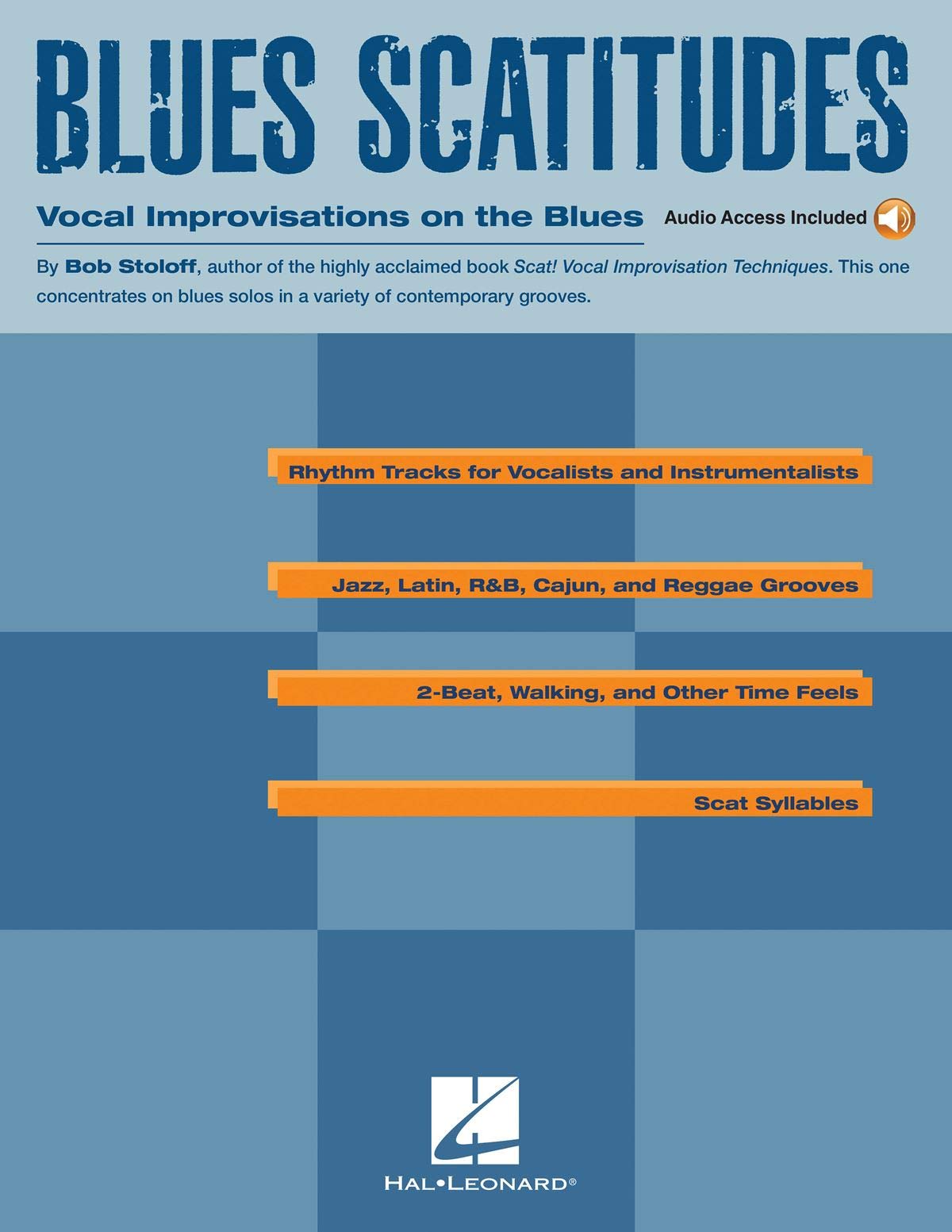
Blues Scatitudes Vce Book/Cd-R: Vocal Improvisations On The Blues Paperback – MP3 Audio

Blues Scatitudes: Vocal Improvisations on the Blues by Bob Stoloff is a highly regarded guide for singers who want to expand their improvisational vocabulary. Drawing from his extensive experience as a Berklee professor and jazz vocalist, Stoloff presents a collection of exercises that focus on phrasing, accents, articulation, and groove. The book is designed not just for jazz singers but also for vocalists exploring gospel, R&B, and contemporary styles, making it a versatile resource. A unique feature is the included CD-ROM with 51 MP3 rhythm tracks, allowing singers to practice improvisation in authentic performance contexts. These tracks encourage both solo and group explorations, helping vocalists build confidence and flexibility. The clear, progressive structure makes the material accessible for developing singers, while still offering depth for advanced performers. With its strong reviews and practical exercises, Blues Scatitudes has become a go-to text for singers aiming to master scat and blues improvisation. It stands out as one of the most effective tools for bridging vocal technique with creative expression. Read more

CHROMATIC TECHNIQUE • JAZZ HARMONY • ADVANCED IMPROVISATION • VOICE LEADING • LINE DEVELOPMENT

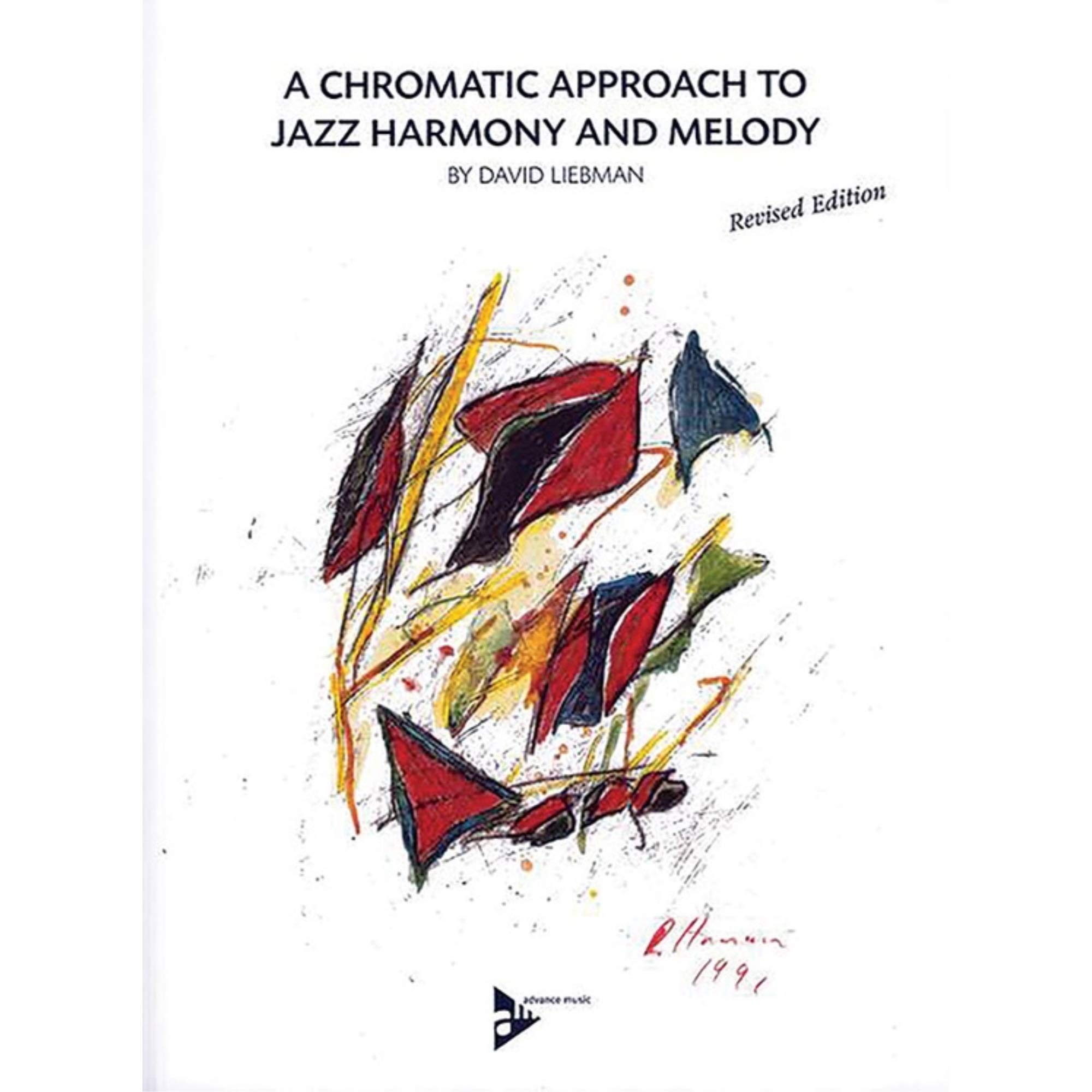
A Chromatic Approach to Jazz Harmony & Melody by David Liebman

Widely respected among improvisers, David Liebman’s A Chromatic Approach to Jazz Harmony & Melody is an advanced guide to building lines that go beyond diatonic riffs. Aimed primarily at improvisers, it’s highly valuable for jazz vocalists who want to hear and sing richer colours with confidence. Liebman organises chromatic ideas—enclosures, approach tones, upper-structure tensions, side-slipping, and intervallic cells—into a clear practice pathway you can apply to standards or original tunes. You’ll learn how to connect guide tones through voice-leading so runs sound logical instead of random. The book includes 100 solo lines and 100 chord voicings for ear training, transcription, and call-and-response practice. Singers can adapt the lines on neutral syllables, then add lyrics or scat syllables once the shapes feel natural. Practical tips cover sequencing, motif development, and transposition so you can move material to any key for gigs in the UK, US, and beyond. Use it with a keyboard or backing tracks to stabilise intonation while exploring chromatic colours against the harmony. The writing assumes basic familiarity with jazz theory, making this a perfect “next step” after method books by Stoloff or Weir. If you’re ready to upgrade from tasteful diatonic runs to sophisticated, harmonically grounded improvisation, this text will stretch and refine your vocabulary. Read more

Classical Vocal Exercises

Bel canto training focuses on breath-led phrasing, resonance balance, legato, and expressive control across a unified vocal line.

This category presents the time-honoured methods that refine tone, agility, vowel balance, and stylistic discipline through structured vocalises These exercises cultivate seamless registration, even scale work, expressive dynamics, and the elegant shaping of Italianate phrasing. Many of these books form the foundation of conservatoire training, offering progressive, daily practice routines for long-term technical development. Whether preparing arias, exams, auditions, or recital repertoire, these classical vocalises build the reliable framework that supports advanced artistic expression Read more

BEL CANTO TECHNIQUE • LEGATO TRAINING • CONSERVATOIRE STUDY • BREATH & RESONANCE • VOCAL CONTROL

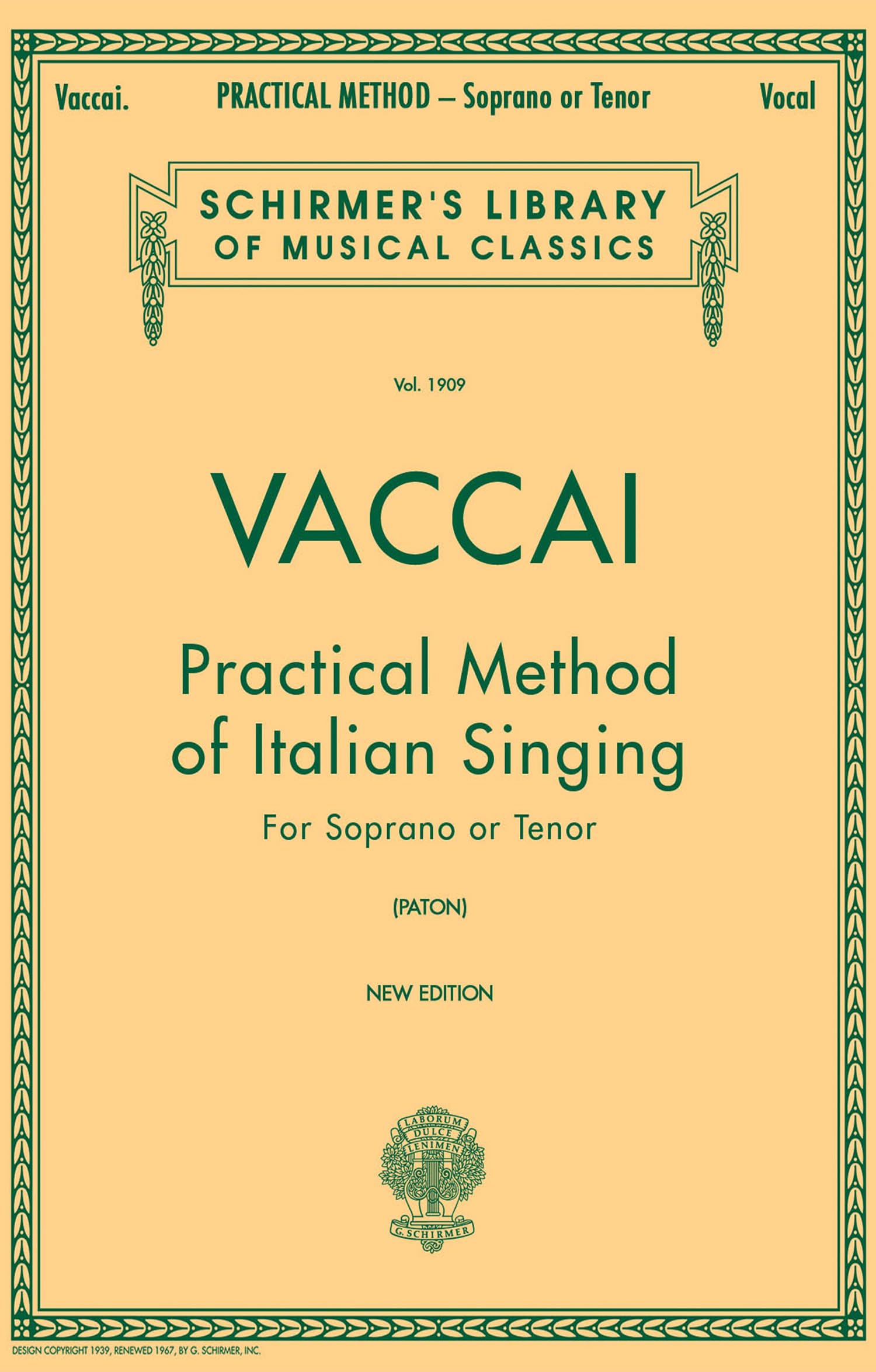
Vaccai – Practical Method of Italian Singing

Vaccai’s method is a cornerstone of bel canto training for good reason. The melodic studies cultivate legato, breath connection, and vowel purity from the very first pages. You’ll learn to shape phrases with natural Italian prosody and clean consonants. The progression is gentle but precise, guiding you toward even tone across registers. It strengthens musicality as much as mechanics, which is why teachers keep returning to it. Practising these pieces daily builds reliability for lessons, exams, and auditions. The repertoire is short enough to memorise, perfect for focus on line and resonance. UK and US conservatoires still use Vaccai to unify classically trained voices. It pairs beautifully with Concone and Marchesi for a complete daily routine. If you want elegant legato and breath-led phrasing, start here and revisit often. Read more

BEL CANTO TECHNIQUE • AGILITY TRAINING • PASSAGGIO CONTROL • LEGATO & INTONATION • CLASSICAL STUDY

Panofka – 24 Vocalises

Panofka offers lyrical studies that develop agility without sacrificing beauty of tone. The writing encourages clean onset, aligned vowels, and precise interval work. You’ll practise turning phrases with buoyant breath rather than throat effort. Short, repeatable patterns make it easy to track progress week by week. The musicality invites expression, preparing you for arias and concert repertoire. Teachers favour Panofka to refine legato through moving passages. It’s excellent for smoothing the passaggio and stabilising intonation in quick lines. UK and US singers use it alongside Vaccai to balance technique with artistry. The difficulty rises gradually, keeping motivation high for home practice. If your goal is graceful flexibility and elegant line, this collection earns a permanent place on the stand. Read more

BEL CANTO TECHNIQUE • COLORATURA AGILITY • EXAM PREPARATION • RANGE & STAMINA • STRUCTURED TRAINING

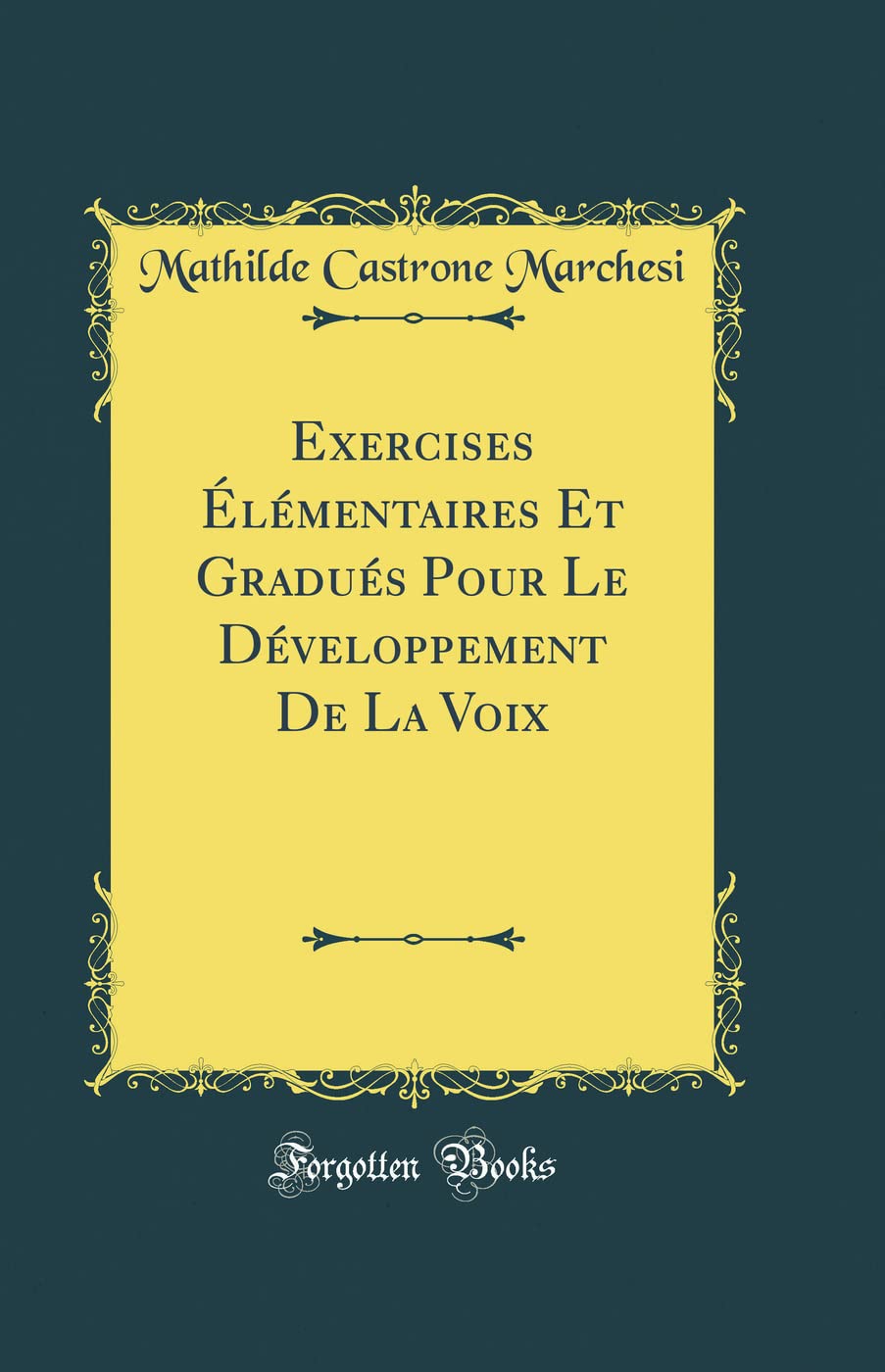
Marchesi – 20 Elementary and 12 Advanced Vocalises

Marchesi provides a complete pathway from foundation to virtuosity. The Elementary set builds reliable breath flow, steady tone, and even scales. The Advanced studies add ornamentation, agility, and range with refined control. Each vocalise targets specific skills, so practice stays focused and efficient. You’ll learn to coordinate legato with articulation, a key for bel canto and beyond. The repertoire readies you for coloratura passages and expressive cadenzas. Teachers value Marchesi for its clear sequencing and visible weekly gains. In the UK and US, it remains a standard for graded exams and conservatoire prep. Combine a few studies daily for balance across stamina, flexibility, and intonation. If you want disciplined progress you can measure, this is a dependable method. Read more

VOCAL TECHNIQUE • BEL CANTO SCIENCE • PEDAGOGY STUDY • BREATH & RESONANCE • TONE CONTROL

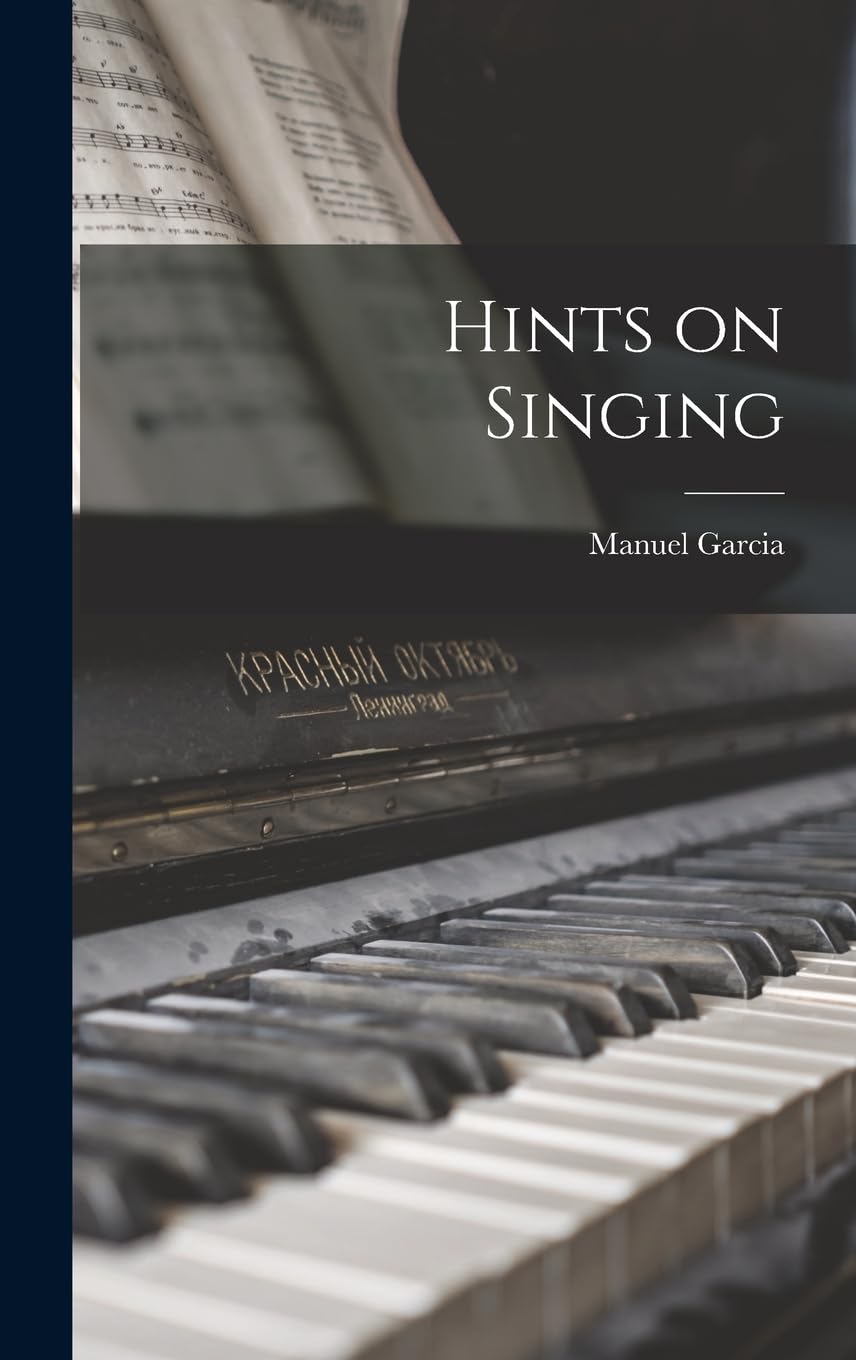
Garcia – Hints on Singing

Manuel Garcia’s concise treatise distils core principles that still guide modern pedagogy. He clarifies breath management, onset types, and vowel alignment with remarkable precision. The text explains how sensation and acoustics work together to create resonance. You’ll gain tools to diagnose common issues like pressed phonation or airy tone. Garcia also discusses agility and register balance without mystifying the process. The writing is practical, aimed at real singers solving real problems. Short exercises translate ideas into daily habits that stick. UK and US teachers continue to assign this for its clarity and historical insight. Reading it alongside your technical work sharpens focus and vocabulary. If you want a compact guide from one of the greats, this is essential reading. Read more

BEL CANTO TECHNIQUE • LEGATO PHRASING • RECITAL PREPARATION • RESONANCE & CONTROL • MUSICAL EXPRESSION

Concone – 50 Lessons for Medium Voice

Concone’s studies are melodic, memorable, and perfect for cultivating expressive legato. Each lesson reinforces breath-led phrasing and consistent resonance placement. The writing encourages natural rubato and tasteful dynamics within a supported line. You’ll practise shaping vowels across intervals so the tone stays even. The pieces are short enough to repeat for mastery without fatigue. Many teachers assign them as “musical warm-ups” before arias. They pair especially well with Vaccai to balance technique and artistry. Singers in the UK and US use Concone for recital prep and exam boards. The material scales elegantly from intermediate to advanced with interpretive depth. If you want musical refinement baked into your daily routine, Concone delivers beautifully. Read more

Books by Operatic Singers

The greatest operatic voices offer insights that blend technique, artistry, discipline, and the lived experience of the stage

This category shares perspectives from iconic singers whose careers shaped the operatic world, revealing practical wisdom on breath, resonance, style, and performance psychology These writings illuminate how legendary artists approached daily technical work, interpretation, high-note strategy, diction, stage presence, and emotional truth in performance. Readers gain access to decades of professional experience — navigating repertoire, rehearsals, vocal health, touring, and artistic identity. These books offer irreplaceable mentorship through first-hand accounts and deeply considered reflections on the craft of singing Read more

BEL CANTO ARTISTRY • OPERA PERFORMANCE • STAGE EXPERIENCE • LEGATO & EXPRESSION • ARTISTIC INSIGHT

Pavarotti: My World

This memoir offers a generous portrait of Luciano Pavarotti’s artistry and life on stage. He reflects on teachers, roles, and partnerships that shaped his singing. You’ll glimpse how he balanced warmth of tone with clarity of diction in Italian repertoire. Stories from rehearsals and tours reveal a disciplined yet joyful approach to craft. He discusses practice habits that kept the voice fresh during demanding seasons. There are insights into phrasing, legato, and emotional truth in performance. The writing captures the charisma and humanity audiences felt worldwide. UK and US readers will appreciate accounts of landmark debuts and media appearances. It’s inspiring without being remote, reminding singers that technique serves communication. If you want artistic perspective from a giant of opera, this is a rewarding read. Read more

Sale
BEL CANTO TECHNIQUE • OPERA PERFORMANCE • PROFESSIONAL INSIGHT • LEGATO & BREATH • ARTISTIC DEVELOPMENT

Pavarotti – An Autobiography: My Own Story

Pavarotti’s autobiography is candid, detailed, and full of practical wisdom. He traces his journey from Modena to the world’s leading stages with warmth and humour. Crucially, it includes an outstanding chapter on technique and interpretation that singers return to often. You’ll read how he thought about breath, legato, and the arc of an aria. The reflections on vowels, phrasing, and high notes are unusually concrete. There’s also a strong sense of artistic values—kindness, joy, and generosity in music-making. Stories of mentors and colleagues show how collaboration shapes excellence. UK and US opera fans will enjoy behind-the-scenes glimpses of legendary performances. The prose is approachable, making complex ideas feel human and useful. For students and professionals alike, it’s a masterclass on the page. Read more

DRAMATIC TENOR TECHNIQUE • VERDI & VERISMO • ROLE PREPARATION • PHRASING & BREATH • PERFORMANCE INTENSITY

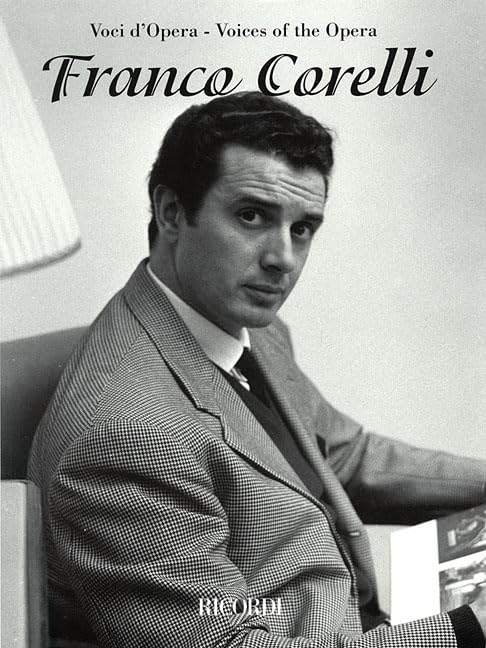
Franco Corelli – Voices of the Opera

This Ricordi volume from the Voices of the Opera series presents eleven arias closely associated with Franco Corelli’s legendary tenor repertoire. Carefully edited with interpretive notes by Paolo Rossini, the book highlights the phrasing, breath placements, fermatas, and expressive nuances that shaped Corelli’s distinctive style. Each aria reflects the dramatic intensity and vocal brilliance that made Corelli one of the most celebrated Italian tenors of the twentieth century. Singers can study melodic variants, articulation choices, and musical details that illuminate how Corelli approached these iconic roles on stage. Alongside the scores, the edition includes a concise biography and commentary on Corelli’s artistic legacy. The repertoire spans major operatic works by composers such as Verdi, Giordano, and Bizet, offering valuable insight into the dramatic tenor tradition. For singers preparing these roles, the book provides a rare opportunity to examine interpretive details connected to one of opera’s most electrifying voices. Read more

BEL CANTO TECHNIQUE • GOLDEN AGE STYLE • DAILY PRACTICE • LEGATO & AGILITY • TONE CONTROL

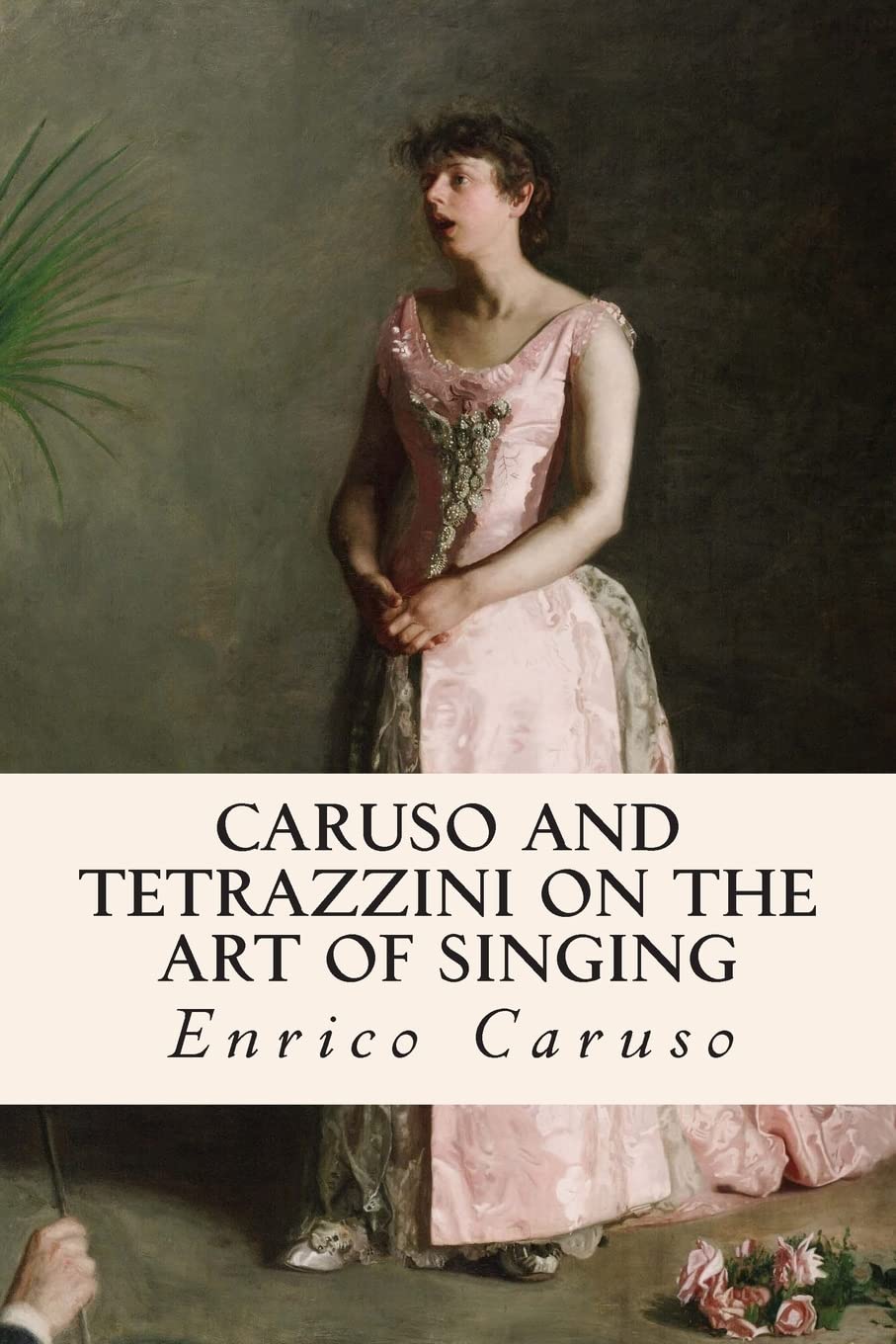
Caruso and Tetrazzini on the Art of Singing

This concise classic distils advice from two icons of the Golden Age. Caruso offers practical notes on breath, tone, and expressive shaping. Tetrazzini discusses agility, legato, and the elegance of the Italian line. Together they clarify fundamentals that still underpin modern training. Short chapters make it easy to absorb concepts and apply them the same day. The tone is direct and experience-driven, free of unnecessary mystique. You’ll get concrete tips for practice structure and vocal hygiene. UK and US students value its portability and timeless relevance. Read it alongside your daily vocalises to reinforce healthy habits. For a small book, it delivers a remarkable amount of usable technique. Read more

Vocal Science & Anatomy

A deeper understanding of anatomy and acoustics empowers singers to build efficient, healthy, and sustainable technique

This category brings together the essential scientific foundations behind breath mechanics, resonance, vocal fold function, and body alignment These books explain how posture, airflow, laryngeal behaviour, acoustics, and vocal tract shaping affect tone quality, stamina, and expressive range. They translate complex scientific principles into practical steps to diagnose tension patterns, optimise resonance, and prevent fatigue. Ideal for singers, teachers, and vocal professionals seeking evidence-based tools to refine technique and understand the voice at a deeper level Read more

VOCAL ANATOMY • RESONANCE SCIENCE • TECHNIQUE DIAGNOSIS • BREATH & ALIGNMENT • HEALTHY VOICE

Anatomy of the Voice: An Illustrated Guide for Singers, Vocal Coaches, and Speech Therapists by Theodore Dimon

This beautifully illustrated guide explains how the voice actually works, without overwhelming the reader. You’ll learn the function of the larynx, breath system, jaw, tongue, and soft palate in clear detail. Diagrams show how small tension patterns restrict resonance and range. Dimon links anatomy to sensation so you can identify what “correct” feels like. The book supports healthy technique for classical, pop, and spoken voice alike. It’s ideal for coaches designing targeted warm-ups and cool-downs. Practical cues help you fix alignment issues fast in the practice room. UK and US teachers frequently assign it for foundational understanding. The writing is precise yet approachable, inviting repeated reference. Keep it on your stand to translate sensations into reliable, science-informed habits. Read more

VOCAL TECHNIQUE • BODY CONDITIONING • PROFESSIONAL TRAINING • STAMINA & SUPPORT • PERFORMANCE FITNESS

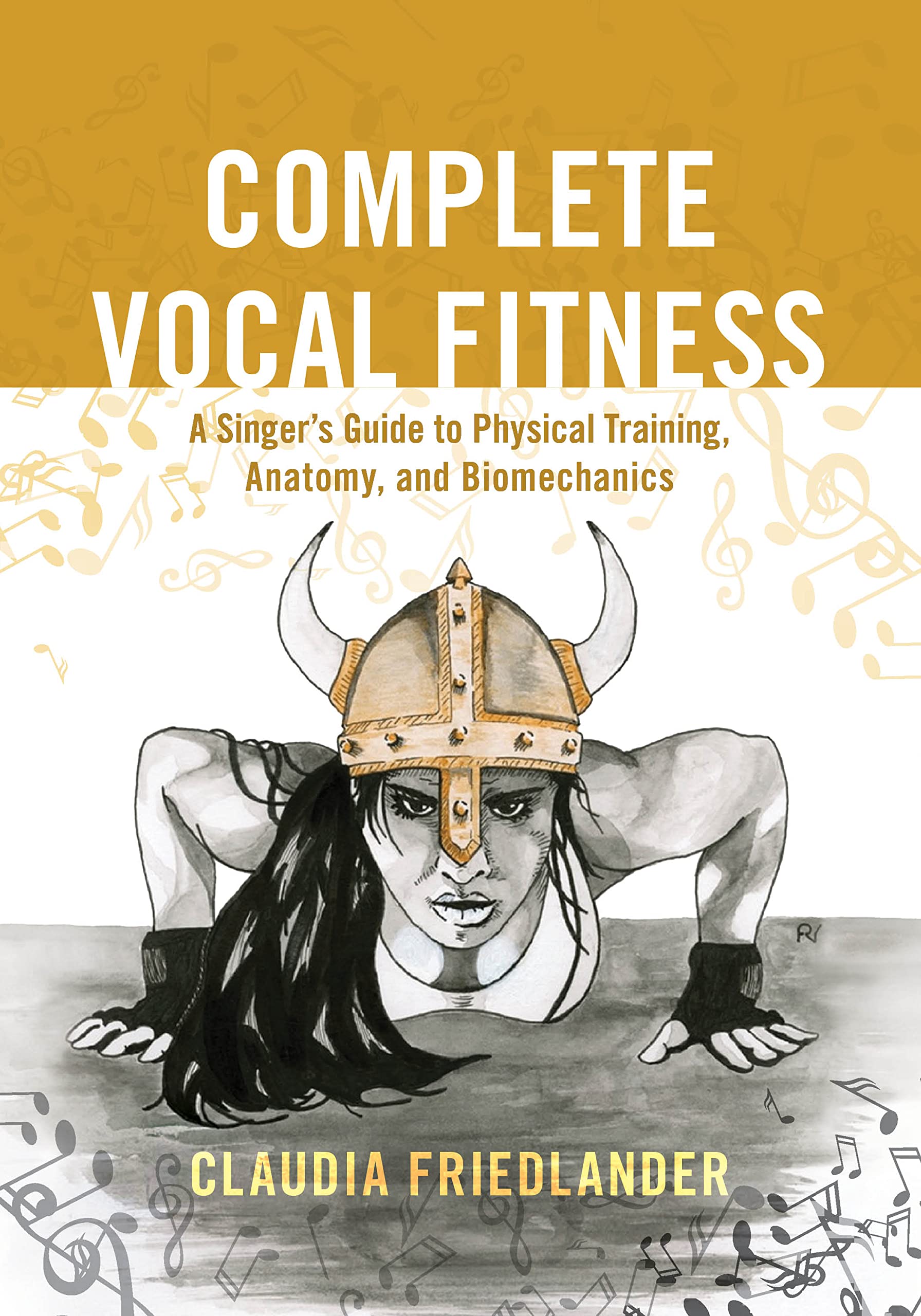
Complete Vocal Fitness: A Singer’s Guide to Physical Training, Anatomy, and Biomechanics

Written by voice teacher and fitness expert Claudia Friedlander, Complete Vocal Fitness treats singers as elite athletes whose instrument is their entire body. This guide combines sport-science training principles with vocal pedagogy, giving you a blueprint for conditioning your respiratory system, posture, and core stability. You’ll learn how muscle strength, flexibility, and endurance directly influence tone quality, stamina, and breath control. The book features targeted exercises for alignment, trunk stability, and coordinated breathing, plus illustrated stretches to reduce tension before and after performing. It also covers recovery strategies, hydration, and lifestyle choices that protect long-term vocal health. Case studies from singers in the UK, US, and Europe show how these methods work across styles, from opera to musical theatre. Teachers will find it invaluable for helping students sustain demanding rehearsal schedules without fatigue. Whether you’re preparing for a West End show, an opera season, or regular studio work, this science-driven approach builds a foundation for power and longevity. If you want to connect physical fitness with optimal vocal function, this is a modern essential. Read more

VOCAL SCIENCE • ACOUSTICS & RESONANCE • ADVANCED STUDY • FORMANTS & HARMONICS • TECHNIQUE ANALYSIS

The Science of the Singing Voice

Professor Johan Sundberg’s The Science of the Singing Voice is considered the gold standard for understanding the physics and physiology of singing. Drawing from decades of voice research, Sundberg explains how the vocal folds produce sound, how resonance boosts tone, and how breathing patterns influence dynamic control. The book breaks down complex concepts like formants, harmonics, and vocal tract shaping in clear, approachable language. You’ll see how scientific findings apply to real-world performance in both classical and contemporary genres. Detailed diagrams and acoustic analyses make it an excellent reference for teachers and advanced students. This is not just theory — it provides practical insight into why certain technical exercises work and how to troubleshoot issues like breathiness or strain. Voice scientists, pedagogues, and professional singers in the UK and US rely on this book to bridge art and science. If you’re serious about mastering the instrument from the inside out, Sundberg’s work belongs in your library. It’s as valuable for refining your ear as it is for training your voice. Read more

BODY MAPPING TECHNIQUE • VOCAL ALIGNMENT • TENSION RELEASE • BREATH & POSTURE • HEALTHY FUNCTION

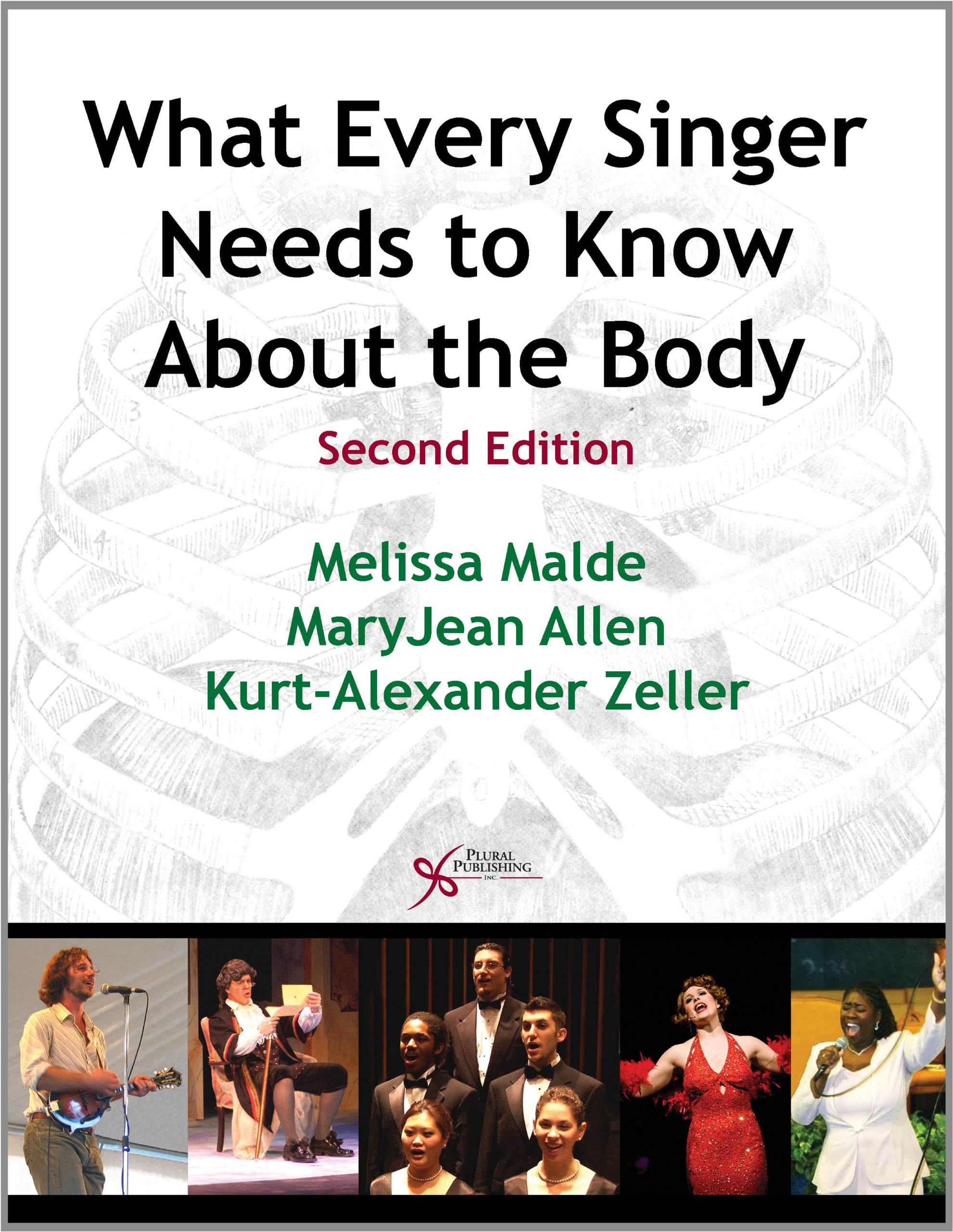
What Every Singer Needs to Know About the Body

This unique guide teaches “body mapping” — the skill of aligning your mental image of anatomy with the reality of how the body functions. Authors Melissa Malde, MaryJean Allen, and Kurt-Alexander Zeller show how an accurate physical map enhances breath flow, posture, and vocal resonance. Through practical exercises, photos, and illustrations, you’ll learn to release tension patterns and move with more efficiency. The book covers breathing coordination, spinal alignment, and jaw/tongue freedom, with direct applications for singing. It’s particularly useful for eliminating habits that restrict tone or cause fatigue. The approach is gentle but transformative, making it ideal for singers recovering from strain or looking to increase stamina. Teachers in the UK and US use this text to help students feel — not just think about — proper technique. The writing is accessible to beginners while still offering depth for professionals. If you’ve ever been told to “relax” or “open up” but didn’t know how, this book gives you the anatomical keys. Read more

VOCAL PEDAGOGY • ACOUSTIC TECHNIQUE • MIXED STYLES • STUDIO TRAINING • CONTROL & CONSISTENCY

The Basics of Voice Science and Pedagogy

Scott McCoy’s The Basics of Voice Science and Pedagogy offers a comprehensive yet approachable look at the mechanics of singing. Building on his earlier work, McCoy integrates high-quality visuals, updated research, and clear explanations of acoustics, anatomy, and vocal function. The book addresses everything from laryngeal physiology to resonance tuning, giving both singers and teachers a clear technical framework. Each chapter ties science directly to practical exercises you can apply immediately in the studio. The focus on “why” as well as “how” makes it easier to troubleshoot technical challenges and set realistic goals. McCoy’s accessible style ensures the content is equally useful for classical and contemporary singers in the UK, US, and beyond. It’s especially valuable for voice educators building curricula or preparing students for professional careers. If you want a modern reference that combines pedagogy with evidence-based understanding, this belongs on your shelf. A must-have for those who believe technique and science go hand in hand. Read more

VOCAL ANATOMY • RESONANCE & PHONATION • MULTI-STYLE TRAINING • VISUAL LEARNING • CONTROL & CLARITY

Your Voice: An Inside View

Also by Scott McCoy, Your Voice: An Inside View is a richly illustrated guide that connects vocal anatomy with practical training. It features detailed photographs, MRI images, and diagrams that demystify how breath, phonation, and resonance interact. The book’s multimedia approach — including companion audio and video — allows you to see and hear concepts in action. McCoy explains complex topics like inertive reactance and source-filter theory in a way that performers can understand and apply. Exercises help you translate this scientific knowledge into better vocal function, whether you’re singing Puccini, pop, or public speaking. It’s an excellent bridge between medical understanding and artistic application. Voice professionals in the UK and US often recommend it for both self-study and formal courses. The clear structure makes it easy to reference specific topics when troubleshooting. If you want a visual, interactive approach to learning how your voice works, this is a standout resource. Read more

FAQ — Vocal Technique Books & Key Concepts

What are the best vocal technique books for singers in London and the UK?
Popular choices among singers and vocal coaches in the UK include The Voice Book, Set Your Voice Free, The Vocal Athlete, and classical bel canto methods by Vaccai, Garcia, and Marchesi. These books cover breath support, resonance, vocal stamina, range development, and long-term vocal coordination across both classical and contemporary styles. Read more

Which vocal technique book is best for beginners?
The Voice Book by Kate DeVore & Starr Cookman is widely recommended for beginners because of its clear structure and practical vocal exercises. It introduces fundamental concepts such as breathing, posture, tone production, and vocal coordination in an accessible way for singers starting formal vocal training. Read more

Which books help improve tone and vocal control quickly?
Set Your Voice Free by Roger Love is often recommended for singers looking to improve tone, vocal coordination, and consistency through structured daily exercises. The book focuses on practical voice training routines designed to strengthen control, improve resonance balance, and reduce unnecessary vocal tension. Read more

What are the best books for vocal stamina and endurance?
The Vocal Athlete is one of the most respected books for singers focused on endurance, vocal health, recovery, and long-term voice sustainability. It combines modern voice science with practical training strategies for managing fatigue, rehearsal schedules, touring, and intensive performance routines. Read more

Which books help with riffs, runs, and vocal agility?
Scat! by Bob Stoloff and Anne Peckham’s Vocal Workouts are widely used for improving agility, rhythmic accuracy, phrasing, and improvisation skills. These exercises are particularly useful for singers working in pop, soul, jazz, gospel, musical theatre, and contemporary commercial music styles. Read more

What are the best books for classical singing and bel canto technique?
Many classical singers and teachers in London and across the UK study progressive bel canto methods including Vaccai, Panofka, Marchesi, and Manuel Garcia. These traditional vocal methods focus on legato, breath control, resonance balance, register connection, and tonal consistency across the vocal range. Read more

Which books explain how the voice works scientifically?
Anatomy of the Voice, Johan Sundberg’s research, and Scott McCoy’s voice pedagogy books help singers understand acoustics, resonance, vocal anatomy, and voice science. These resources are useful for singers, vocal coaches, speakers, and performers who want a deeper understanding of vocal function and technical development. Read more

Should singers buy one vocal technique book or build a collection?
Most singers benefit from combining books on vocal technique, breathing, resonance, performance psychology, and voice science for more balanced long-term development.

Are vocal technique books useful for speakers and public speaking?
Yes. Many breathing, resonance, and projection techniques used in singing are also valuable for actors, speakers, teachers, broadcasters, and public presenters.

Can vocal technique books replace singing lessons or vocal coaching?
Books provide valuable structure and knowledge, but experienced vocal coaching remains important for correcting technique, monitoring coordination, and personalising exercises.

What do terms like passaggio, appoggio, resonance, and onset mean?
These are fundamental concepts used in vocal training to describe breath support, register transition, resonance balance, and the coordination of vocal sound production. Passaggio refers to the transition area between vocal registers. Appoggio describes the classical system of breath support and airflow management. Resonance relates to how sound vibrates and amplifies through the vocal tract. Onset refers to how vocal sound begins, ideally with balanced airflow and vocal fold coordination. Read more

Vocal Terminology

Understanding vocal terminology helps singers develop clearer technical awareness and communicate more effectively with vocal coaches, répétiteurs, conductors, producers, and other performers. Many of the terms used in vocal training originate from Italian bel canto tradition, while others come from anatomy, acoustics, speech science, and modern vocal pedagogy.

Whether you study classical singing, musical theatre, pop, jazz, gospel, or public speaking, these concepts appear constantly throughout lessons, rehearsals, books, auditions, studio sessions, and professional performance environments. A strong understanding of terminology allows singers to troubleshoot technical issues more intelligently, practise more efficiently, and build healthier long-term coordination. Many singers hear terms like “support,” “placement,” “mix voice,” or “resonance” for years without fully understanding their physiological meaning. This section provides concise explanations of the most important concepts used in vocal training and voice science today. Read more

What is passaggio?
Passaggio refers to the transition area between vocal registers where the voice shifts coordination and resonance balance. In classical singing, the passaggio is one of the most important technical areas to master because improper coordination can create strain, cracking, or instability. Singers learn to adjust vowel shape, airflow, resonance, and muscular balance so the transition feels smooth and connected across the range. Read more

What is appoggio?
Appoggio is the classical Italian system of breath support and airflow management used in bel canto singing. The concept combines posture, rib expansion, breath suspension, and controlled airflow to stabilise vocal production. Rather than forcing breath pressure, appoggio encourages balanced resistance between inhalation and exhalation muscles, helping singers maintain resonance, stamina, legato, and vocal freedom. Read more

What is resonance in singing?
Resonance describes how vocal sound vibrates and amplifies through the vocal tract, including the throat, mouth, nasal cavities, and surrounding structures. Good resonance balance allows singers to produce a richer, clearer, and more projecting tone without unnecessary physical effort. Resonance adjustments influence vocal colour, brightness, warmth, carrying power, and stylistic flexibility across different genres and acoustic spaces. Read more

What is vocal onset?
Onset refers to how vocal sound begins when airflow and vocal fold closure coordinate at the start of a note or phrase. Balanced onset is essential for healthy singing. A breathy onset leaks excessive air, while a hard glottal onset creates excessive collision between the vocal folds. Efficient onset coordination allows tone to begin clearly, freely, and consistently without tension or instability. Read more

What is legato?
Legato is the smooth, connected flow between notes and vowels without breaks, bumps, or unnecessary tension. In classical bel canto singing, legato is considered one of the highest technical priorities because it reflects breath coordination, resonance stability, vowel consistency, and musical phrasing. Strong legato creates the impression of a continuous vocal line rather than isolated notes. Read more

What is mix voice?
Mix voice describes a balanced coordination between chest voice and head voice qualities. Rather than abruptly “switching registers,” singers gradually blend muscular and acoustic characteristics to maintain consistency through the upper range. Contemporary commercial styles frequently use mix voice for powerful high notes that remain connected, flexible, and sustainable. Read more

What is vocal placement?
Vocal placement refers to the perceived location of resonance sensations while singing. Although sound is not literally “placed” into physical locations, singers often experience sensations of vibration in areas such as the face, cheekbones, hard palate, or mask region. Teachers use placement imagery to encourage resonance efficiency, tonal focus, and reduced throat tension. Read more

What is vibrato?
Vibrato is the natural oscillation or fluctuation of pitch that occurs in healthy, balanced vocal production. Consistent vibrato usually develops when airflow, vocal fold coordination, resonance, and muscular balance function efficiently together. Excessively wide, slow, straight, or unstable vibrato may indicate tension, fatigue, technical imbalance, or stylistic choice depending on context. Read more

What is vocal registration?
Vocal registration describes the different coordinations or vibratory patterns used throughout the vocal range. Common register terms include chest voice, head voice, falsetto, whistle register, and mix voice. Registration changes involve adjustments in vocal fold thickness, resonance behaviour, airflow management, and muscular engagement. Read more

What does projection mean in singing?
Projection refers to the ability of the voice to carry clearly through a space without excessive strain or shouting. True vocal projection depends more on resonance efficiency, acoustic balance, diction clarity, and harmonic energy than raw physical volume. Skilled singers can project effectively in concert halls, theatres, churches, and acoustic venues while maintaining vocal freedom and endurance. Read more

#VocalTechniqueBooks #BooksForSingers #VoiceTrainingBooks #SingingBooksUK #VocalCoachLondon #SingingLessonsLondon #VoiceShopUK #BooksForVocalists #ClassicalSingingBooks #ContemporaryVoiceTraining #BelCantoBooks #VoiceDevelopment #SingersUK #VoiceTrainingLondon

As an Amazon Associate, I earn from qualifying purchases. Product details, pricing, and availability are provided by Amazon.

© All content is original and protected. Reproduction or duplication is not permitted.