

Classical Oratory · Great Speeches · Public Speaking · Memory & Speech · Rhetoric & Voice · Great Orators · FAQ · Powerful Speech
A curated collection of books on public speaking, rhetoric, memory and vocal communication, from classical thinkers such as Cicero and Aristotle to modern speakers and memory experts. These books offer practical and historical perspectives on speaking with clarity, confidence and influence.
Classical Oratory
Foundational works on rhetoric, persuasion, memory, and speech delivery from Cicero, Aristotle, Quintilian, and Demosthenes.
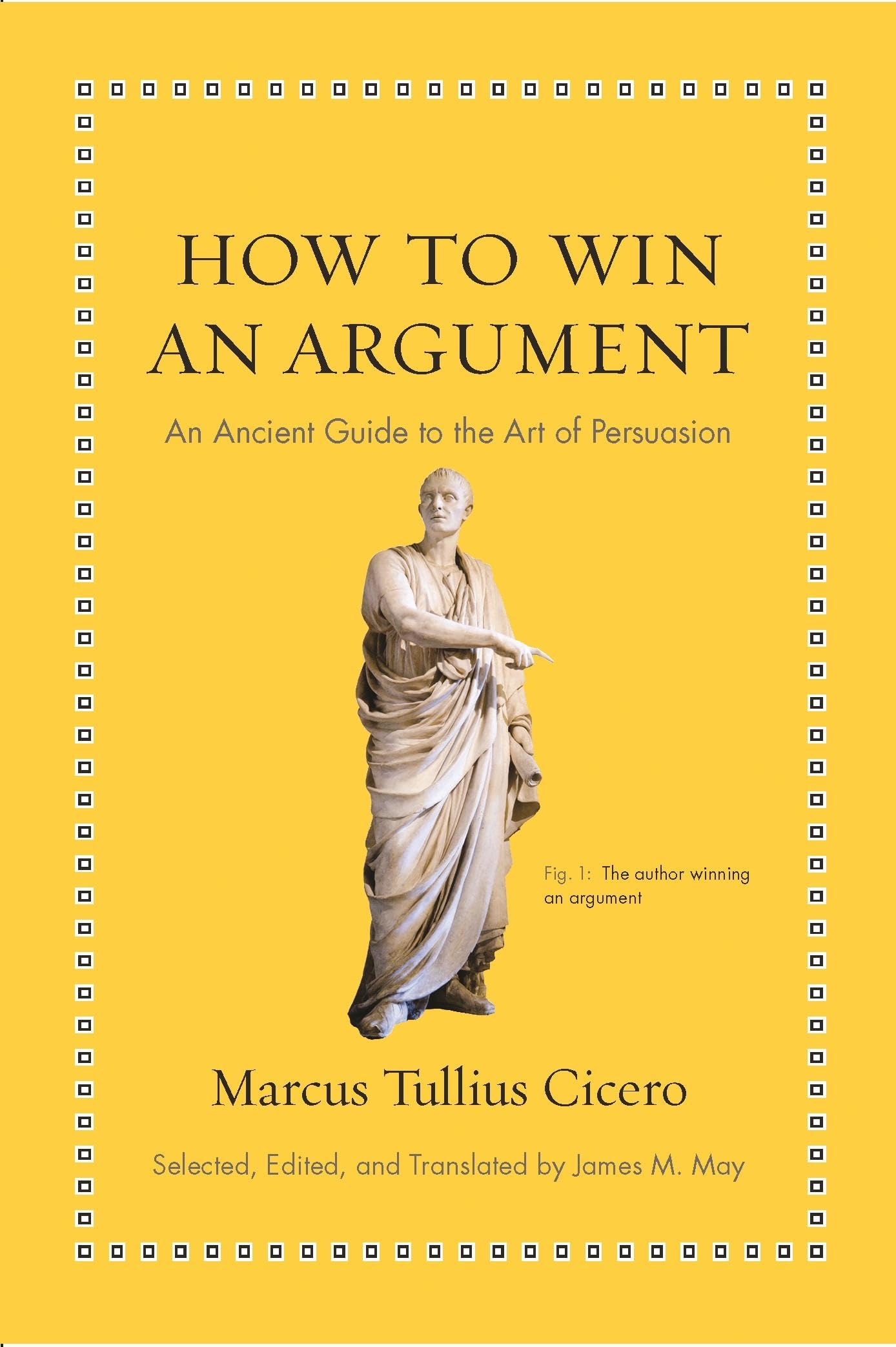
Cicero – How to Win an Argument
Publisher: Princeton University Press | ISBN: 978-0691164335 Marcus Tullius Cicero, Rome’s greatest orator, offers enduring lessons in persuasion through this accessible anthology of his speeches and writings. Edited by James May, How to Win an Argument explores how Cicero combined logic, emotional appeal, and ethical authority to influence audiences in the courtroom and Senate. Clear translations and concise historical introductions reveal practical techniques for structuring arguments, establishing credibility, and responding effectively to opponents. For public speakers and students of rhetoric, the collection provides a compelling introduction to Cicero’s approach to eloquence and persuasive communication.

Cicero – On the Orator (Loeb Classical Library)
Publisher: Loeb Classical Library | ISBN: 978-0674993839 Cicero’s De Oratore is his most comprehensive dialogue on rhetoric, exploring the education, responsibilities, and qualities of the ideal public speaker. Through conversations between leading Roman orators, Cicero examines logic, law, memory, delivery, ethics, and emotional persuasion, presenting rhetoric as an intellectual and moral discipline in which eloquence must be united with wisdom. This Loeb Classical Library edition presents the original Latin alongside the English translation on facing pages, making it particularly valuable for students of classical rhetoric, oratory, law, and the historical foundations of persuasive speech.
Demosthenes – Selected Speeches
Publisher: Oxford University Press | ISBN: 978-0199593774 This Oxford World’s Classics edition brings together key speeches by Demosthenes, one of ancient Greece’s greatest orators, delivered amid the political turmoil of 4th-century BCE Athens. It includes the Philippics, warning against the growing power of Philip of Macedon, and the Olynthiacs, urgent appeals for civic action and unity. Admired for his clarity, emotional force, and command of persuasive argument, Demosthenes remains a foundational figure in classical rhetoric. A readable translation, introduction, and notes provide valuable context for students of oratory, politics, and persuasive public speech.

Quintilian – Institutes of Oratory
Publisher: CreateSpace | ISBN: 978-1500342661 This complete edition of Institutio Oratoria brings together all 12 books of Quintilian’s foundational treatise on rhetoric, tracing the development of the orator from early education to accomplished public speaker. Quintilian examines argument, arrangement, style, memory, ethics and delivery, while Book X offers his influential guide to reading and literary education. Of particular interest to speakers and performers, Book XI explores memory, gesture, vocal delivery and elements of prosody. Throughout the work, Quintilian presents eloquence not simply as technique, but as an intellectual and moral discipline grounded in knowledge, judgement and character.
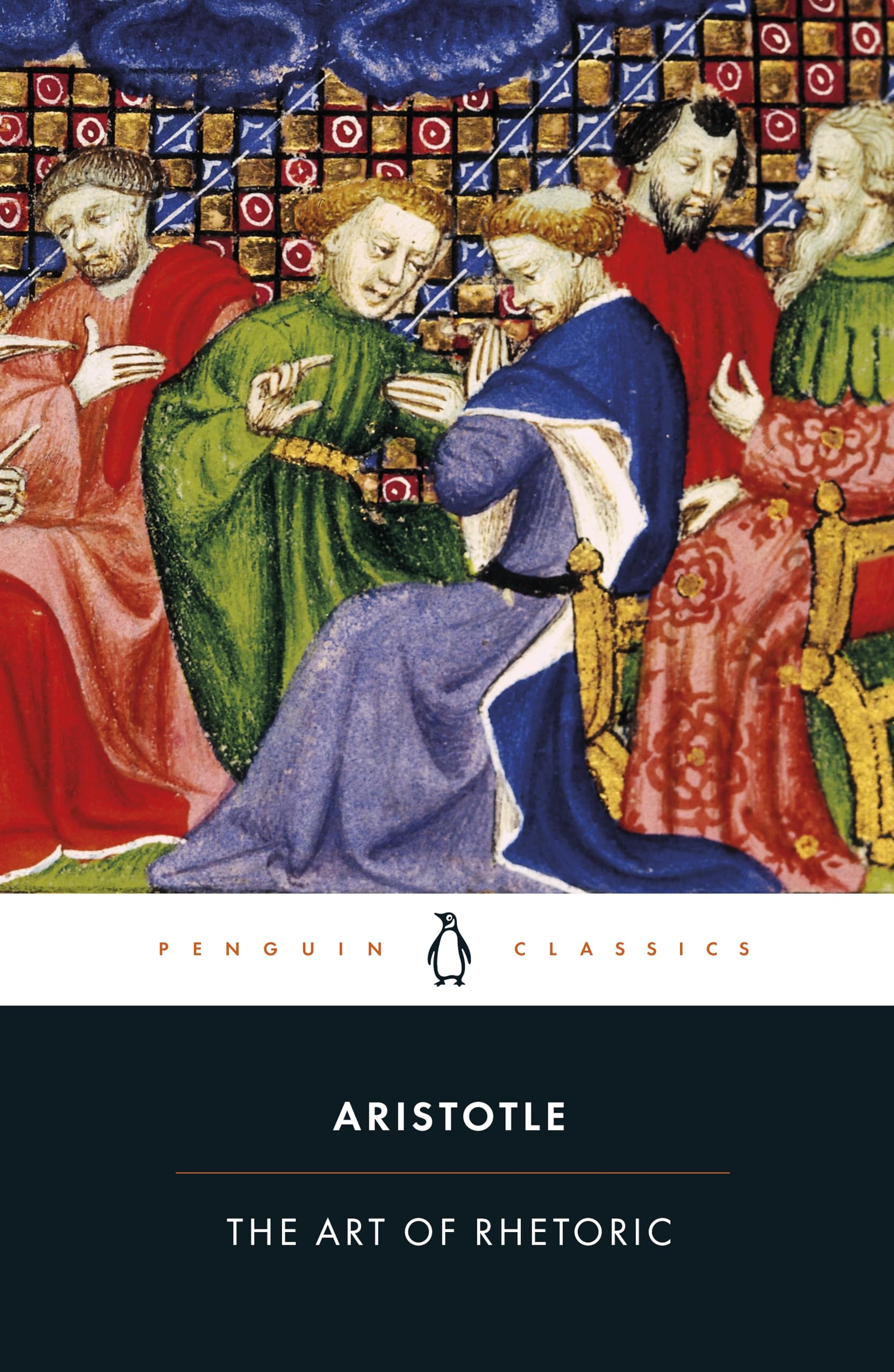
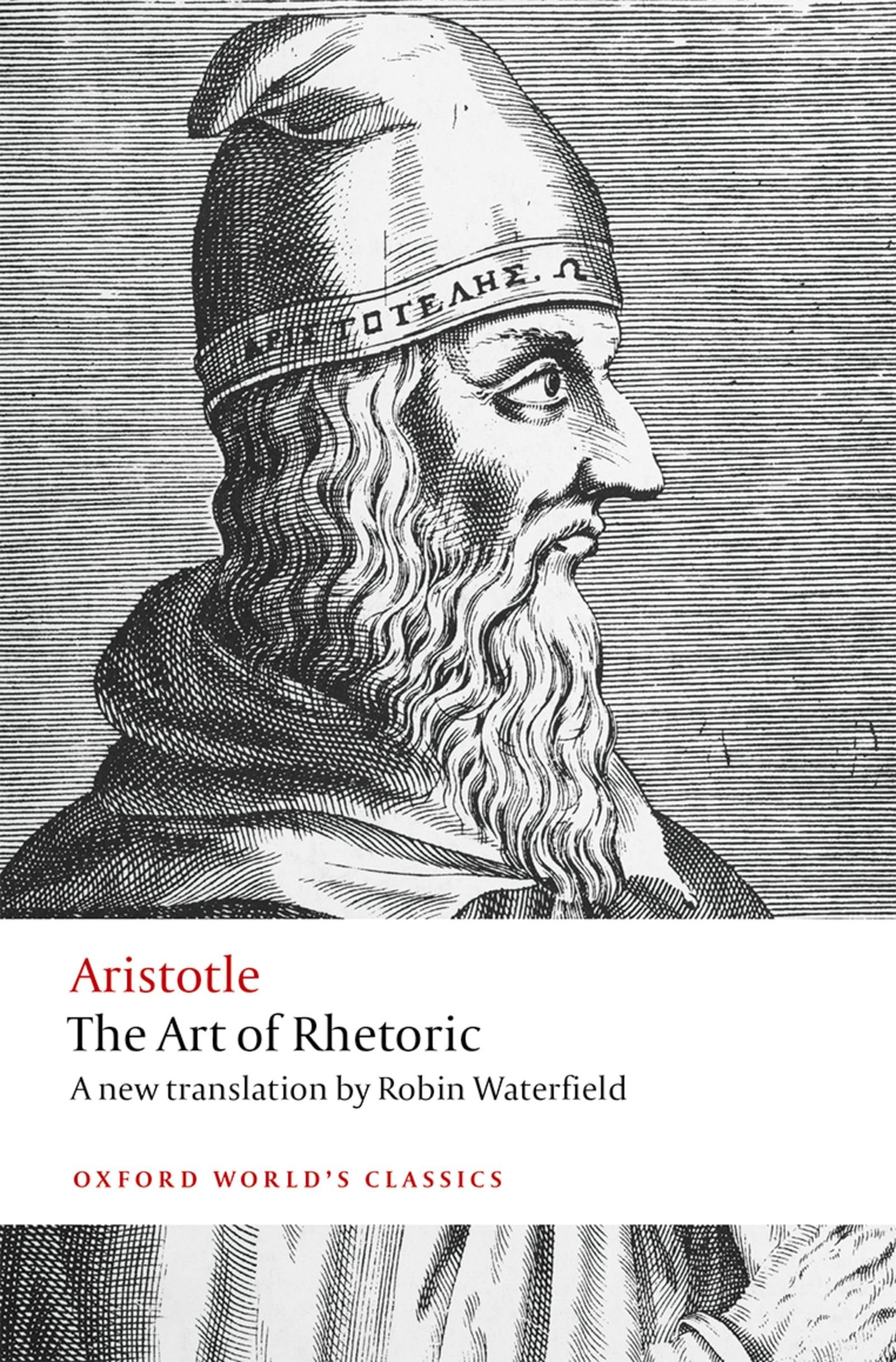
Aristotle – The Art of Rhetoric
Publishers: Penguin Classics & Oxford World’s Classics Aristotle’s Art of Rhetoric is the earliest systematic study of persuasive speech and a cornerstone of Western rhetorical education. Aristotle identifies three fundamental modes of persuasion: ethos (credibility), pathos (emotion), and logos(logic), examining how argument, language and character can be used to influence an audience.
This dual listing highlights two leading editions:
- Penguin Classics: An accessible translation well suited to general readers and those approaching Aristotle’s rhetoric for the first time.
- Oxford World’s Classics: A more scholarly edition with extensive commentary, an introduction by Harvey Yunis, and detailed notes on the political, ethical and philosophical context.
More than 2,000 years later, The Art of Rhetoric remains essential reading for understanding the foundations of argument, persuasion and public speaking.
Jay Heinrichs – Thank You for Arguing (Fourth Edition)
Publisher: Penguin Books | ISBN: 978-0593237380 Jay Heinrichs brings classical rhetoric into everyday life in this lively guide to persuasion. Drawing on principles from Aristotle, Cicero and other masters, Thank You for Arguing explains practical techniques such as framing, concession, timing and strategic argument, illustrated with examples from politics, advertising and popular culture. This updated fourth edition makes ancient rhetorical principles accessible and immediately applicable, helping readers communicate more persuasively, think more critically and understand how effective arguments are constructed.

Great Speeches of the 20th Century
Landmark speeches that demonstrate leadership, persuasion, storytelling, and the power of effective communication.
Winston Churchill – Blood, Toil, Tears and Sweat
Publisher: Penguin Classics | ISBN: 978-0141442068 This anthology brings together Winston Churchill’s most celebrated wartime speeches, including his historic 1940 “blood, toil, tears and sweat” address. Delivered during the darkest years of the Second World War, the speeches demonstrate his command of cadence, repetition, metaphor and carefully measured language to inspire resolve and national confidence. Introductions and historical notes provide context for each address, making the collection both an important historical record and a compelling study of political oratory under pressure.

Winston Churchill – The Power of Words
Publisher: Bantam | ISBN: 978-0857501462 Curated by Churchill’s official biographer, Sir Martin Gilbert, The Power of Words spans six decades of Churchill’s public life, from his early career to his years as an elder statesman. Alongside the celebrated wartime speeches, the collection includes reflections on peace, democracy, leadership and human dignity. Gilbert’s editorial notes provide historical context, while the speeches reveal Churchill’s remarkable range — from defiant wartime rhetoric to measured appeals for unity and reconciliation. An excellent study of how language, timing and delivery can shape political leadership.

Martin Luther King Jr. – A Testament of Hope
Publisher: HarperCollins | ISBN: 978-0060646912 A Testament of Hope brings together Martin Luther King Jr.’s essential speeches, sermons, essays and writings, including “I Have a Dream,” “Letter from Birmingham Jail,” and “I’ve Been to the Mountaintop.” The collection reveals King’s extraordinary command of rhythm, repetition, biblical allusion and moral argument, alongside his commitment to justice and nonviolence. For students of public speaking and rhetoric, it offers a powerful study of how language, vocal cadence and moral conviction can inspire audiences and shape public life.

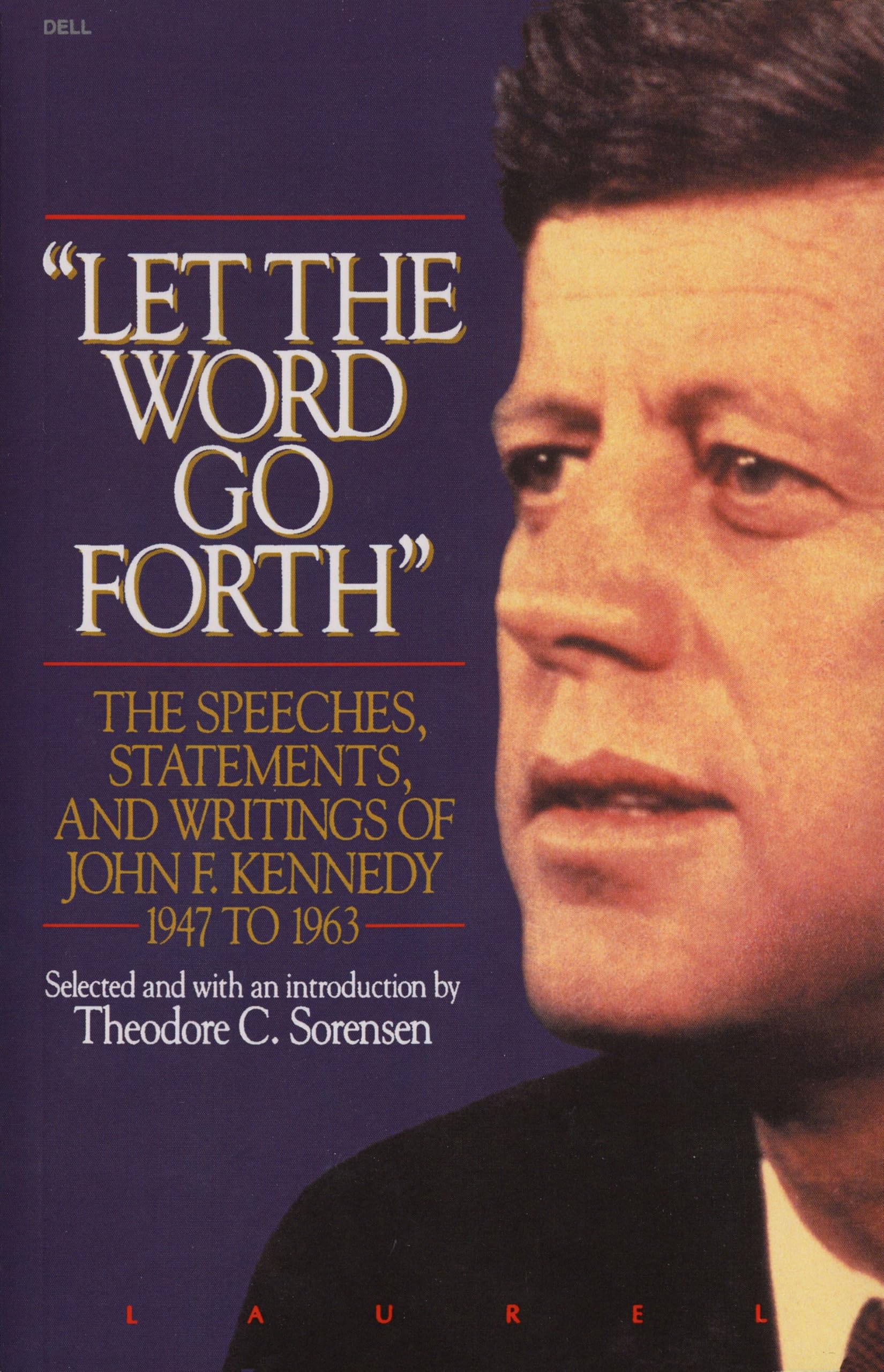
John F. Kennedy – Let the Word Go Forth
Publisher: Random House | ISBN: 978-0440504061 Edited by Theodore C. Sorensen, Kennedy’s speechwriter and close adviser, Let the Word Go Forth brings together major speeches from JFK’s presidency, including his inaugural address and addresses on civil rights, space exploration, nuclear disarmament and peace. Sorensen’s editorial framing provides valuable historical context, while Kennedy’s speeches demonstrate a distinctive combination of lyrical language, precise argument and memorable phrasing. For students of public speaking and speechwriting, the collection offers an excellent study of modern political rhetoric and presidential communication.
Modern Public Speaking & TED Wisdom
Contemporary approaches to public speaking, presentation, storytelling, and audience engagement.
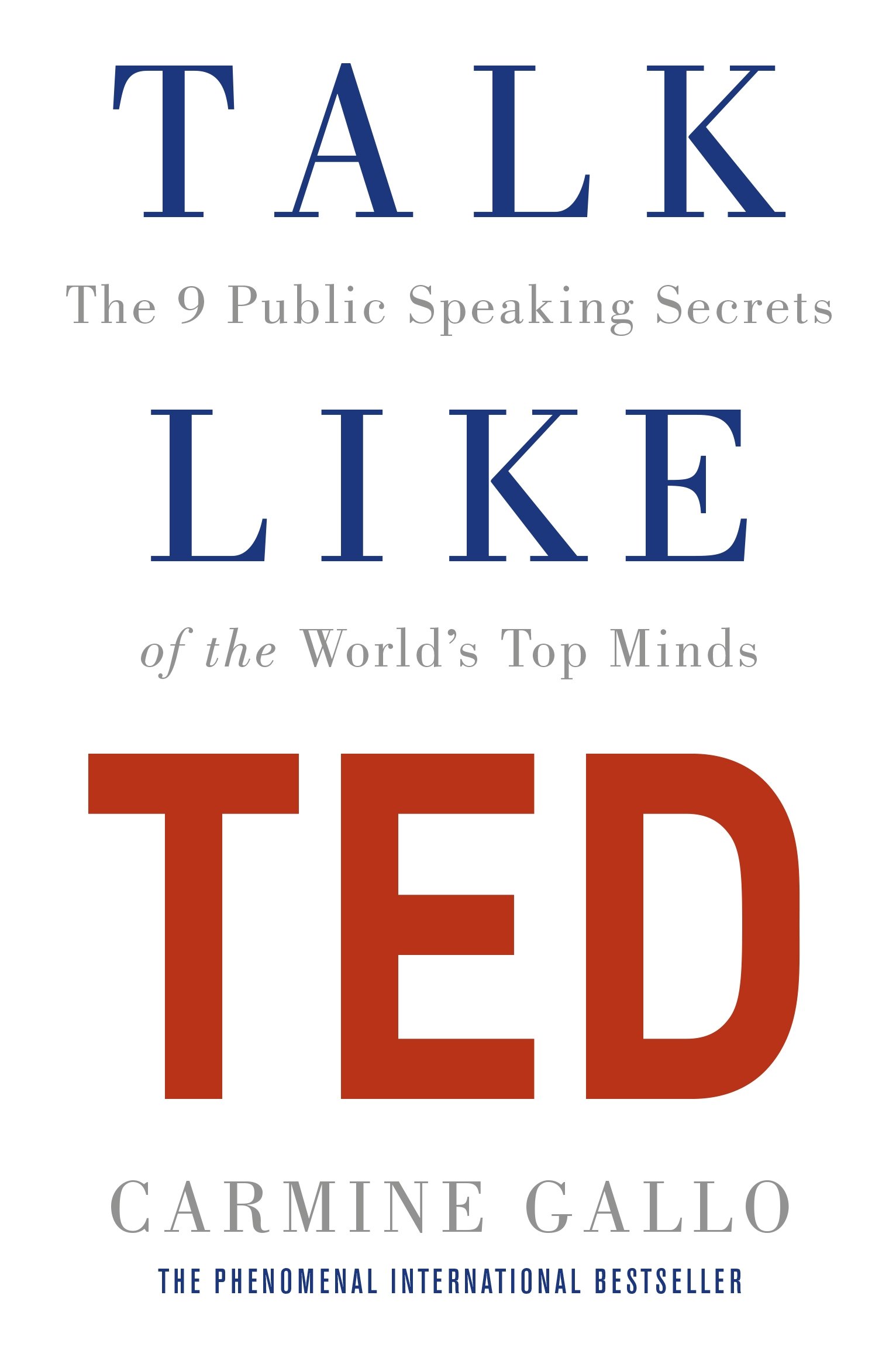
Carmine Gallo – Talk Like TED
Publisher: Pan Macmillan | ISBN: 978-1509867392 In Talk Like TED, communications coach Carmine Gallo identifies nine principles behind compelling presentations, drawing on hundreds of TED Talks and interviews with successful speakers. He explores storytelling, emotional connection, vocal delivery, body language and authenticity, showing how these elements can make ideas more memorable and persuasive. Practical examples make the techniques easy to apply to presentations, business pitches and keynote speeches, offering an accessible modern guide to speaking with greater confidence and impact.
James C. Humes – Speak Like Churchill, Stand Like Lincoln
Publisher: Three Rivers Press | ISBN: 978-0761563518 In Speak Like Churchill, Stand Like Lincoln, former presidential speechwriter James C. Humes presents 21 practical techniques drawn from some of history’s most accomplished speakers and leaders. Using examples from Churchill, Lincoln and others, he explores powerful openings, memorable conclusions, strategic pauses, body language and the projection of authority. Combining historical anecdotes with practical advice, the book offers an engaging guide to developing greater presence, clarity and confidence in public speaking.

Simon Sinek – Start With Why
Publisher: Penguin | ISBN: 978-0241958223 In Start With Why, Simon Sinek explores how a clear sense of purpose can strengthen leadership and communication. Through his influential “Golden Circle” framework — Why, How, What — he argues that inspiring leaders communicate first from the purpose behind what they do. Drawing on examples including Martin Luther King Jr., Steve Jobs and the Wright brothers, Sinek shows how purpose can build trust, create emotional connection and motivate action. Particularly useful for speakers and leaders seeking to communicate ideas with greater clarity and conviction.

Scott Berkun – Confessions of a Public Speaker
Publisher: O’Reilly Media | ISBN: 978-1449301958 In Confessions of a Public Speaker, Scott Berkun combines candid stories from years of professional speaking with practical advice on preparation, stage presence and audience engagement. He explores common challenges including nerves, mistakes, unexpected situations and maintaining an audience’s attention, emphasising authenticity over rigid perfection. Entertaining as well as practical, the book offers a realistic guide to becoming a more confident, adaptable and engaging public speaker.

Michael Port – Steal the Show
Publisher: Houghton Mifflin Harcourt | ISBN: 978-0544555181 In Steal the Show, former professional actor and keynote speaker Michael Port applies performance techniques from the stage to public speaking and other high-pressure situations. He explores rehearsal, vocal delivery, body language, audience awareness and managing nerves, showing how speakers can develop greater presence without sacrificing authenticity. With practical exercises and examples, the book is particularly useful for anyone interested in the connection between performance technique, confident communication and effective public speaking.

Memory and the Architecture of Speech
Books on memory techniques, mnemonic systems, speech preparation, and the art of retaining and delivering complex ideas with confidence.
Frances A. Yates – The Art of Memory
Publisher: Bodley Head | ISBN: 978-1847922922 Frances A. Yates’s The Art of Memory traces the development of mnemonic systems from ancient Greece through the Renaissance, beginning with the tradition of Simonides and the origins of the “memory palace.” Yates explores how figures including Cicero, Quintilian and Giordano Bruno connected memory with rhetoric, philosophy and intellectual life. Her study reveals how imagery, spatial organisation and symbolic architecture shaped the Western art of remembering. For readers interested in the relationship between memory and public speaking, it provides a fascinating historical foundation for techniques still used today.

Dominic O’Brien – How to Develop a Brilliant Memory Week by Week
Publisher: Watkins | ISBN: 978-1786784087 Eight-time World Memory Champion Dominic O’Brien presents a structured programme for developing memory through 52 progressive weekly lessons. He introduces practical techniques including the memory palace, number shapes, association chains and storytelling to strengthen recall, visualisation and mental organisation. Accessible to beginners yet systematic in its approach, the book is particularly relevant to speakers and performers who need to memorise speeches, texts, repertoire or other complex material with greater confidence and accuracy.

Kevin Horsley – Unlimited Memory
Publisher: TCK Publishing | ISBN: 978-1631619984 In Unlimited Memory, International Grandmaster of Memory Kevin Horsley presents practical techniques for improving recall, concentration and learning. Focusing on visualisation, association and the organisation of information into memorable patterns, he shows how stronger attention can support more effective memory. The methods can be applied to speeches, study material and other complex information, making this an accessible choice for speakers, performers and anyone looking to develop more systematic memory skills.

Joshua Foer – Moonwalking with Einstein
Publisher: Penguin | ISBN: 978-0141032139 Moonwalking with Einstein follows journalist Joshua Foer as he investigates competitive memory and trains in ancient mnemonic techniques, eventually becoming U.S. Memory Champion himself. Blending memoir, psychology, history and science, Foer explores methods such as the memory palace, vivid imagery and association while examining how memory can be deliberately trained. Engaging rather than instructional in format, the book offers an accessible introduction to the art and science of remembering, with particular relevance to speakers, performers and anyone interested in developing stronger recall.

Books Recommended by Memory Champions
Two-time USA Memory Champion Ron White has discussed several of the books that influenced his own approach to memory training, including The Memory Book by Harry Lorayne and Jerry Lucas and works by eight-time World Memory Champion Dominic O’Brien. His recommendations offer a useful complement to the books above, particularly for readers interested in practical mnemonic training and techniques used by competitive memory experts.
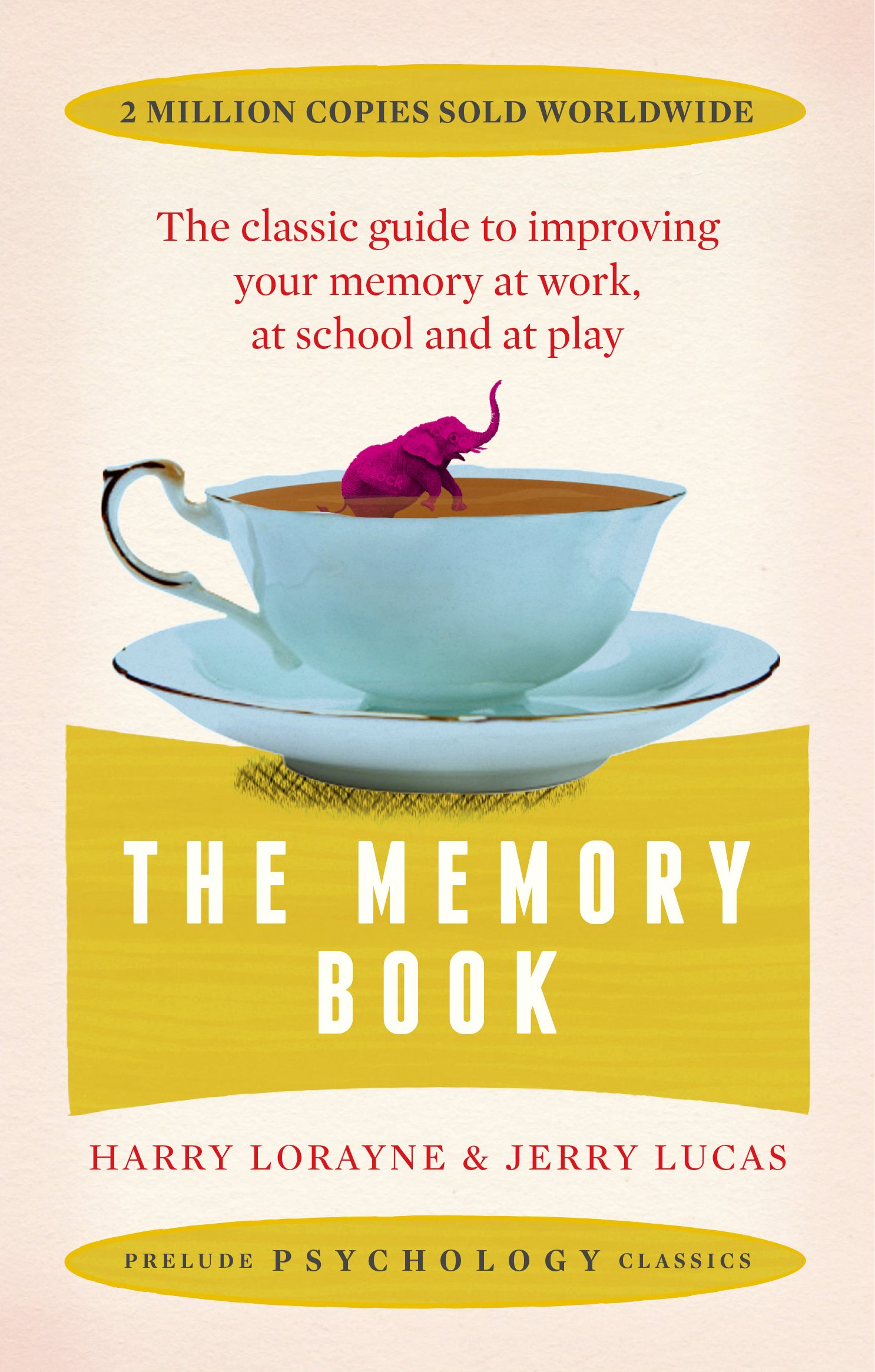
Harry Lorayne & Jerry Lucas – The Memory Book
A classic practical guide to memory training, The Memory Book teaches techniques based on association, visualization, and the creation of memorable mental connections. The methods can be applied to names, numbers, vocabulary, speeches, and other information that needs to be recalled reliably. Ron White has described the book as an important influence on his own development in memory training, making it particularly interesting for readers who want to explore the methods behind competitive memory.
Harry Lorayne – Secrets of Mind Power
Publisher: Frederick Fell Publishers In Secrets of Mind Power, renowned memory expert Harry Lorayne explores practical techniques for strengthening memory, concentration, association and organised thinking. His approach extends beyond simple recall, showing how mental training can support clearer thinking and more reliable retrieval of information. For singers, actors and public speakers, these principles are particularly relevant to memorising repertoire and text, maintaining concentration and developing greater confidence in securely learned material.
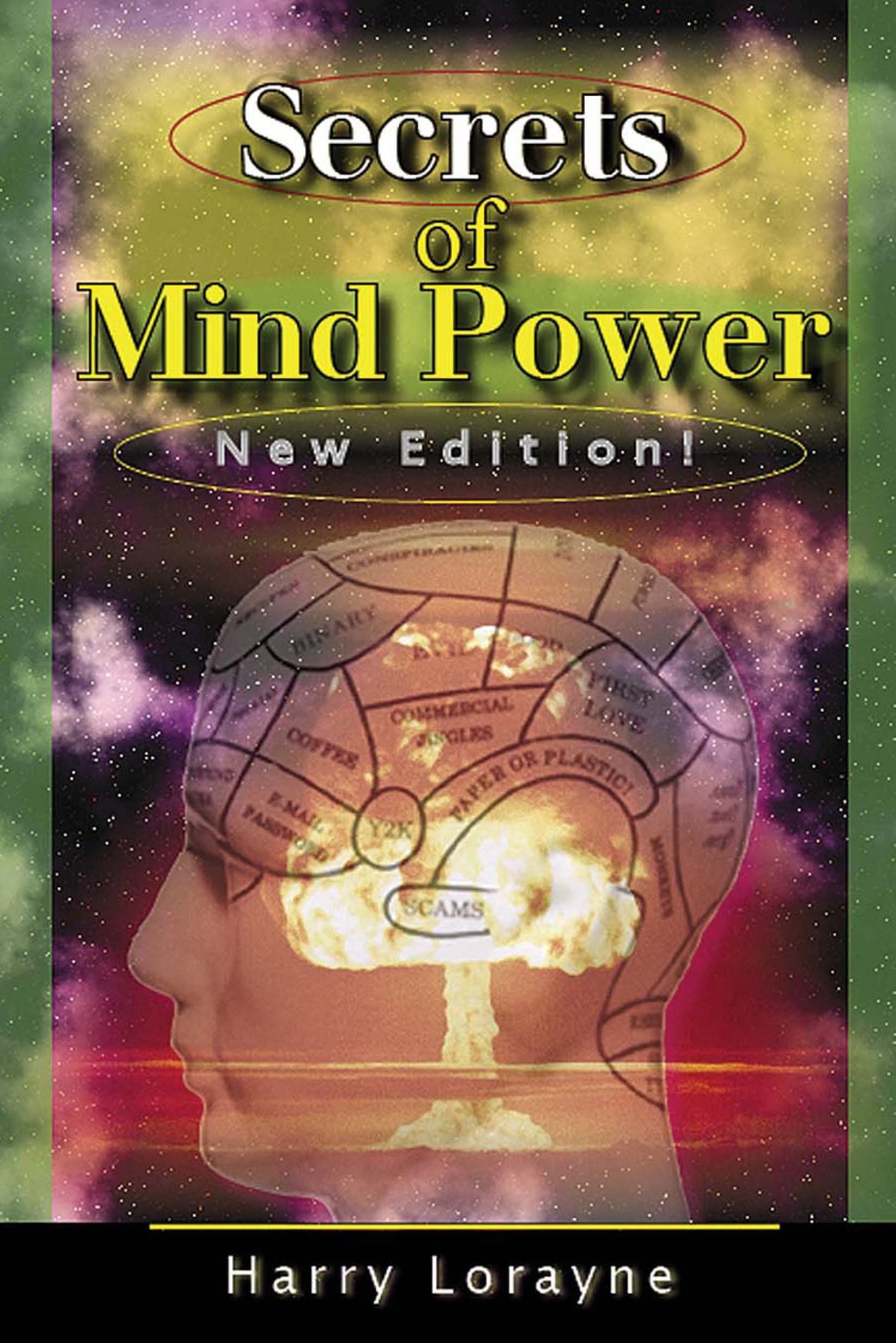
Tansel Ali – How to Remember Absolutely Everything
Australian Memory Champion Tansel Ali presents practical techniques for improving recall and learning information more efficiently. The book introduces mnemonic strategies that can be applied to study, professional learning, and everyday memory. For singers and performers, these principles can also be adapted to learning repertoire, text, languages, and other complex material that needs to become securely memorized.
Modern Rhetoric, Prosody & Voice for Public Speaking
Exploring the relationship between language and voice, these books cover prosody, vocal expression, rhetoric, pacing, and the art of effective spoken communication.
Nancy Duarte – Resonate: Present Visual Stories That Transform Audiences
Publisher: Wiley | ISBN: 978-0470632017 In Resonate, presentation expert Nancy Duarte explores how the structure and emotional dynamics of storytelling can make presentations more compelling. She explains how to build a clear narrative arc, use contrast effectively and create moments of emotional impact that sustain audience attention. Combining storytelling, visual communication and audience psychology with practical frameworks and case studies, Resonate is particularly useful for speakers who want to transform information into presentations that engage, persuade and inspire action.

Nancy Duarte – Slide:ology: The Art and Science of Creating Great Presentations
Publisher: O’Reilly Media | ISBN: 978-0596522347 In Slide:ology, presentation designer Nancy Duarte explains how effective visual design can strengthen a speaker’s message. Moving beyond conventional bullet-point slides, she explores layout, typography, imagery, visual hierarchy and whitespace, showing how these elements can clarify complex ideas and guide audience attention. With practical examples, sketches and case studies, the book offers a useful framework for creating presentations in which visuals support rather than compete with the spoken narrative.

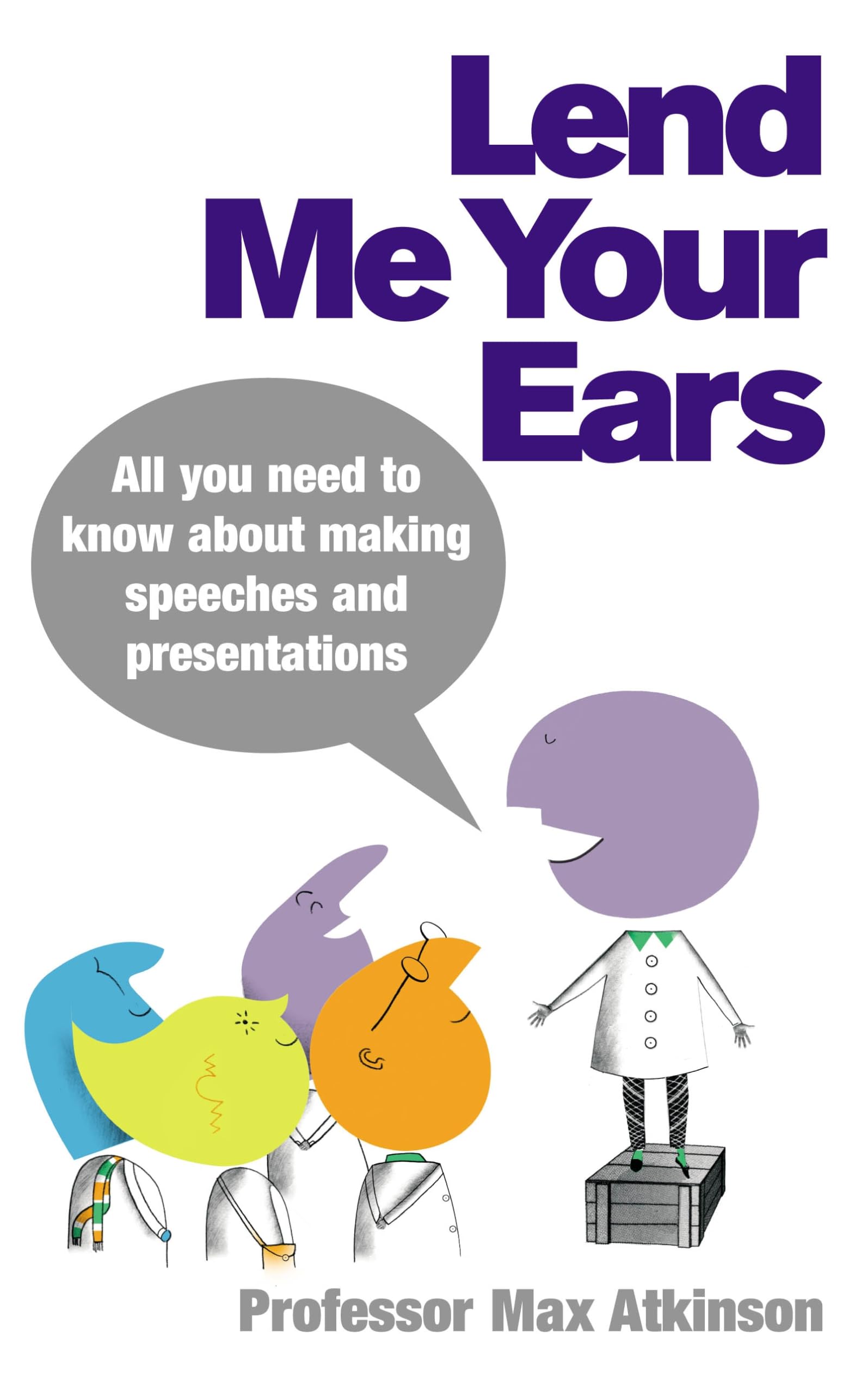
Max Atkinson – Lend Me Your Ears
Publisher: Random House | ISBN: 978-0091894794 In Lend Me Your Ears, speech coach Max Atkinson examines the techniques that make speeches persuasive and memorable. Drawing on his work with politicians and public figures, he explores rhetorical devices such as the rule of three, contrast and repetition alongside vocal tone, pacing, gesture and body language. Using examples from political oratory and practical coaching, Atkinson shows how structure and delivery work together to engage an audience. A particularly useful guide for speakers interested in the relationship between rhetoric, voice and audience response.
Voices of Influence & Legendary Orators
Books exploring the lives, speeches, and techniques of influential communicators, offering practical lessons in leadership, persuasion, and public speaking.
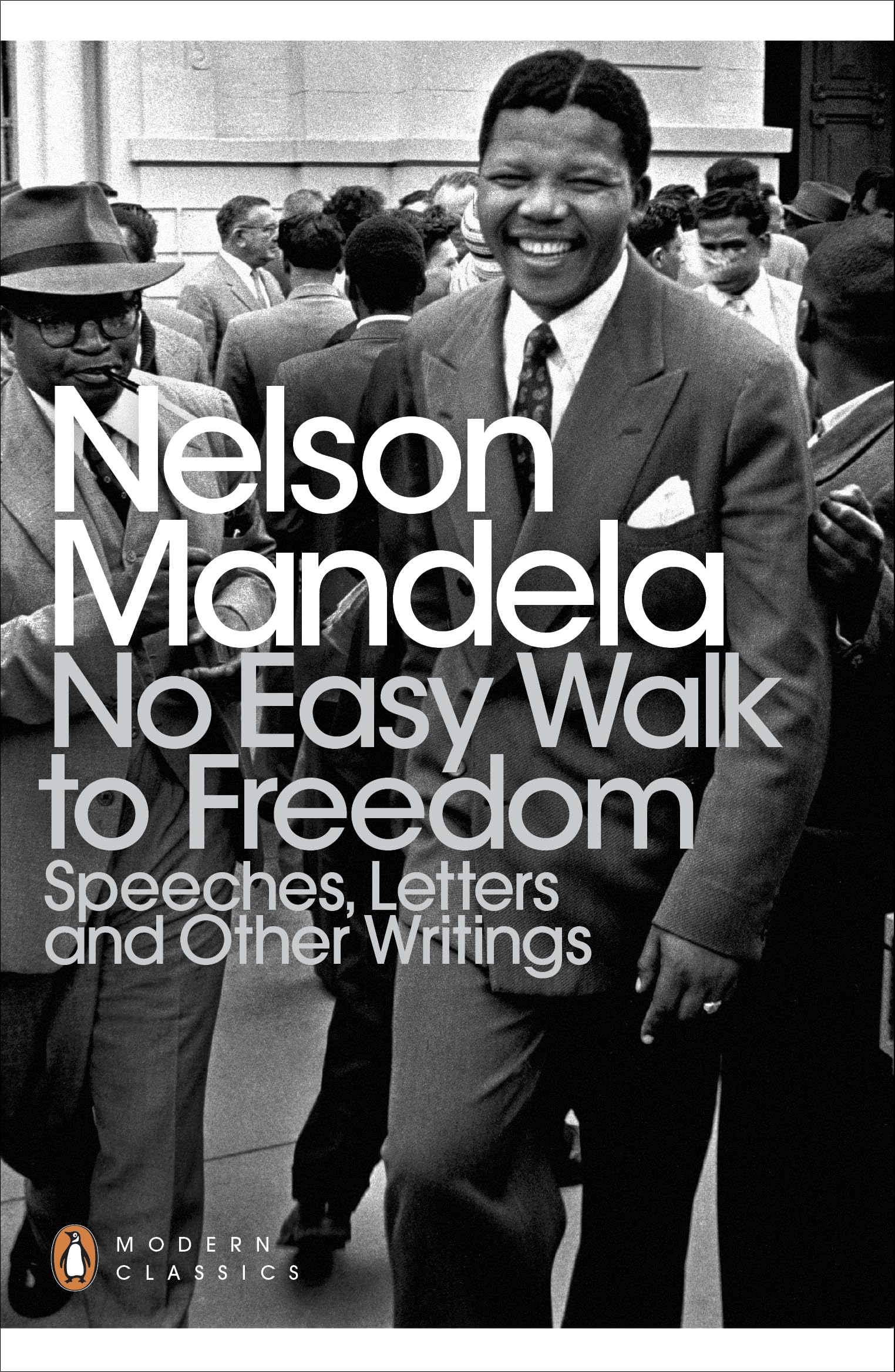
Nelson Mandela – No Easy Walk to Freedom
Publisher: Penguin Modern Classics | ISBN: 978-0141439303 No Easy Walk to Freedom brings together Nelson Mandela’s speeches, essays and interviews from the struggle against apartheid and his emergence as a major political leader. His words demonstrate how measured language, moral authority and appeals to unity can serve both resistance and reconciliation. Combining political argument with clarity and conviction, the collection offers a compelling study of rhetoric shaped by extraordinary historical circumstances and of the role public speech can play in leadership and social change.
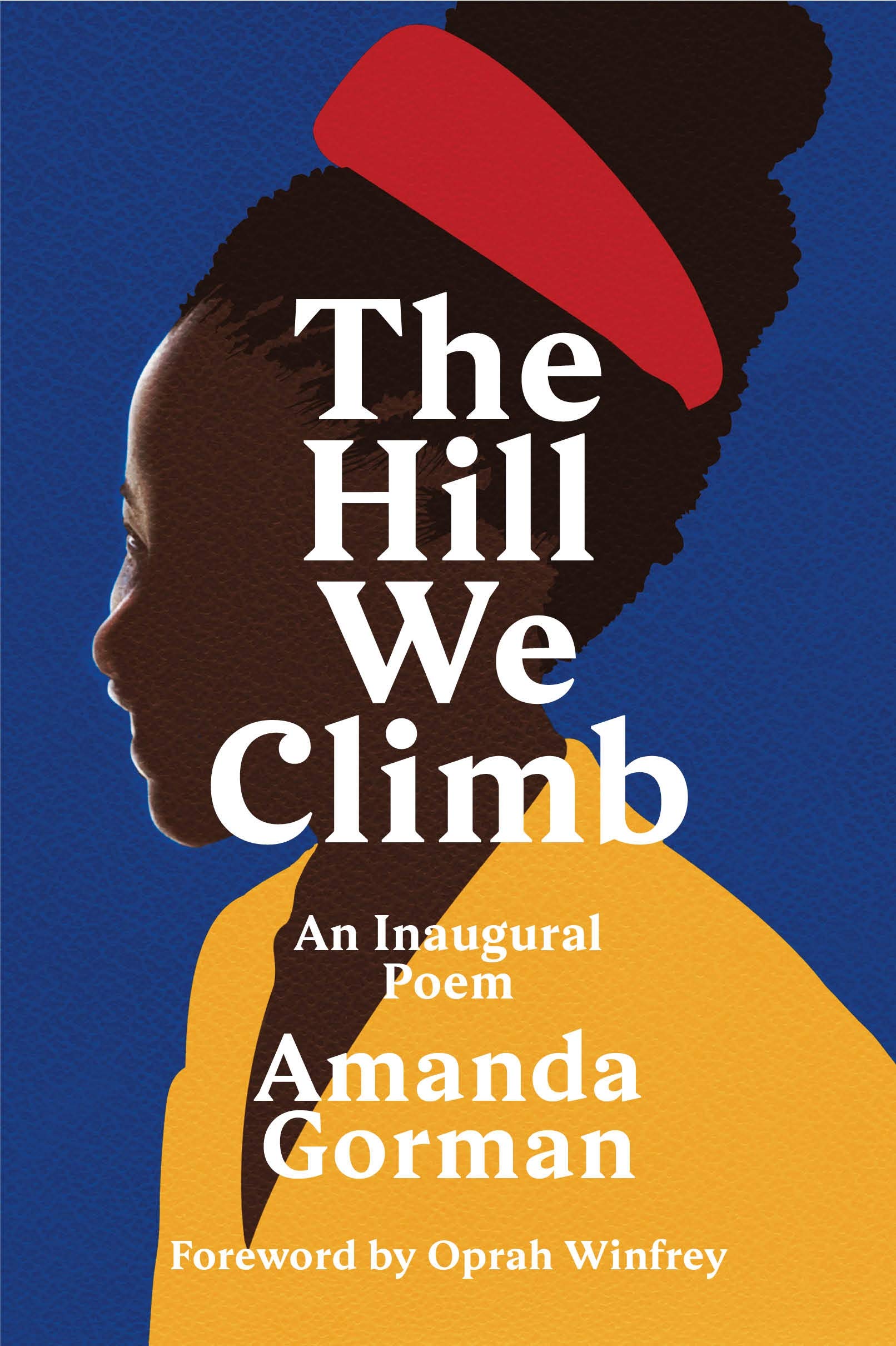
Amanda Gorman – The Hill We Climb
Publisher: Chatto & Windus | ISBN: 978-1784744601 Delivered at the 2021 U.S. presidential inauguration, Amanda Gorman’s The Hill We Climb combines poetry with civic oratory through striking imagery, rhythmic language and carefully shaped cadence. Its themes of unity, resilience and collective responsibility are carried as much through sound and performance as through the written text. For speakers and performers, the poem offers a contemporary example of how rhythm, language and vocal delivery can give a public address emotional and rhetorical force.
Barack Obama – The Audacity of Hope
Publisher: Canongate | ISBN: 978-1847670830 In The Audacity of Hope, Barack Obama combines memoir and political thought with reflections on democracy, leadership and public life. Written before his presidency, the book reveals the rhetorical style that would become central to his public communication: clear argument, personal narrative, lyrical cadence and appeals to shared purpose. For readers interested in modern political rhetoric, it offers a useful study of how storytelling, empathy and carefully structured ideas can make complex arguments accessible and persuasive.

FAQ – Public Speaking & Rhetoric
Understanding Rhetoric, Prosody & Memory — Before exploring the recommended books, these short explanations outline the core elements of persuasive speaking, expressive delivery, and classical memory training.
What is prosody in speech and singing?
Prosody refers to rhythm, emphasis, pitch, pacing and tonal contour in speech — the “music of language.” In singing, prosody aligns lyric phrasing with musical feeling for emotional impact and clarity.
What is rhetoric and why is it important?
Rhetoric is the art of persuasive communication using logic, emotion, credibility, structure, rhythm and presence. It remains essential for leaders, speakers, educators, performers and public communicators.
Where does the word “orator” come from?
From Latin orare, meaning “to speak or plead.” In ancient Rome, an orator was a highly trained civic speaker — today it means anyone who communicates publicly with clarity and purpose.
How does memory training help with public speaking?
Classical memory systems such as the method of loci convert ideas into vivid mental images stored in imagined spaces, allowing speakers to present confidently without notes.
Do these books help with vocal delivery and stage presence?
Yes — several titles address vocal tone, rhythm, emphasis, projection, tempo, authority, storytelling and emotional colouring. Examples: Lend Me Your Ears, Talk Like TED, Steal The Show.
How to Deliver a Powerful Public Speech
Guidance on speech structure, vocal delivery, audience engagement, rehearsal, and the development of a confident and persuasive speaking style.
Prepare a Strong Opening
Your opening lines shape the entire atmosphere of the room. Begin by grounding your audience in clarity: who you are, what the talk is about, and why it matters. When Cicero taught the exordium, he emphasised that its purpose is to capture goodwill — a gentle invitation for the listener to follow you.
Stand with Stability and Breathe Correctly
Your body becomes your first instrument in public speaking. A balanced stance, relaxed shoulders, and a calm, unforced breath create an immediate sense of authority. Great orators have always understood that breath is not merely physical — it carries presence and intention through every word.
Use Your Voice with Intention
A memorable speech is shaped by vocal awareness. Speak with clarity, allow your phrases to breathe, and let your tone vary naturally as the meaning shifts. A well-placed pause often communicates more than a hurried sentence. When your voice moves with purpose, your message becomes unmistakably clear.
Engage Through Eye Contact and Thoughtful Gesture
Connection is created visually long before it is created verbally. Meet your audience with steady, calm eye contact, shifting your gaze gently across the room. When your gestures arise from thought rather than habit, they become extensions of your meaning. Quintilian believed gesture was “visible eloquence” — and it still is.
Close with a Memorable Message
Your final words often determine what the audience carries home. End with intention — a concise summary, a resonant final line, or a return to the idea that opened your speech. A strong closing gives shape to the entire talk and leaves a clear echo in the listener’s mind.
Explore the Complete Guide to Public Speaking
From classical rhetoric and Cicero to modern speeches and vocal technique, this guide explores how voice, language and presence work together in effective public speaking. Discover practical approaches to breath, resonance, articulation, projection and stage presence alongside lessons from some of history’s most influential speakers. Visit the Full Guide on Public Speaking & Rhetoric →

As an Amazon Associate, I earn from qualifying purchases. Product details, pricing, and safety information are provided directly by Amazon.
© All content on this page is original, written with professional care, and protected under copyright law. Reproduction, duplication, or AI-generated imitation is not permitted.