

Mastering the Breath: Proven Techniques for Voice, Power & Control
In This Guide
- Breath Training Methods for Voice & Stamina
- Warrior Breath: Martial Arts, Combat Sports & Tactical Training
- Endurance Breath: Athletes & Performance Under Strain
- Pressure Breath: Divers, Submariners & Astronauts
- Astronaut Breath Training (NASA)
- How the Lungs Work: A Multi-Dimensional View
- Transformational Breath: Artistic, Spiritual & Conscious Practices
- Conclusion: Breath Is the Bridge
Breath Training Methods for Voice & Stamina
Breath is the invisible power behind every spoken word, every sung phrase, and every silent moment of poise. Across history and cultures, it has been trained not only by singers but also by warriors, monks, athletes, astronauts, divers, and visionaries. In this guide, we explore systems of breath training — not limited to one method or discipline, but spanning the full spectrum of physical, spiritual, and performance-based traditions.
Whether you’re a singer, speaker, performer, or someone seeking to reclaim breath as a source of vitality, this blog offers inspiration, insights, and practical guidance.
Warrior Breath: Martial Arts, Combat Sports & Tactical Training
Throughout history, warriors have trained their breath to maintain calm under pressure. From the meditative control of martial artists to the explosive power of fighters, breath becomes a form of strategy. In ancient Eastern traditions, Qi Gong and Tai Chi fused breath with movement to cultivate inner power. Today, elite soldiers and fighters apply similar techniques to remain focused and balanced. These methods may look different, but at their core, they all teach one thing: how to stay grounded when the world gets loud. Even in singing lessons, this kind of awareness can help you reconnect with your body, reduce anxiety, and stay focused during performance. Breath gives you rhythm, strength, and flow. It also gives your voice more depth and honesty. Think of it like the foundation of your house: solid breath equals a strong voice. Whether you’re rehearsing arias or delivering public speeches, the warrior’s breath helps you find control without tension. And in a world of distractions, that’s gold for any vocal coach or performer.
BREATHWORK – Rickson Gracie on Mastering the Self
In this insightful video, Rickson Gracie shares how diaphragmatic breathing is far superior to shallow chest breathing. He explains how focusing on the exhalation helps you breathe at full capacity, regain control over mind and heart, and prepare for performance. Breath becomes the bridge between inner stillness and external power. A profound introduction to breath as life mastery.
“Breathing is the element which keeps your mind clear and your body balanced. Most people underestimate this capacity.”
Calm in the Storm – Breathing as Tactical Power
In this personal reflection, Rickson explains how he used breath to control heart rate before fights, manage panic, and outperform opponents. He details a precise pre-fight routine: sleep, deep breathing, warm-up, heart rate spike, then calmness. This method allowed him to face combat with calm aggression and clarity. He calls breath his best friend for controlling emotion, regaining composure, and pushing physical limits without mental collapse.
“When I bring my heartbeat to 150 and then down to 60 in five minutes — that’s my preparation. While my opponent is panicking, I’m breathing.”
Breath, Balance & Presence – Rickson’s Moving Meditation
In this final video, Rickson explores the connection between breath, meditation, and fluid movement. He describes breath as a form of inner navigation — a tool for entering the present moment and reading your own emotional state. Hyperventilation, when trained consciously, can keep the brain sharp even when the body is fatigued. Breath, when used properly, becomes not just survival — but strategic refinement.
“If you don’t train your breathing system, it’s like leaving 40% of your body’s potential untapped. Learn to breathe, and you learn to live.”
Recommended Book by Rickson Gracie
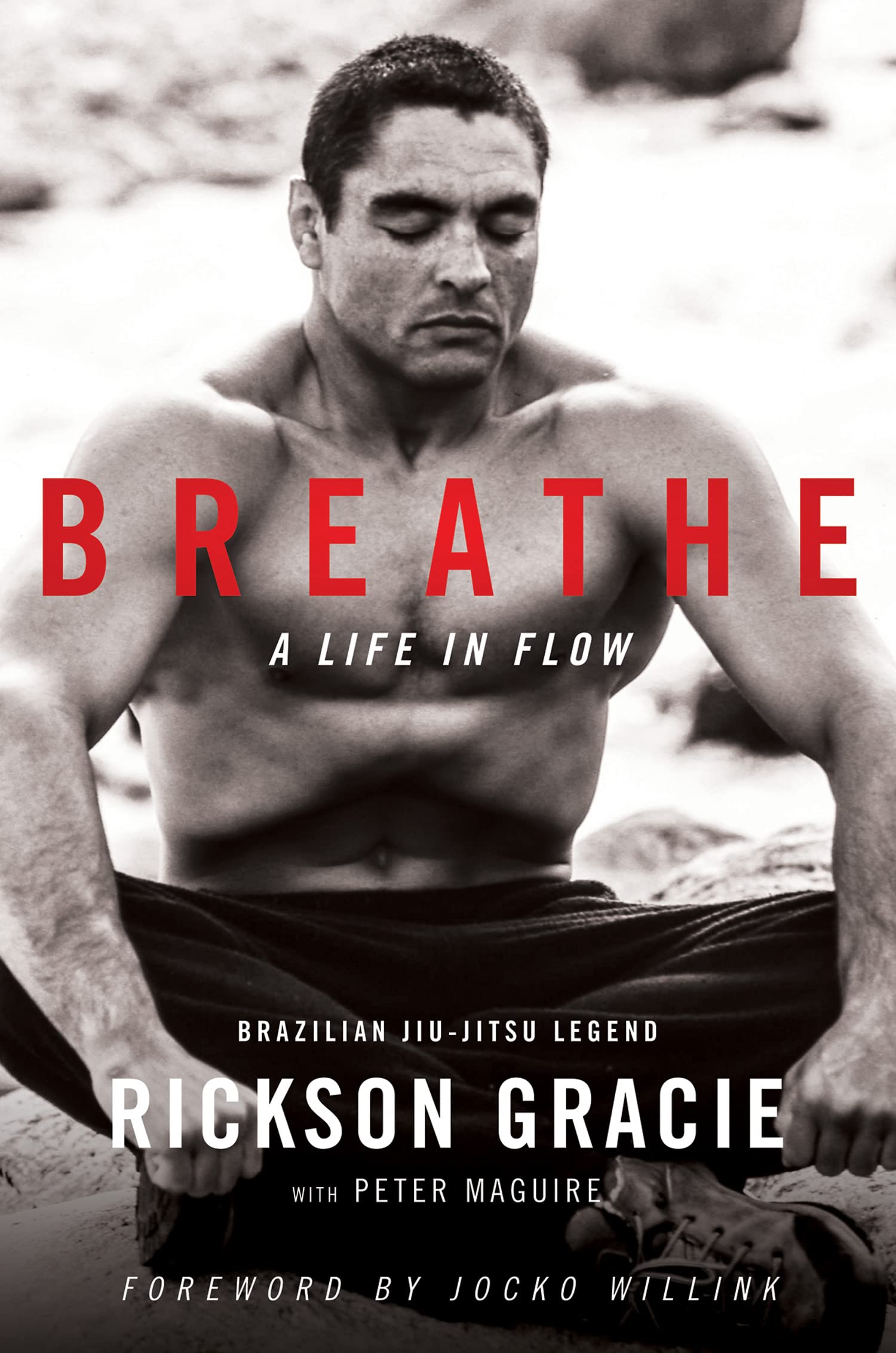
Rickson Gracie, a legendary Brazilian jiu-jitsu master and martial artist, shares powerful insights on the role of breath, presence, and internal mastery in his acclaimed book Breathe: A Life in Flow. His perspective blends physical discipline with deep internal awareness, making this book a valuable addition for anyone exploring advanced breathwork, vocal control, or peak performance states.

This is an Amazon affiliate link. I may earn a small commission if you make a purchase — at no extra cost to you.
This tactical technique, rooted in ancient yogic breath-holds, is used by military and elite performers to stay calm under extreme pressure. It is also used by athletes and performers to slow heart rate and enter a state of readiness. Many vocal coaches now incorporate variations of box breathing to help singers slow down and reconnect to their body before stepping on stage. The clarity and grounding it brings can be transformative in a high-stakes performance. Try it for just two minutes and you’ll likely notice how your voice responds. When your body feels safe, your voice opens naturally. Breath is the gateway to control — not force. In singing lessons, it can become a tool to break patterns of anxiety or tension. Simple, ancient, yet profoundly effective.
Endurance Breath: Athletes & Performance Under Strain
In endurance sports, breath becomes both fuel and compass. Runners, swimmers, and climbers train not just the body, but also their lungs to maintain rhythm, conserve energy, and resist fatigue. Breath becomes the foundation for sustainable performance and mental clarity. If you’re in a long performance, singing a demanding piece, or delivering a speech that lasts 30 minutes, your breath needs to support you the entire time. That’s why understanding breath control is crucial — not just for athletes, but for singers and public speakers too. The body starts to tighten when you’re tired, but trained breath keeps you open, connected, and grounded. Vocal stamina doesn’t just come from practice — it comes from how you breathe. A vocal coach can teach you how to tap into that same endurance mindset athletes rely on. And when you’re under the lights, it’s your breath that keeps you steady and expressive to the very end.
Mountain Climbers: High-Altitude Breathwork

Legends like Reinhold Messner summited Everest without oxygen. This extreme feat demanded incredible breath control and mental focus. Climbers often use slow, regulated breathing to adapt to thin air and high stress.
- Breath economy under strain
- Minimal intake, maximal control
- Composure in thin air
In this powerful reflection, legendary mountaineer Reinhold Messner speaks about fear, risk, and the deeper meaning of human freedom. Known for summiting Everest without supplemental oxygen, Messner explains that true adventure begins when we face uncertainty with action, not hesitation. His words resonate strongly with singers and performers—especially those training the breath for high-stakes moments. Just as he relied on his lungs in the most extreme altitudes, vocalists must cultivate strength, trust, and presence under pressure. Breath is not only a technical foundation—it is a way of meeting life with courage.
Reinhold Messner: The Breath of Limits
This extraordinary film, MESSNER, captures the life and mind of Reinhold Messner—widely regarded as the greatest mountaineer of all time. From pioneering the first ascent of Mount Everest without supplemental oxygen to completing all 14 of the world’s 8,000-meter peaks solo and unsupported, Messner redefined the frontier of human endurance. But beyond the records lies something more essential: breath.
For singers and voice artists, breath is both life and expression. Messner’s story resonates not merely for its feats, but for the mental clarity, willpower, and refined breath control he cultivated at death-zone altitudes—where oxygen is scarce, the mind slows, and every inhalation is a survival act. In his words, true adventure begins where control ends and self-mastery begins.
This film is more than biography—it is a meditation on the link between breath, courage, and the human spirit. Just as Messner stripped away all artificial aids to meet the mountain on its terms, singers too must meet the moment with nothing but breath, presence, and intention. Watch MESSNER not only as a tale of conquest, but as an invitation to explore the wilderness within.
Recommended Read: Beyond the Mountain
Steve House’s Beyond the Mountain is more than a climbing memoir. It’s a reflection on solitude, risk, and what it means to push the mind and body to their highest limits. A profound and beautifully written work, it aligns with breath mastery, presence, and mental strength — qualities every artist, athlete, or performer can benefit from.

This is an Amazon affiliate link. I may earn a small commission if you make a purchase — at no extra cost to you.
Pressure Breath: Divers, Submariners & Astronauts

Operating in extreme environments — beneath oceans or beyond the atmosphere — demands complete mastery of breath. Free divers and astronauts are trained to remain calm and efficient when oxygen is limited and pressure is high. Their discipline teaches control under the most intense conditions imaginable. And while you might not be diving 100 meters down, singing in a high-stakes environment can feel just as pressurized. One shaky breath and everything can fall apart. That’s why it’s useful to study these elite systems: they teach control, focus, and resilience under stress. Many vocal coaches recommend incorporating these ideas into warmups — not just scales, but breath holds and recovery breathing too. When your lungs are conditioned to stay calm in pressure, your voice follows. That confidence can transform your singing lessons or public speaking engagements. Breath is your safety line when things get intense. Freediving requires intense breath control and focus — Photo by Elianne Dipp via Pexels
Free Diving – William Trubridge
Free divers train their bodies and minds to function under extreme oxygen restriction. William Trubridge — a world-record-holding free diver — demonstrates how refined breathwork can lead to extraordinary control over the body and mind. His training reflects a calm strength that performers and vocalists can learn from: high CO₂ tolerance, inner focus, and emotional regulation under pressure.
- CO₂ tolerance and nervous system control
- Relaxation during high-stakes performance
- Breath mastery as a path to inner freedom
TEDx Talk – The Deep Mind: Mastery through Breath
In this TEDx talk, William explores how freediving requires mental clarity, not just lung capacity. He shares the mental techniques that allow him to reach great depths while staying calm — the same mindset that can help artists stay grounded during performance anxiety or long rehearsals.
Steinlager CNF World Record Freedive – 102m
In July 2016, Trubridge broke his own longstanding record in Constant Weight No Fins by swimming to 102 meters and back using no propulsion aids — only breath and body control. The dive was broadcast live on national television and required precision, calmness, and safety coordination at the highest level. A masterclass in breath under pressure.
One Breath – A Documentary by Nicolas Rossier
Filmmaker Nicolas Rossier travels to the Bahamas to meet William Trubridge, a world champion free diver who has set 15 world records in freediving. This documentary offers a rare look into his life, training, and philosophy. Trubridge’s achievements include the World’s Absolute Freediver Award and mastery of Free Immersion and Constant Weight Without Fins. A poetic, intimate portrait of breath, mind, and the ocean.
Watch on Vimeo: One Breath – Documentary
Learn more from William Trubridge: WithMe Academy – Breath Mastery Courses
Lewis Pugh – Breath as Survival in Arctic Waters
In sub-zero temperatures, the breath becomes a shield — a tool not only for oxygen, but for survival. Lewis Pugh, endurance swimmer and ocean advocate, swam 1 kilometer at the North Pole in −1.7°C, wearing no wetsuit. To prepare, he trained his nervous system through cold immersion, slow rhythmic breathing, and mental conditioning that allowed him to override the body’s instinctive panic response.
Pugh’s breath technique echoes principles from both yogic pranayama and Wim Hof–style resilience — using slow nasal inhalation, full-body awareness, and breath-holding to expand lung capacity and suppress shock. His feats remind us that breath, when mastered, can regulate fear, pain, and even temperature.
Lewis Pugh – The North Pole Swim
Watch on YouTube: Lewis Pugh Official YouTube Channel
Recommended Reading – Breath and the Mindset Behind the Impossible
Achieving the Impossible by Lewis Pugh
This powerful memoir unveils the breathing rituals, mental frameworks, and unshakeable discipline that allowed Pugh to swim in the world’s most dangerous waters. A testament to inner stillness and preparation, it is essential reading for anyone who seeks to push the boundaries of fear, body, and breath.

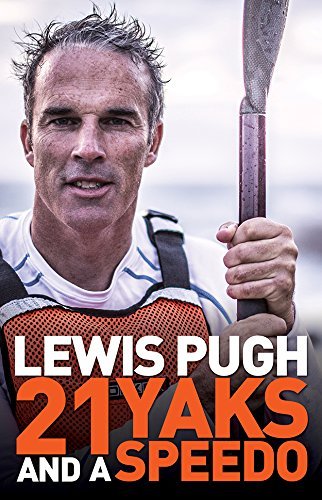
21 Yaks and a Speedo by Lewis Pugh
A beautifully written collection of stories and lessons from Pugh’s most daring expeditions. From swimming at the North Pole to Mount Everest, he distills 21 simple strategies for achieving the impossible — all rooted in mental clarity, breath control, and unwavering purpose. This is a deeply human book that will speak to performers, artists, and explorers alike.
As an Amazon Associate, I may earn a small commission from qualifying purchases. This helps support the work and resources offered through this website, at no extra cost to you.
Astronaut Breath Training (NASA)
NASA and Air Force pilots use advanced breath training to manage high-G maneuvers and emergency scenarios. Controlled breathing prevents fainting, maintains awareness, and steadies nerves in unpredictable conditions. These practices are refined through cutting-edge research and training programs, ensuring peak physiological performance under stress.
Positive Pressure Breathing for Emergency Flight Situations
This training, conducted at KBR’s San Antonio facility, prepares aircrews for emergency scenarios during high-performance test flights like the X-59 program. The program is explained by Anthony Wurmstein, senior aerospace physiologist.
Breathing Techniques for High-G Maneuvers
This video outlines NASA’s practical breathing training for managing high-G flight conditions. Pilots learn how to maintain consciousness, focus, and performance through regulated oxygen control.
Pilot Breathing Assessment – Phase II
NASA’s Pilot Breathing Assessment program, focused on improving pilot safety and oxygen delivery during high-speed flight, collects in-depth data using F-18 aircraft. Phase II included 50 additional flight hours and new equipment to enhance performance and safety.
Here’s a visual overview of how the lungs, diaphragm, and airways work together during breathing.

Image by LadyofHats / Wikimedia Commons (CC-BY-SA)
How the Lungs Work: A Multi-Dimensional View
This section offers a polymath-level exploration of lung function—from biological mechanisms to respiratory support in speech and advanced breath control. Combining animation, 3D modeling, and official health research, these videos provide a Leonardo- and Tesla-approved understanding of the respiratory system and its link to vocal and cognitive performance.
How Do Lungs Work? – TED-Ed
Emma Bryce guides us through the respiratory system’s complex process of oxygen intake and carbon dioxide removal. A vivid animated lesson that explains the autonomic nervous system’s role in sustaining breath without conscious effort.
How the Lungs and Respiratory System Work – Dr. Paulien Moyaert
A detailed anatomical breakdown of breathing and circulation. Dr. Moyaert explains how the diaphragm, bronchi, alveoli, and cardiovascular system work in unison to deliver oxygen and remove waste gases.
Deep Dive into Respiratory Mechanics – Animated Overview
This comprehensive animation by Thomas Schwenke provides an exceptionally clear explanation of how the human respiratory system functions. From the composition of the air we breathe to the precise gas exchange in the alveoli, the video explains every stage of respiration. It also includes the roles of the epiglottis, nasal mucosa, rib movement, and diaphragm in maintaining effective airflow — making it one of the most informative visual guides available.
If you are preparing to teach or learn breath control in singing or public speaking, this is a must-watch. It’s an excellent resource to later pair with breathing tools and respiratory aids, especially once affiliate options for breath training devices are activated.
Wim Hof Breathing
This method uses cycles of deep breathing, breath holds, and focused intention to energize the body and calm the mind. It’s used worldwide by athletes and meditators.
Caution: Only do this lying or sitting. Never before singing, driving, or in water.
Wim Hof Method – Official Guided Breathing
This official video guides you through a classic session of the Wim Hof Method, helping regulate nervous system activity and improve oxygen efficiency. Ideal for beginners and seasoned practitioners alike.
The Science Behind Wim Hof Breathing
Delve into the physiological impact of the Wim Hof Method. Learn how oxygenation, cold exposure, and mental training affect the body’s stress response, immunity, and performance levels.
Recommended Read: The Wim Hof Method In this transformative book, The Iceman Wim Hof explains how breathing, cold exposure, and focused mindset can radically change your energy, immunity, and mental strength. Praised by leading voices like James Nestor and Gabor Maté, this is one of the most accessible guides to self-mastery — and a valuable companion to anyone exploring vocal, physical, or inner performance.

This is an Amazon affiliate link. I may earn a small commission if you make a purchase — at no extra cost to you.
Transformational Breath: Artistic, Spiritual & Conscious Practices
Breath is more than function — it’s expression, art, and medicine. In spiritual and creative practices, breathing is a way to connect with the unconscious, release tension, or shape a moment of beauty. Some artists breathe in rhythm before painting; some actors use breath to access emotion quickly. As a singer or speaker, your breath is your guide — not just technically, but emotionally. Whether it’s glassblowing, meditative breathing, or expressive performance, breath is the creative bridge. This is why many vocal coaches encourage mindful breathwork as part of vocal training. It helps with vocal tone, emotional connection, and even phrasing. These practices remind us that breath is where voice begins. The more connected you are to your breath, the more authentic your sound becomes — no matter what genre or setting you’re in.
Introduction – Inspired by James Nestor’s ‘Breath’
Modern science is finally catching up with what ancient traditions have always known: how we breathe matters. In his groundbreaking book Breath: The New Science of a Lost Art, James Nestor explores the forgotten wisdom of breathing and how restoring proper breath patterns can transform our health, mindset, and even performance. He dives deep into the habits of elite athletes, yogis, freedivers, and pulmonologists to reveal just how powerful conscious breathing can be — not only for the lungs, but also for the brain, nervous system, and voice. His work reminds us that vocal excellence begins not in the throat, but in the breath.
This blog expands on that inspiration. Here we explore systems of breath training — not limited to one method or discipline, but spanning the full spectrum of physical, spiritual, and performance-based traditions. From warriors to artists, astronauts to glassblowers, we uncover the universal power of breath.
Whether you’re a singer, speaker, performer, or someone seeking to reclaim breath as a source of vitality, this guide offers insight, inspiration, and practical guidance.
Watch: James Nestor on the Science of Breath
In this talk, James Nestor shares highlights from his research and how modern humans have lost the ability to breathe optimally — and how to fix it. A powerful summary for those curious about why breath training matters across disciplines.
Featured Book: Breath by James Nestor
If you breathe, you need this book. James Nestor’s international bestseller reveals how poor breathing habits have silently damaged our health — and how restoring simple, natural breathing can change everything. With insights from free divers, pulmonologists, yogis, and evolutionary biologists, this is one of the most important books for singers, speakers, and seekers alike.

This is an Amazon affiliate link. I may earn a small commission if you make a purchase — at no extra cost to you.
Holotropic Breathwork
Developed by psychiatrist Stanislav Grof, Holotropic Breathwork is a powerful technique that uses accelerated breathing and evocative music to access non-ordinary states of consciousness. This method is often used in therapeutic settings for emotional release, spiritual exploration, and trauma integration.
Unlike calm breath practices, Holotropic Breathwork encourages deep, continuous inhalations and exhalations without pause. The goal is not to relax, but to awaken inner experience — a journey inward that mirrors altered states achieved through meditation, for example.
For singers and performers, it offers insight into the link between breath, emotion, and release. However, it should always be practiced in a safe, guided environment.
Glassblowing – Breath as Art

Glassblowers sculpt molten material with carefully timed pressure and controlled exhalation — a rare art powered entirely by breath. From ancient Phoenician and Roman traditions to modern installations, glassblowing is not only a craft but a meditative practice. Just like classical singing, it requires precise breath control, rhythm, and presence of mind.The art of glassblowing channels breath, fire, and intention — Photo by cottonbro studio via Pexels
The Craft of Ancient Free-Blown Glass
Dating back to around 40 B.C., the innovation of blowing glass revolutionized the ancient industry. By exhaling into a long hollow pipe, artisans shaped molten glass into elegant vessels. This method required stamina, fine-tuned control, and deliberate use of breath pressure — traits mirrored in elite vocal performance.
Catching Your Breath – Glass as a Vessel of Human Life
This poetic documentary follows the creation of the public artwork ‘Catching Your Breath’ by Keith Dougall in Tasmania. Each of the 300+ hand-blown glass bubbles contains the literal breath of a participant, connecting breath to emotion, memory, and healing. The act of blowing glass becomes an offering — much like a singer’s phrase held in suspension.
Modern Artistic Glassblowing Techniques
Today’s glassblowers carry the torch of tradition while experimenting with form and function. This video shows how breath is not just a physical tool, but a creative force — shaping fluid material with intention and grace.
Breath Technique: Like singers, glassblowers use diaphragmatic support and sustained airflow to execute their craft. Breath must be released with precision, stability, and awareness — often while the artist moves and rotates molten material. The kinesthetic link between voice and breath applies deeply here.
FAQ – Breath Training, Voice & Performance
What is the best way to start training my breath for singing?
Begin by observing your natural breath without trying to control it. Then practice slow, deep inhalations through the nose and gentle, extended exhalations through slightly parted lips. Focus on expanding the lower ribs and diaphragm rather than lifting the shoulders. This builds awareness of your natural support system and creates the foundation for resonance and stamina in singing.
How can breath training improve stage confidence?
Regulated breathing helps calm the nervous system, reduce adrenaline spikes, and ground the performer. When breath becomes rhythmic and reliable, the mind steadies and the body follows. Actors, athletes, and opera singers alike use pre-performance breathing rituals — such as box breathing or extended exhalation — to regain focus before stepping into the spotlight.
What is the connection between breath and emotional expression in voice?
Breath shapes emotion. Shallow breathing produces tension and restriction, while full, supported airflow allows warmth, depth, and honesty to emerge. Great singers don’t simply “control” their breath — they let emotion flow through it. Every phrase becomes a living wave of inhalation and release.
Which breathing techniques do professional vocal coaches recommend?
Most voice professionals combine classical appoggio (supported breath) with modern mindfulness methods. Techniques like diaphragmatic breathing, Ujjayi pranayama, and box breathing help expand lung capacity and fine-tune the relationship between breath pressure and vocal tone. Consistency is more important than duration — 10 minutes a day of mindful breathwork brings lasting results.
Is it safe to combine yoga or athletic breathing with vocal training?
Yes — when done with awareness and moderation. Yogic pranayama and athletic breathing build respiratory strength, but always avoid hyperventilation before singing. The goal is stability, not intensity. Use calming forms like Nadi Shodhana (alternate-nostril) or box breathing before performance, and reserve powerful techniques like Wim Hof breathing for separate wellness practice sessions.
How do astronauts and divers use breath differently from singers?
Astronauts and divers use controlled breath under pressure — literally. They train to maintain oxygen efficiency and focus when resources are limited. Singers can learn from this by developing “breath economy”: using just enough air to sustain tone without waste. Both disciplines rely on precision, calmness, and awareness of the body’s natural rhythms.
Can breathwork help reduce performance anxiety?
Absolutely. Conscious breathing is the fastest way to activate the parasympathetic nervous system — your body’s natural calming response. Slow exhalations lengthen heart-rate variability and quiet the inner dialogue that fuels stage fright. Pairing breathwork with visualization or gentle movement transforms anxiety into energy and focus.
What tools can assist with developing breath control?
Simple tools like breath trainers, incentive spirometers, and resistance devices help strengthen the diaphragm and intercostal muscles. Many singers also use straws or water-resistance tools for SOVT (semi-occluded vocal tract) exercises. Visit the Breathing Training Tools page to explore recommended options.


Discover more from The Vocal Coach London


Explore Tools to Support Your Breathwork and Vocal Health
If you’re ready to apply the breathing principles discussed in this article, I invite you to explore two dedicated sections in my Voice Shop:
- Breathing Training Tools for Voice, Health & Diaphragm Strength
A curated collection of trusted tools designed to strengthen the diaphragm, expand lung capacity, and support confident, controlled breathing for singers, speakers, and voice professionals. - Vocal Warm-Up Tools and Voice Care Essentials
Discover warm-up aids and care tools tailored for performers, public speakers, and teachers. These essentials promote healthy vocal habits and breath awareness before performance or rehearsal. - Books on Breathing A curated reading list featuring classical breathing techniques, CO₂ training, diaphragm science, and performance-focused breathwork for singers, speakers, and voice professionals. These titles provide long-term breath control insights from world-leading authors, coaches, and researchers.
Affiliate notice: Some of the product links above are Amazon affiliate links. If you make a purchase, I may receive a small commission — at no additional cost to you. I only recommend tools I personally trust and use in my vocal coaching work.
Disclaimer: This content is for general inspiration and educational purposes only. It does not constitute medical advice. Always consult a qualified healthcare professional before using any respiratory or vocal training equipment, particularly if you have underlying health conditions.
Conclusion: Breath Is the Bridge
Across disciplines — from monks to astronauts, from boxers to artists — the breath is not only a survival mechanism but a path to mastery. If you train it like a muscle, it can support your artistry, calm your nerves, and shape your sound. Whether you’re taking singing lessons, working with a vocal coach, or preparing for a major presentation — it always comes back to the breath.
If you’re ready to explore professional breath training for your singing, performance, or personal growth, begin today. Let breath lead the way.
More in this category


Discover more from The Vocal Coach London


- Audio History
- Audio Interfaces
- Audiophile Headphones
- Breathing & Vocal Technique
- Classical Singing
- Condenser Microphones
- Creative Process for Singers
- Dynamic Microphones
- featured
- Headphones & Hi-Fi
- Lavalier Microphones
- Music & Artistic Development
- News & Updates
- Overcoming Performance Anxiety
- Portable Recorders
- Shotgun Microphones
- Singing and Creativity
- Speakers & Sound Systems
- Studio Headphones
- Studio Monitors
- Studio Recording
- Vocal Performance
- Wireless Microphones
Content Protection Notice
All original content on this website — including text, images, and design elements — is protected under international copyright law and the DMCA (Digital Millennium Copyright Act). This website is officially registered with DMCA.com.
