

How to Improve Your Singing Technique: 5 Tips from a Professional Vocal Coach
Last updated: March 2026
In This Guide
- 1. Give Attention to the Lower Jaw
- 2. Smile for Better Resonance
- 3. Focus on Your Breathing
- 4. Project Your Voice Without Shouting
- 5. Try Singing Faster Songs
- Bonus Tip: Understand the Mechanics Behind Vocal Agility
- SOVT Exercises
- Diction and the Vocal Bridge
- Vocal Technique FAQ
Simple, practical steps to improve your singing instantly.
Whether you’re an experienced vocalist or just beginning, small adjustments can sometimes produce an immediate change in the voice. But vocal technique has many interconnected layers. Breath support and sostegno, resonance and the giro of the sound, registration, diction and the passaggio all work together — and the precise coordination differs according to voice type, range and style of singing. The practical tips below can help you sing with greater ease, clarity and control, but they should be understood as starting points within the much broader process of developing a well-coordinated voice. For a deeper exploration of vocal technique, see my recommended books on vocal technique.
5 Simple Tips to Improve Your Singing Instantly
1. Give Attention to the Lower Jaw When You Sing

Tension in your jaw can hold back your sound, so it’s important to keep it relaxed while you sing. Try placing two fingers gently on each side of your jaw and massage the area. This helps release any built-up tension. You can also tilt your head gently in all directions (left, right, up, and down) to further loosen the muscles. And don’t forget to check your neck — keep it relaxed so your voice can flow freely!Relaxing the facial muscles and jaw is essential for freeing the voice — tension in these areas often limits resonance and flexibility.
2. Smile for Better Resonance
It may seem counterintuitive, but even when singing a sad song, smiling can improve your resonance. The act of smiling helps lift the sound into the “mask” area — the space around your cheekbones and eyes — which naturally brightens and strengthens your vocal tone. It’s a subtle technique that makes a significant difference. Smiling helps naturally lift resonance into the mask area — increasing vocal clarity, brightness, and confidence.

3. Focus on Your Breathing When You Sing

Breathing is the foundation of singing. Focus on keeping your shoulders relaxed and avoid letting them rise. Instead, breathe deeply into your lower abdomen, allowing your diaphragm to expand and support the tone. This technique prevents tension and allows you to sustain longer phrases with control. Proper breathing technique is the foundation of vocal control, stamina, and expression.
Simple semi-occluded vocal exercises can help refine breath coordination without forcing the voice. Lip trills (the gentle “brrr” sound), singing through a straw, or lightly placing two fingers on the lips to add resistance all encourage steadier airflow and reduce unnecessary pressure at the vocal folds. These exercises are often used to rebalance breath and sound, especially when the voice feels tight, unstable, or overworked.
4. Project Your Voice (Without Shouting!)
Want to sound like a pro? Imagine your voice traveling to someone standing 20 meters away. This visualization encourages natural projection without strain. Focus on lifting the soft palate and opening the throat — the sound will become clearer, richer, and more resonant. Projection isn’t shouting — it’s directing your sound with clarity, support, and space.
Looking to enhance your stage presence and storytelling? Browse my Creativity Books.

5. Try Singing Faster Songs

Faster songs challenge your articulation, breath control, and rhythmic accuracy. If you’re used to singing ballads, try something more upbeat. The change in tempo will sharpen your timing and improve your agility, making you more versatile as a singer. Up-tempo music improves flexibility, phrasing, and precision — it’s the vocal gym for your technique.
Many singers find that returning briefly to lip trills or straw phonation after fast repertoire helps reset coordination and prevent breath tension from carrying over into slower material.
Understand the Mechanics Behind Vocal Agility
Working on faster songs is a great start, but riffs and runs take agility to the next level. These quick vocal lines rely on how well your larynx, vocal folds, and breathing system coordinate. To see how it all works inside the body, here are two short and very clear educational videos:
To help you understand the mechanics, here are two short educational videos:
How the Larynx Produces Sound– this animation gives you a close-up look at the larynx in action. You’ll see how the tiny muscles and cartilages adjust to create both low and high pitches, and how they work together for vocal accuracy. Even without narration, the visuals make it easy to understand why singers need precision and flexibility for riffs and runs.
Video by Bethea Medical Media
How the Diaphragm Powers the Voice – this short explainer walks you through how the diaphragm supports breath for singing. It shows how air moves through the body and how your diaphragm contracts and relaxes to keep airflow steady. The simple visuals and clear teaching style make the science easy to follow — and highlight why good breathing is the foundation for vocal agility.
Video by MooMooMath and Science
Extra Tip: Develop Vocal Agility with Riffs & Runs
If you’d like to take your vocal technique further, explore my guide on Riffs and Runs. It includes practical exercises and tutorial videos that help singers build agility, accuracy, and stylistic expression across pop, gospel, and contemporary vocal styles.
SOVT Exercises (Foundation Layer)
Before engaging full voice, one of the most effective ways to establish coordination is through Semi-Occluded Vocal Tract (SOVT) exercises. These partially restrict airflow at the lips, creating gentle back-pressure that stabilises the vocal folds and improves efficiency.
In practical terms, SOVT work allows the voice to organise itself before intensity is introduced. It is less about warming up, and more about calibration.
- Lip Trills (Pressure Balance): Gentle lip trills help regulate airflow and prevent excessive pressure. They encourage the vocal folds to meet efficiently without force.
- Straw Phonation (Inertance Control): Singing through a straw introduces resistance that supports stable, low-impact vibration and helps restore balance when the voice feels tired or unstable.
- Humming (Resonance Alignment): Soft humming promotes forward resonance and steady airflow, allowing the sound to travel more freely without unnecessary effort.
These exercises should be done at low intensity, focusing on ease, steady airflow, and absence of tension. When performed correctly, they prepare the voice for more demanding singing without creating fatigue. For more information explore my SOVT Exercises for Singers — Practical Methods for Vocal Coordination
Bonus Insight: Diction and the Vocal Bridge — Two Essentials for a Stronger Voice
Clarity of diction is one of the fastest ways to sound more confident and professional. Whether you’re singing in English, Italian, or any language, shaping consonants with precision brings your performance to life and helps the audience connect to your message. Even subtle refinements in articulation can unlock vocal brightness and presence.
Equally vital is remembering the vocal bridge, or passaggio — the transitional zone between vocal registers. For both male and female voices, this is where true technical mastery is revealed. The top professionals in both pop and classical singing always learn to cover the passaggio — subtly adjusting the vocal posture to protect the voice and preserve its beauty.
Yes, it is possible to sing all the notes by belting upward and targeting resonance in the mask of the face, but this forces the vocal cords to remain fully extended across their entire length, resulting in tension, fatigue, and a gradual loss of warmth and color. By contrast, working through the passaggio with awareness and technique allows singers to access their highest notes in any style — with greater ease, longevity, and expressive power.
If you’d like to experience how covering the passaggio can transform your singing, I invite you to book a one-to-one coaching session tailored to your voice and goals.
If you found this helpful and would like to support future research and free educational content, you can support this project.
FAQ – Vocal Technique Terminology
What is the Passaggio (vocal bridge)? The passaggio is the transition area where resonance and muscular balance shift between registers. Mastering this zone allows seamless tone from low notes to high notes
What is voice projection? Projection means carrying sound clearly without force. It relies on breath support, resonance placement, and openness — not loudness or throat effort
What does voice emission mean? Voice emission refers to how sound leaves the body. Efficient emission blends airflow, phonation, and resonance for clarity and freedom
What is diaphragmatic breathing? Breathing initiated low in the body using the diaphragm and abdominal muscles to create stable airflow for long, controlled vocal phrases
What is intercostal breathing? Breathing using the rib cage muscles to expand sideways, maintaining steady air pressure and chest stability during singing
What are riffs and runs? Fast, connected melodic patterns common in gospel, R&B, and pop. They require agility, precise articulation, and coordinated breath support
What is melisma? Singing multiple notes on a single syllable. Used in sacred music, Baroque ornamentation, soul music, and contemporary R&B
What is vibrato? A natural oscillation in pitch and tone created by balanced airflow and relaxed vocal fold vibration. Healthy vibrato sounds smooth, not shaky
What is vocal attack? The onset of sound — soft, balanced, or firm. Correct attack aligns breath flow and vocal fold closure for a clean start to each note
What is portamento? A smooth, expressive glide between two notes that enhances legato and emotional phrasing
What is glissando? A continuous slide through multiple pitches, more dramatic than portamento, used in classical and contemporary styles
What is musical phrasing? Shaping a musical line like expressive speech — balancing breath, rhythm, direction, and emotion within each phrase
What does appoggio mean? Appoggio means “support” in Italian and describes the classical approach to controlled breathing, engaging the ribs, diaphragm, and core
What is head voice? A resonant vocal register perceived in the upper facial cavities. Used for high notes with clarity and reduced vocal weight
What is chest voice? A lower register resonating in the chest cavity, associated with warmth, power, and expressive emotional tone
More articles to help you level up your singing
- Best Vocal Exercises for Beginners — Essential warm-ups every beginner singer should master.
- Vocal Technique Exercises for Classical Singers — Step into the classical tradition with exercises that refine breath control, resonance, and tone.
- How to Sing Riffs and Runs — Master smooth, fast vocal lines with techniques used by top performers.
- How to Memorise a Song — Learn the best memory techniques to lock in lyrics and perform with total confidence. Ideal for concerts, auditions, and any situation where you want to sing without the sheet music.
- Breathing and Vocal Technique — Your breath is your foundation — discover how to use it to unlock better tone, sustain, and overall vocal control.
- Explore my Vocal Health Essentials to keep your voice free from strain and in peak condition.
Ready to Capture Your Improved Voice?
Guide on Dynamic Microphones for Singers
Guide on Condenser Microphones for Vocals
Guide on Wireless Microphones for Performers
Guide on Studio Headphones for Singers & Recording Artists
Guide on Lifestyle Headphones for Everyday Creativity
Guide on Audio Interfaces
Guide on Building a Home Vocal Recording Studio
Guide to the Evolution of Sound Recording
Recommended reading:
- Mastering the Breath: Proven Techniques for Voice, Power & Control
- Diaphragmatic Breathing: Singing Lessons for Better Breath Control
- How Breathing and Yoga Practices Improve Singing and Vocal Performance
For additional ways to strengthen breath support, see my Breathing Training Tools page
You might also like these in-depth vocal guides Looking for more inspiration? These in-depth guides will take your singing to the next level and open new perspectives on your vocal journey:
- Vocal Performance Tips: How to Sing with Confidence — Practical advice on handling nerves, connecting with your audience, and delivering a confident performance every time you sing.
- Cymatics: How Sound Shapes Our World — An inspiring dive into the science and art of sound vibrations — discover how your voice affects the world around you in ways you never imagined.
- Book Singing Lessons in London — Your first step toward vocal transformation. Find out what to expect in a lesson, how sessions are tailored to your voice, and how to start your journey.
- Voice Shop – Books on Vocal Technique — A curated selection of the finest books for developing your voice, from classical to contemporary styles — hand-picked for serious singers.
- Improve Singing Voice Lessons — Learn how targeted lessons can free your voice, improve range, and give you the tools to sing more expressively and comfortably.
Related links
Stanford University. The Stanford storytelling project: The Human voice (Full episode)
Peter French on BBC World Service programme on the human voice
“How to become more articulate”
Voice Training Exercise | Easy steps to improve the sound of your voice
This section contains Amazon affiliate links. If you make a purchase through these links, I may earn a small commission at no additional cost to you.
Recommended Books for Singers
Set Your Voice Free by Roger Love A practical guide to improving vocal tone, range, projection, and confidence through accessible daily exercises.

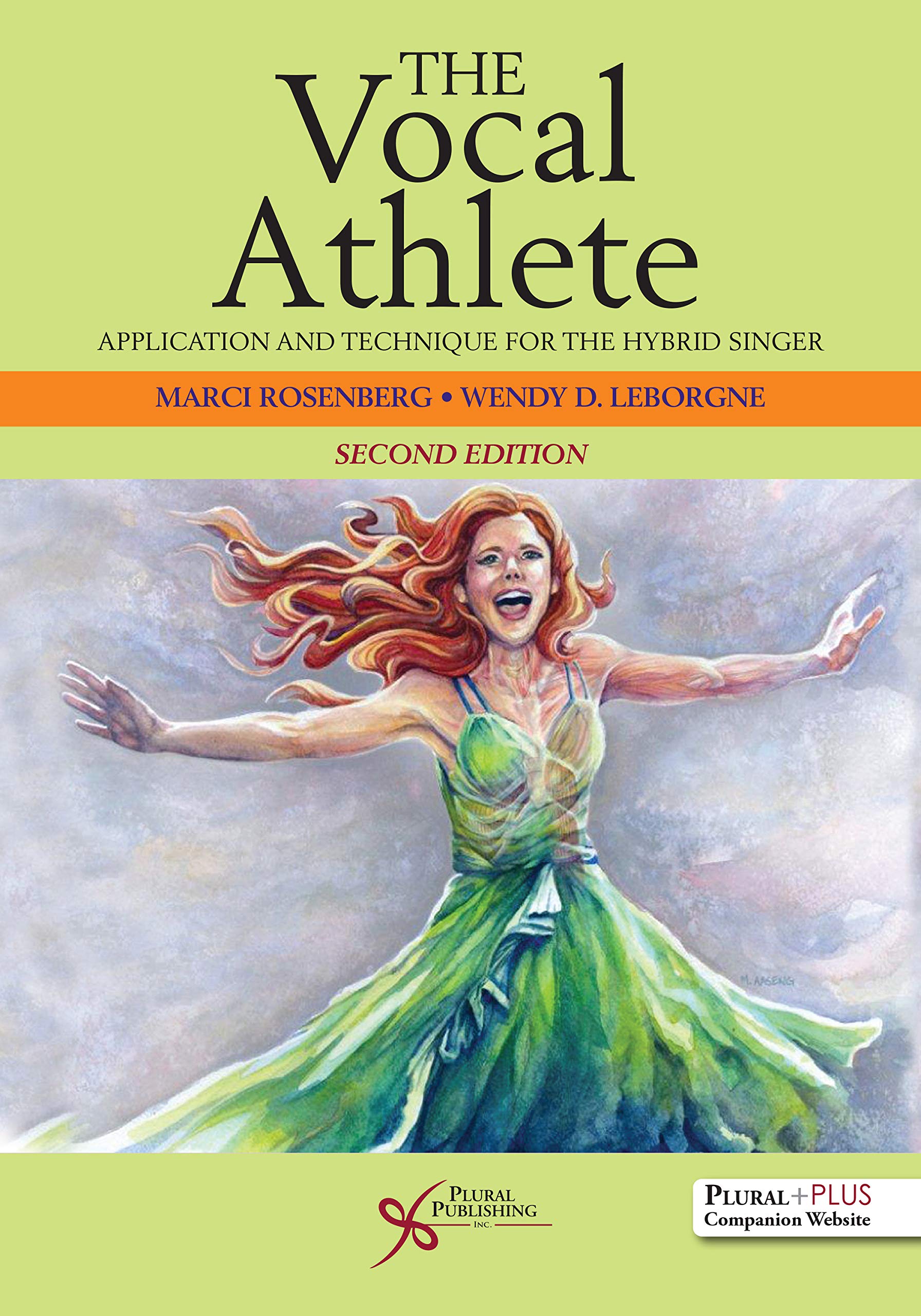
The Vocal Athlete by Wendy D. LeBorgne A science-based resource on vocal health, endurance, and efficient technique for serious singers and voice professionals.
Singing for the Stars by Seth Riggs A classic introduction to Speech Level Singing, focusing on smooth register transitions and effortless vocal production.

The Voice Book by Kate DeVore & Starr Cookman A clear guide to breath support, resonance, articulation, and healthy voice use for singers and speakers.

Raise Your Voice by Jaime Vendera A training programme for developing greater vocal power, stamina, range, and confidence in contemporary styles.
![[(Raise Your Voice 2: The Advanced Manual)] [Author: Jaime Vendera...](https://m.media-amazon.com/images/I/51gqBFKzjfL.jpg)
Books for Riffs, Runs & Jazz Improvisation
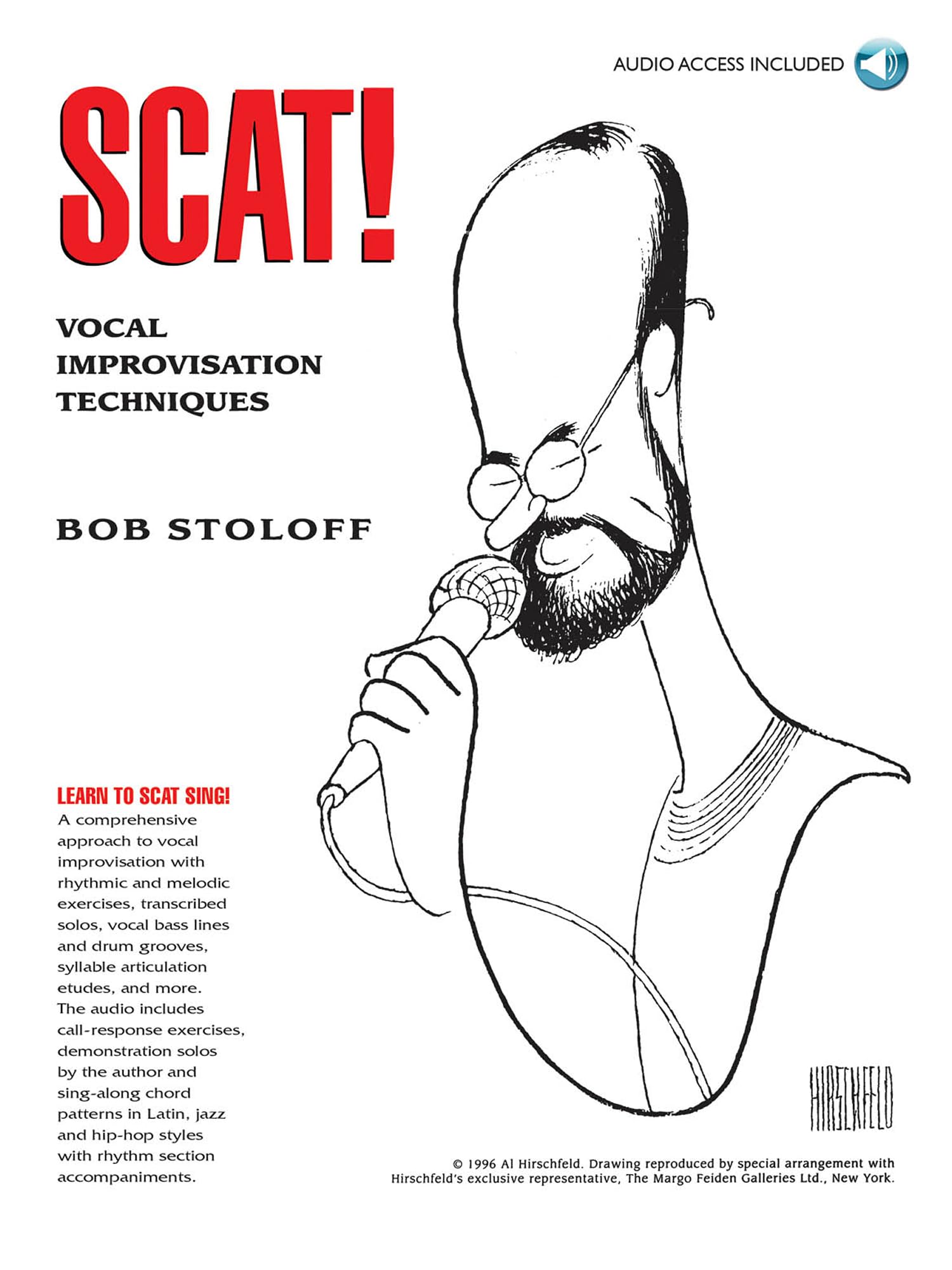
Scat! Vocal Improvisation Techniques by Bob Stoloff A practical guide to developing scat singing, vocal improvisation, rhythmic phrasing, and melodic creativity.
Vocal Workouts for the Contemporary Singer by Anne Peckham A comprehensive collection of exercises for improving tone, breath control, flexibility, and contemporary vocal technique.


More in this category


Discover more from The Vocal Coach London


Visit the Shop for Microphones, Vocal Exercises, Headphones & More