

How to Sing Riffs and Runs – Vocal Agility Techniques from Famous Singers
Photo: Stevie Wonder performing live with fellow musicians in a joyful moment of unity and rhythm — a celebration of gospel roots, soul music, and shared artistry. Photo by Kåre Eide – Courtesy of the National Library of Norway (CC0 license).
In This Guide
- Why Riffs and Runs Matter in Music
- The Best Singers for Riffs and Runs
- The Spiritual Roots of Riffs and Runs
- How to Improve Your Riffs and Runs
- Vocal Mastery in Action
- Ready to Record Your Riffs with Clarity
- FAQ: Gospel, Soul Music, and Vocal Runs
- Recommended Books
Riffs and runs are among the most recognisable features of modern vocal styles. Heard in gospel, soul, R&B, pop, jazz, and contemporary commercial music, they allow singers to shape melodies with greater flexibility, expression, and individuality. As a professional vocal coach, I regularly explore these skills in singing lessons, particularly when singers are developing vocal agility, breath control and greater precision in contemporary repertoire. This guide examines how leading vocalists use riffs and runs and how singers can develop these techniques systematically in their own practice.
Understanding Riffs, Runs, and Vocal Agility
Riffs and runs are essential techniques for contemporary vocalists, characterized by quick, fluid note transitions and intricate melodic phrasing. Mastering these techniques requires precision, breath control, and stylistic interpretation. Some of the world’s most legendary singers have perfected these elements, and we can learn directly from their approach.
Why Riffs and Runs Matter in Music
Emotional Impact: The Heart of the Song
Riffs: Think of a riff as the emotional backbone of a song. These are the repeated melodic phrases or chord progressions that grab your attention right away. For example, the iconic guitar riff in Michael Jackson’s Beat It creates a sense of urgency, while the bass riff in Queen’s Another One Bites the Dust exudes confidence and groove. Riffs are simple yet powerful in conveying mood.
Runs: In vocal music, a well-placed run can be breathtaking. Vocal runs—those quick successions of notes often found in R&B, gospel, and pop—are more than just technical exercises; they’re expressions of emotion. For instance, when Mariah Carey weaves intricate runs into her music, it adds layers of longing or elation, depending on the song. Runs allow singers to bring their personal touch to a melody, making each performance unique.
Voice Tip: If you’re exploring riffs or runs in your singing, think about the emotion you want to convey. A riff might set a steady foundation, while a run could elevate a moment to new emotional heights.
Memorability: What Sticks with the Listener
Riffs: Ever had a song stuck in your head because of a simple but unforgettable melody? That’s the magic of a well-crafted riff. Nirvana’s Smells Like Teen Spirit and The Rolling Stones’ Satisfaction are classics that owe much of their staying power to their riffs.
Runs: In vocal music, impressive runs can make a song stand out. Take Whitney Houston’s I Will Always Love You—those unforgettable embellishments leave an emotional imprint. When you incorporate runs into your singing, they can become a signature of your style, adding memorability to your performances.
Voice Tip: Experiment with creating your own riffs and runs. Even simple patterns can become powerful hooks when performed with confidence and consistency.
Build Your Vocal Agility Toolkit – Explore My Recommended Gear
The Best Singers for Riffs and Runs
Legendary Female Vocalists
Whitney Houston – The Queen of Melisma

Whitney Houston possessed a rare balance that few singers ever achieve: extraordinary control paired with complete emotional openness. Her voice never sounded forced, calculated, or overworked. Even in moments of great technical demand, there was a sense of ease — as if the voice simply knew where to go.
Whitney’s melisma was defined by clarity and intention. Her runs were smooth, unbroken, and perfectly aligned with breath, giving them a floating quality that made complexity sound simple. Songs such as I Will Always Love You, Greatest Love of All, Saving All My Love for You, and I Have Nothing show how she used vocal movement not to decorate a melody, but to deepen it. Each run felt like a continuation of the lyric, extending emotion rather than interrupting it.
What made her artistry especially powerful was restraint. Whitney never filled space unnecessarily. She allowed silence, long lines, and sustained notes to do their work, and when she chose to add a run, it carried weight. This sense of proportion gave her performances elegance and emotional impact, and it is one of the reasons her recordings still feel timeless.
Her gospel roots are audible in her phrasing — not in excess, but in confidence. She trusted her breath, her pitch, and her musical instincts completely. That trust translated into performances that felt both technically flawless and deeply human. Listeners did not hear effort; they heard conviction.
Whitney Houston’s influence reaches far beyond imitation. She set a standard for how agility, tone, and emotional truth can coexist in popular music. For singers today, her legacy is a reminder that the most powerful riffs are not the fastest or the most complex, but the ones that sound inevitable — as though no other choice could have expressed the moment more clearly.
Photo: Whitney Houston during the 1991 “Welcome Home Heroes” concert, televised by HBO. Celebrated for her soaring vocals and flawless melismatic control, Houston redefined the emotional power of vocal runs in pop and R&B.
Vocal Takeaway: Focus on breath control to sustain long, intricate runs with clarity.
Aretha Franklin – The Queen of Soul and the Art of Vocal Riffs

Aretha Franklin was not simply a great singer; she was a voice that carried history, emotion, and dignity in equal measure. Rooted in gospel and shaped by church, jazz, and the lived realities of Black America, her singing never felt decorative or superficial. Every phrase sounded earned. Every embellishment had purpose.
What set Aretha apart was not just vocal power, but authority. Her riffs were never about showing speed or range; they were extensions of speech, prayer, and conviction. She could turn a single word into a complete emotional statement, using subtle turns, bends, and runs to deepen meaning rather than distract from it. In her hands, melisma became communication.
Beyond technique, Aretha gave the world something rarer: permission. Permission to sound strong without apology, to be vulnerable without fragility, and to claim space through voice. Her performances resonated across boundaries of genre, background, and generation because they spoke to something universal — the need to be heard, respected, and understood.
As a soul singer, she bridged sacred and secular worlds, bringing the intensity of gospel into popular music without diluting its depth. As a cultural figure, she became a symbol of resilience and self-possession, especially for women who saw in her voice both power and truth. As a musician, she influenced countless singers not by imitation, but by example — showing that the most compelling artistry comes from sincerity, musical intelligence, and emotional honesty.
Aretha Franklin’s legacy is not confined to recordings or accolades. It lives in the way modern singers phrase a line, shape a run, or choose restraint over excess. She gave the world a standard — not of perfection, but of authenticity — and that gift continues to resonate wherever the human voice is used to express feeling, identity, and soul.
Listen to Aretha Franklin’s official “Greatest Hits” audio album on YouTube — a timeless collection showcasing her soulful phrasing and effortless vocal agility.
Mariah Carey – The Riff Queen

Mariah Carey occupies a unique place in modern vocal history because her agility never existed in isolation from songwriting, emotion, or popular culture. While she is often associated with extraordinary range and technical feats, what truly defines her work is how naturally those abilities are woven into songs people remember and live with.
From early recordings like Vision of Love, Love Takes Time, and Hero, Mariah reintroduced melisma and extended vocal phrasing into mainstream pop at a time when simplicity dominated radio. These songs didn’t just showcase technique; they reshaped how vocal expression could function inside a pop structure. Runs became emotional responses rather than embellishments, rising and falling with the lyric rather than sitting on top of it.
As her career evolved, tracks such as Always Be My Baby, Fantasy, Emotions, and We Belong Together revealed another layer of her musicianship — restraint, timing, and conversational phrasing. Her riffs often appear where speech would naturally intensify, mirroring how someone might talk when emotion overtakes words. This quality is what makes her influence so widespread: singers don’t just copy her notes, they absorb her sense of flow.
Mariah’s agility also carries a rhythmic intelligence shaped by gospel, R&B, and hip-hop. Her runs lock into groove, stretch behind the beat, or skim across it with intention. Even her whistle register, often treated as a novelty, functions musically — as colour, punctuation, or release — rather than spectacle alone.
What she gave to singers was not just a technical benchmark, but a new vocabulary. She demonstrated that complexity could live comfortably inside popular music, that precision and vulnerability could coexist, and that vocal freedom didn’t require abandoning melody or songcraft.
Today, her influence is audible across contemporary pop and R&B — in phrasing, in ornamentation, and in the confidence singers bring to vocal movement. Mariah Carey didn’t just popularise riffs and runs; she made them feel personal, expressive, and inseparable from the song itself.
Image credit: Mariah Carey performing at the 2009 Neighborhood Ball in Washington, D.C. Captured by TSgt Suzanne M. Day (U.S. Air Force). Public domain image.
Vocal Takeaway: Work on breaking down runs into smaller note groupings, gradually increasing speed.
Christina Aguilera – Raw Power and Control
Christina Aguilera’s voice is defined by intensity — but what often goes unnoticed is how much control sits beneath that intensity. Her riffs draw heavily from soul, blues, and gospel traditions, yet they are delivered with a contemporary edge that makes them feel direct and emotionally exposed rather than polished for comfort.
Songs like Ain’t No Other Man, Fighter, and Hurt reveal how she uses vocal movement as expression rather than decoration. Her runs often involve bends, scoops, and gritty inflections, mirroring the emotional tension in the lyric. There is a sense of risk in her singing — she leans into the sound, allowing texture and rawness to coexist with precision.
What Christina brought to modern pop was permission to sound imperfectly human. She demonstrated that agility does not have to be smooth to be musical, and that vocal power can be expressive without being restrained. Her approach resonates strongly with singers drawn to blues, soul, and emotionally charged performance, where truth matters more than polish.
Vocal Takeaway: Focus on releasing unnecessary tension while maintaining pitch clarity. Controlled bends and expressive transitions work best when they come from intention, not force.
Beyoncé – Mastery Through Precision

Beyoncé’s vocal agility is built on discipline, consistency, and extraordinary awareness. Her runs are not excessive or show-driven; they appear exactly where the music asks for them. This sense of placement is what makes her approach so influential — every note feels chosen, not added.
In songs such as Love on Top, Dangerously in Love, and Halo, her riffs emerge seamlessly from the melody, often surprising the listener with their clarity and timing. She transitions between registers with ease, maintaining tonal stability even in fast, complex passages. There is a quiet confidence in her delivery — the voice never rushes, never overreaches.
What sets Beyoncé apart is reliability. Night after night, her voice performs with the same control and focus, even under the physical demands of choreography and staging. This consistency has reshaped expectations of what modern vocal performance can be, particularly for artists balancing technique with movement and presence.
Her influence lies not in vocal excess, but in mastery. She shows that agility, when grounded in breath, rhythm, and structure, becomes something sustainable and expressive rather than flashy.
Vocal Takeaway: Work on precision and timing. Clean runs placed thoughtfully will always carry more impact than speed alone.
Image credit: Official White House Photo by Pete Souza. Public domain image.
Ariana Grande – Agility and Control
Ariana Grande represents a modern continuation of the melismatic tradition, filtered through contemporary pop and R&B. What distinguishes her singing is not just agility, but the ease with which it appears. Her runs feel light, buoyant, and unforced, often floating above the rhythm rather than driving through it.
Songs such as Dangerous Woman, Into You, God Is a Woman, and Positions highlight her ability to move rapidly between notes while maintaining a soft, flexible tone. Much of her agility lives in a well-developed head voice and mix, allowing her to execute fast passages without weight or strain. This gives her runs a smooth, almost elastic quality that feels modern and approachable rather than dramatic.
Ariana’s phrasing shows strong awareness of space. She frequently places runs at the end of phrases or uses them as gentle responses to the lyric, rather than constant embellishment. This restraint keeps the sound clean and listenable, even when the technique itself is demanding. Her background in theatre is also audible in her consistency and control, particularly in how she sustains clarity at higher pitches.
What she has contributed to contemporary singing is a sense of lightness. She demonstrates that agility does not need to be loud, heavy, or aggressive to be effective. Instead, control, balance, and vocal economy can create speed and precision with far less effort.
Vocal Takeaway: Develop head voice and mixed coordination so runs can move freely between notes. Agility improves when the voice stays flexible and well-balanced rather than pushed.
Legendary Male Vocalists
Stevie Wonder – Soulful Phrasing and Agility

Stevie Wonder’s vocal agility is inseparable from his musicianship. His runs never feel added on; they grow naturally out of harmony, rhythm, and groove. What makes his singing so distinctive is the way movement in the voice feels conversational, as if the melody is thinking out loud rather than performing.
Songs such as Ribbon in the Sky, Overjoyed, Knocks Me Off My Feet, and Isn’t She Lovely reveal how effortlessly he weaves subtle runs into lyrical lines. His phrasing draws heavily from jazz and soul traditions, using timing, syncopation, and gentle slides rather than speed alone. Notes melt into one another, creating a sense of continuity that feels warm and deeply expressive.
Stevie’s runs are rarely flashy. Instead, they are elastic and relaxed, shaped by breath and rhythmic awareness rather than force. He often places embellishments slightly behind the beat, giving them a laid-back quality that enhances emotional intimacy. This approach teaches an important lesson: agility does not need to sound busy to be effective.
What he has given singers is a model of musical intelligence. His voice listens as much as it speaks, responding to harmony and lyric in real time. That sensitivity is why his vocal lines feel timeless — they belong as much to the song as to the singer.
Stevie Wonder shows that the most compelling runs are not about complexity, but about connection. When phrasing is rooted in feel, harmony, and meaning, even the simplest embellishment can carry extraordinary depth.
Photo by Kåre Eide – Courtesy of the National Library of Norway (CC0 license). Stevie Wonder on stage at Drammenshallen, Norway in May 1981.
Vocal Takeaway: Study jazz-influenced phrasing and rhythmic placement. Smooth, expressive runs come from listening closely to harmony and allowing the voice to move with the groove rather than against it.
Michael Jackson – Precision and Rhythm
Michael Jackson’s vocal agility was built on extraordinary precision rather than excess. His riffs were fast, clean, and rhythmically exact, often delivered with a sharpness that made every note feel intentional. Nothing in his singing sounded accidental. Each run landed exactly where the groove demanded it.
Songs such as Who’s Loving You, Human Nature, Don’t Stop ’Til You Get Enough, and Rock with You reveal how he combined pop clarity with deep R&B influence. His runs were compact and articulate, frequently executed in short bursts rather than extended passages. This gave his singing a percussive quality that locked tightly into rhythm and dance, reinforcing the physicality of his performances.
What set Michael apart was control at speed. Even the quickest embellishments remained clearly pitched, rhythmically aligned, and emotionally focused. His articulation was exceptionally refined, allowing him to move rapidly between notes without blurring consonants or losing tonal centre. This clarity made his vocals instantly recognisable and endlessly repeatable.
Michael also understood contrast. He often paired sharp, precise runs with moments of stillness or breathy intimacy, creating tension and release within a phrase. This balance kept his singing exciting without ever feeling crowded. His influence on modern vocal phrasing is immense. Many contemporary pop and R&B singers inherit his approach to timing, attack, and rhythmic accuracy, whether consciously or not. He demonstrated that agility could be disciplined, lean, and deeply musical.
Vocal Takeaway: Work on articulation and clean vocal onset. Precision in runs comes from clarity of attack, rhythmic focus, and deliberate note placement rather than sheer speed.
Michael Jackson & Seth Riggs: Rare Vocal Training Session (1994)
This rare 1994 recording captures Michael Jackson working one-on-one with his renowned vocal coach Seth Riggs, the founder of the Speech Level Singing technique. Over the course of the session, Riggs guides Jackson through scales, vowel modifications, and high-register exercises, revealing the discipline and precision behind Jackson’s legendary vocal control. Listeners can hear how even a superstar at the peak of his career maintained his voice through structured training and expert guidance.
Video courtesy of Chief Mouse on YouTube.
Usher – Smooth R&B Phrasing
Usher’s vocal style is built on control, ease, and emotional subtlety. His riffs are rarely showy; instead, they glide naturally through the phrase, reinforcing mood rather than drawing attention to technique. In songs like U Got It Bad, Burn, and Nice & Slow, his melisma feels conversational, shaped by breath and timing more than speed.
What makes Usher distinctive is how comfortably his voice sits inside the groove. Runs unfold smoothly, often at the ends of phrases, giving the music space while maintaining intimacy. This balance between restraint and expression has made his approach a reference point for modern R&B singers.
Vocal Takeaway: Prioritise steady breath support and relaxed transitions. Smooth runs come from continuity and control, not from forcing movement between notes.
Sing Like the Greats – Discover Tools That Support Your Sound
After exploring some of the greatest voices who defined vocal agility across generations, it becomes clear that the true origins of riffs and runs lie far deeper — in the traditions of Gospel and Soul music.
The Roots of Riffs and Runs: Gospel and Soul Music
Before riffs and runs became part of popular music, they were developed within Gospel traditions. Gospel singing was never simply about vocal display; it was a form of expression that connected music, community, and personal experience. Within that environment, singers learned to extend, reshape, and ornament melodic phrases in ways that communicated emotion with exceptional depth and individuality.
As Gospel music evolved, it played a major role in shaping Soul music. Artists such as Aretha Franklin and Sam Cooke carried many of these vocal traditions into mainstream recording and performance. Techniques that began in churches gradually found their way into concert halls, radio broadcasts, and recording studios, influencing generations of singers across multiple genres.
For today’s singers, studying Gospel and Soul offers valuable lessons in phrasing, breath control, musical freedom, and emotional communication. The most effective riffs and runs are not defined by speed alone, but by their ability to support the meaning of the lyric and strengthen the connection between singer and listener. Understanding these traditions provides important context for anyone seeking to develop vocal agility in a musical and expressive way.
How to Improve Your Riffs and Runs
Riffs and runs aren’t decorative add-ons. They’re part of musical speech. When they work, they sound natural and inevitable; when they don’t, they feel rushed or disconnected. Developing them well takes time, and it starts with clarity rather than speed.
Start Slowly and Keep It Clean Every run that sounds effortless at full tempo was built slowly. Break the phrase down and sing it at a pace where every note is clearly placed. If something feels unstable or blurred when it’s slow, it won’t fix itself by going faster. Slow practice trains accuracy, coordination, and control — the things speed depends on later.
Use Scales That Actually Appear in Music Scales aren’t just exercises; they’re the shapes music is made of. Pentatonic patterns are especially useful for pop, blues, gospel, and R&B because they sit comfortably in the voice and sound musical almost immediately. Major scales help with clarity and balance, while minor and harmonic colours introduce tension and emotion. Practise them in fragments, not just straight up and down, so they start to feel like real phrases rather than drills.
Let Breath Support the Movement Riffs don’t need more air — they need steadier air. When breath is inconsistent, runs feel heavy and effortful. Focus on keeping the airflow even and relaxed, allowing the voice to move without pushing. When breath support is right, agility feels lighter and far more reliable.
Think Rhythm First, Notes Second Great runs live inside the groove. Before worrying about how many notes are in a riff, pay attention to where it sits rhythmically. Practising with a metronome, or clapping the rhythm before singing, helps enormously. In jazz, pop, and soul-based styles, placement is everything. A simple run placed well will always sound better than a complex one placed poorly.
Listen With Purpose, Not Imitation Alone Listening is part of practice. Study singers you admire and notice how they shape runs — where they start them, how they resolve them, and how often they choose not to use them at all. Sing along, then change the key, the rhythm, or the phrase so the idea becomes yours. The goal isn’t copying; it’s understanding.
Build Range Before Calling It “Style” Personal style comes from having options. The more shapes and patterns your voice is comfortable with, the more naturally it will choose what fits in the moment. Over time, certain tendencies will emerge, and your runs will start to sound consistent and intentional without forcing a “signature” sound.
Keep Runs Musical Agility should serve the song, not interrupt it. Practise runs within real lyrics and real chord progressions, and always ask whether they add expression or distract from it. Knowing when not to run is just as important as knowing how.
Riffs and runs develop over time, but when they’re trained patiently and musically, they stop feeling like a technique and start feeling like speech — a natural extension of how you express rhythm, emotion, and meaning through the voice.
Train Smarter – Professional Tools for Vocal Precision
Vocal Mastery in Action: Expert Insights on Riffs, Runs and Musical Phrasing
To deepen your understanding of vocal agility, melismas, and musical storytelling, I’ve selected two excellent video resources that complement the techniques discussed throughout this guide. Featuring respected vocal coaches and performers, these lessons provide practical exercises, stylistic insights, and useful approaches that can help singers develop greater control, flexibility, and musical expression.
Mastering Riffs and Runs with the Pentatonic Scale
Mastering Riffs and Runs: Vocal Agility with Paul McKay (One Voice Music Academy)
This detailed lesson from Paul McKay of One Voice Music Academy is an excellent resource for singers looking to improve agility, speed, and control when performing riffs and runs. Paul breaks down the mechanics of melismatic singing in a clear and practical way, providing exercises designed to build consistency and accuracy through regular practice. His step-by-step approach makes advanced vocal concepts easier to understand, particularly for singers interested in the styles often heard in gospel, R&B, and contemporary pop music.
Whether you are a beginner or an experienced vocalist, this tutorial offers valuable guidance for developing smoother note transitions and greater vocal flexibility. Paul also addresses common challenges singers encounter when practising runs and demonstrates methods for improving coordination and precision. Combined with clear musical examples, this lesson provides a useful foundation for singers seeking to strengthen their vocal agility and overall musicianship.
By Paul McKay – One Voice Music Academy
Sing the Blues Scale: Improvisation Techniques with Gabrielle Goodman (Berklee)
In this excellent vocal session, acclaimed Berklee professor Gabrielle Goodman guides singers through the foundations of blues scale improvisation, providing a practical introduction to R&B phrasing, stylistic development, and creative expression. Drawing on decades of performance and teaching experience, she demonstrates how the blues scale functions as an essential building block for expressive singing across jazz, soul, gospel, and contemporary genres.
This lesson goes beyond scales and exercises. Gabrielle emphasises the importance of musical instinct, phrasing, and emotional communication when applying blues vocabulary to vocal lines. Her approachable teaching style makes the material accessible to developing singers, while more experienced vocalists will appreciate the deeper insights into improvisational approaches heard in artists such as Aretha Franklin and Etta James.
Whether you are a classical singer exploring crossover repertoire or a vocalist working in pop, gospel, soul, or R&B, this session provides a practical and musical pathway toward greater confidence in improvisation. It is an inspiring resource for singers looking to develop expressive freedom while maintaining strong musical foundations.
For a deeper exploration of Gabrielle Goodman’s teaching, the complete Berklee vocal training playlist is available below.
Ready to Record Your Riffs with Clarity?
Riffs and runs require precision. Every note, transition, and subtle vocal inflection must be captured clearly without losing speed, expression, or musicality. Whether you sing gospel, soul, pop, musical theatre, classical crossover, or opera, the same challenge remains: translating vocal agility into a recording that accurately reflects your performance.
The guides below explain the microphones, headphones, and recording technologies commonly used by singers, content creators, and recording studios. They provide a practical introduction to the tools that help preserve vocal detail, improve monitoring, and support more effective practice and recording sessions.
- Dynamic Microphones for Singers Guide
- Condenser Microphones for Vocals Guide
- Wireless Microphones for Performers Guide
- Studio Headphones Guide
- Lifestyle Headphones Guide
- The History of Sound Recording
If you found this helpful and would like to support future research and free educational content, you can support this project.
FAQ – Gospel, Soul Music and Vocal Runs
What is the connection between gospel music and vocal runs?
Gospel singing is one of the primary foundations of modern riffs and runs. Within Gospel traditions, singers often improvise melodic lines to express emotion, meaning, and personal interpretation. These approaches later influenced Soul, R&B, and contemporary Pop vocal styles.
How does soul music shape a singer’s vocal expression?
Soul music prioritises honesty, tone, and emotional communication. Artists such as Aretha Franklin and Stevie Wonder use runs to intensify feeling, transforming vocal technique into a form of storytelling rather than decoration.
Are riffs and runs only for R&B singers?
No. While riffs and runs are strongly associated with Gospel and R&B traditions, they are also widely used in Pop, Jazz, Musical Theatre, and Classical Crossover repertoire. Developing vocal agility can improve flexibility, coordination, and control regardless of musical style.
How can I learn to sing riffs and runs like Gospel and Soul artists?
Begin by listening carefully to singers such as Aretha Franklin, Stevie Wonder, and Mariah Carey. Practise short phrases slowly, maintain stable breath support, and gradually increase speed while preserving accurate pitch and rhythm.
What scales are most useful for practising vocal runs?
Pentatonic, Blues, and Major scales provide excellent foundations. Practise them slowly at first, vary the rhythm and direction, and pay close attention to vowel shaping to keep runs smooth, connected, and expressive.
Conclusion
Riffs and runs are far more than vocal embellishments. They are tools for storytelling, emotional communication, and artistic expression. Whether you are incorporating a memorable riff into a song or developing greater agility in your vocal practice, these techniques can add depth, personality, and musical interest to your performances.
By studying how influential artists use riffs and runs, singers can develop a stronger understanding of phrasing, timing, expression, and vocal freedom. Explore these techniques gradually, remain patient with the learning process, and allow your own musical voice to emerge naturally over time.
Further Reading
Explore additional resources designed to improve vocal technique, breath control, coordination, and overall singing confidence.
- 5 Key Tips to Improve Your Singing Technique Today
- Diaphragmatic Breathing for Singers
- How to Sing Better: Vocal Coach Strategies for Success
The Voice Shop – Handpicked Accessories for Serious Singers
Bonus – The Science Behind Riffs and Runs
Riffs and runs are not driven by agility alone. They rely on precise coordination between the larynx, vocal folds, respiratory system, and surrounding musculature. The educational resources below provide a useful introduction to the anatomy and physiology that support vocal flexibility and control.
How the Larynx Produces Sound: Muscles and Cartilages in Action
This animated presentation from Bethea Medical Media provides a clear visual explanation of how the larynx generates sound. The video illustrates the actions of the intrinsic laryngeal muscles and associated cartilages, showing how they coordinate to produce changes in pitch and vocal quality. Even without narration, the animations offer valuable insight into the mechanics behind vocal agility, pitch control, and efficient phonation.
Breathing Process in Humans: How the Diaphragm Supports the Voice
Useful Links
- Human Respiratory System: The Mechanics of Breathing – Britannica
- Diagram of the Human Respiratory System – LiveScience
Related Blogs
- Looking to improve your vocal agility? Explore Diaphragmatic Breathing for Singers.
- Want to develop greater vocal flexibility? Read How to Sing Better: Vocal Lessons & Essential Techniques.
- Vocal agility is about more than speed. Discover how breath, emotion, and expression work together in Sing with Meaning: Breath, Emotion & Expression in Vocal Performance.
Recommended Books
Disclosure: The links below are Amazon affiliate links. If you choose to make a purchase, I may receive a small commission at no additional cost to you. This helps support the creation of educational resources for singers, speakers, and voice professionals.
Set Your Voice Free by Roger Love
Roger Love, renowned vocal coach to the stars, offers a clear and accessible method to unlock your voice. This book includes practical exercises that strengthen tone, pitch, and projection. Perfect for aspiring performers, speakers, and singers alike.

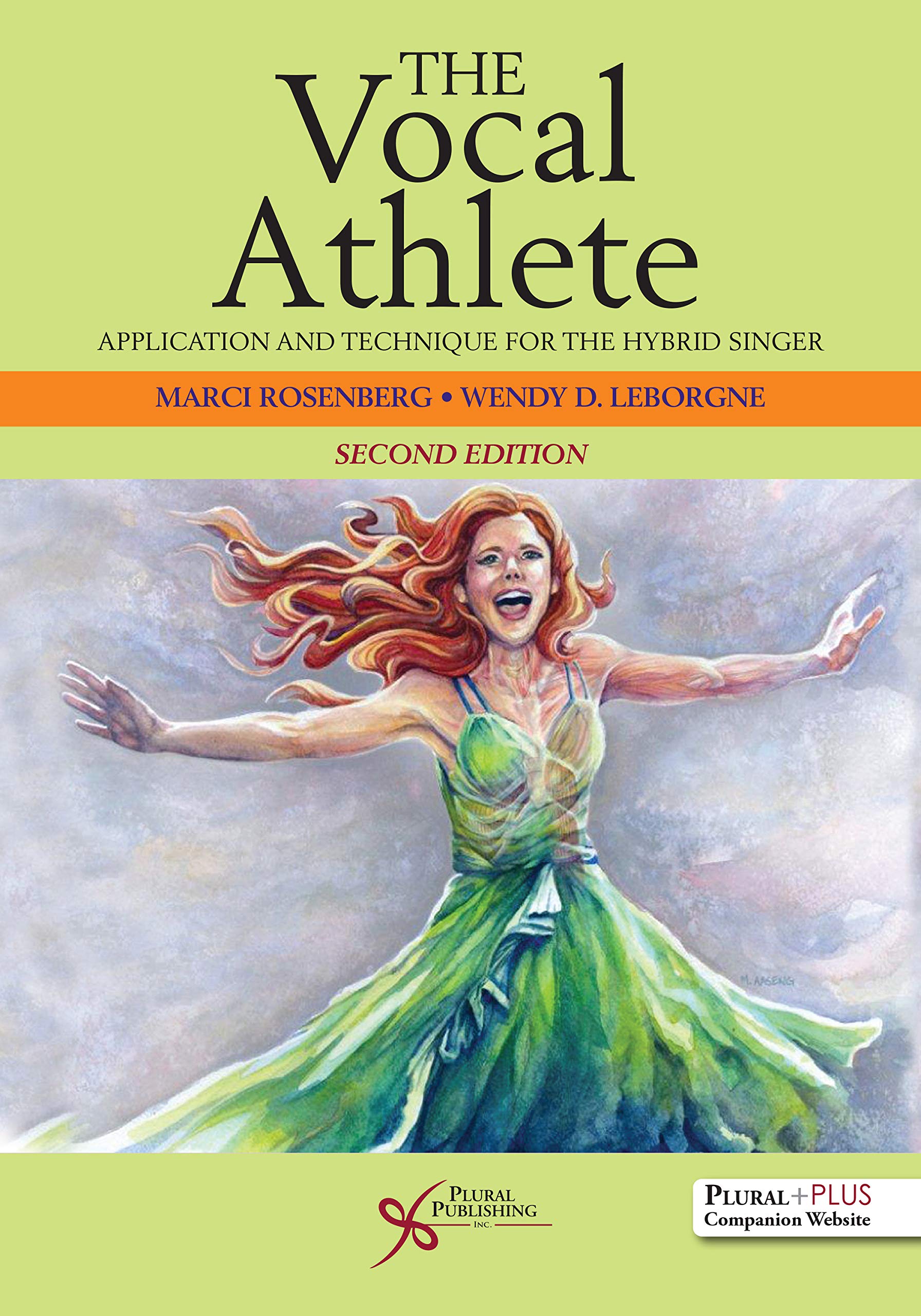
The Vocal Athlete by Wendy D. LeBorgne
A comprehensive training manual combining science and artistry. Designed for voice professionals, this guide addresses stamina, vocal health, and technical mastery. Ideal for singers who treat their voice as an instrument to be carefully conditioned.
Singing for the Stars by Seth Riggs
Based on the Speech Level Singing technique, this classic text has shaped many of today’s leading vocalists. It teaches smooth transitions across vocal registers without strain and remains a valuable resource for singers seeking greater control and consistency.


The Voice Book by Kate DeVore & Starr Cookman
A practical guide covering breath support, resonance, articulation, and vocal presence. Suitable for singers and speakers alike, it connects technical development with effective communication.

Raise Your Voice by Jaime Vendera
A results-oriented system focused on expanding range, power, and vocal stamina. Particularly popular among rock and contemporary singers seeking greater vocal strength and endurance.
![[(Raise Your Voice 2: The Advanced Manual)] [Author: Jaime Vendera...](https://m.media-amazon.com/images/I/51gqBFKzjfL.jpg)
Riffs, Runs and Jazz Improvisation
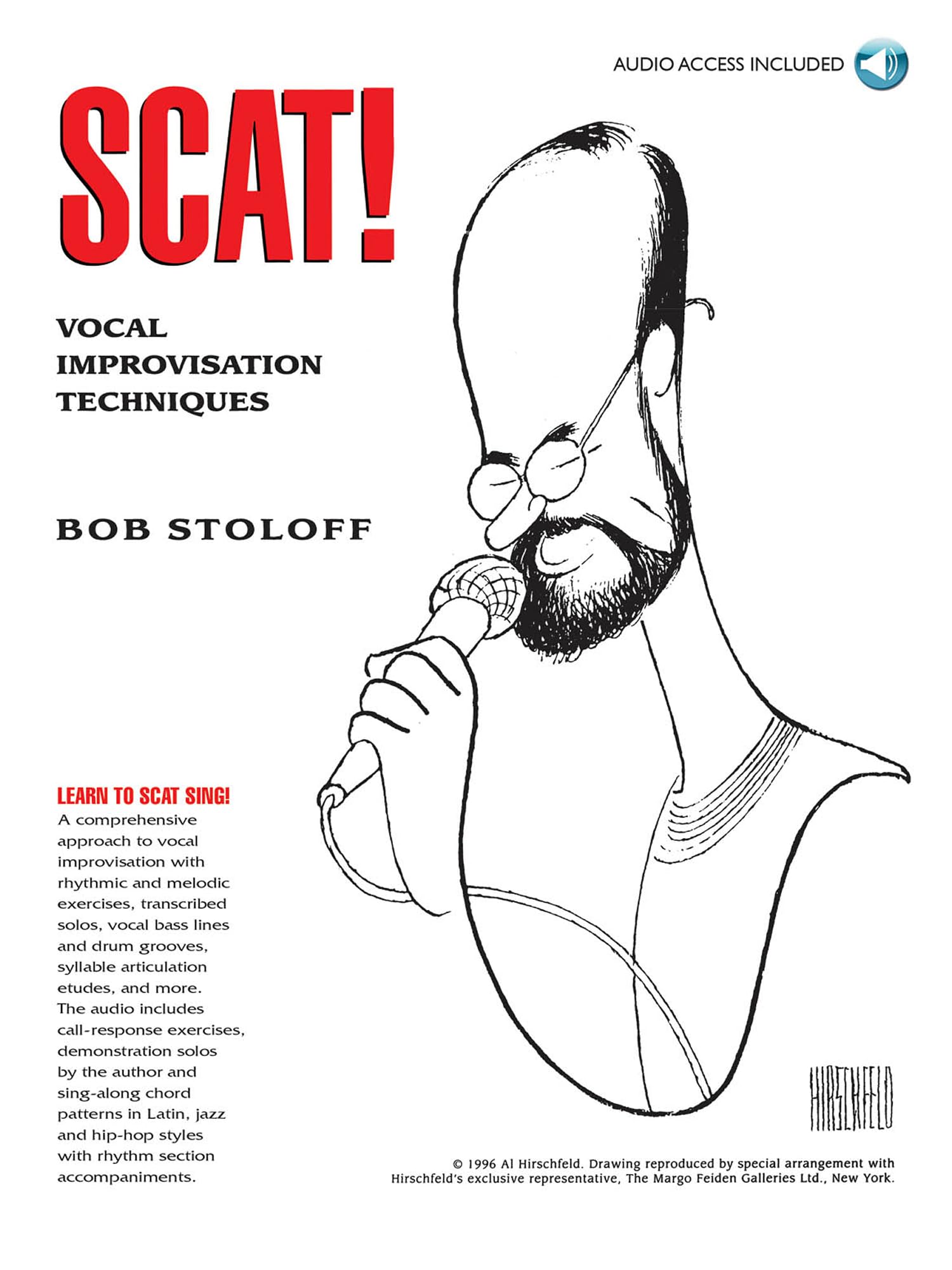
Scat! Vocal Improvisation Techniques by Bob Stoloff
This practical method by acclaimed jazz educator Bob Stoloff introduces singers to scat singing through structured musical exercises. Topics include articulation, rhythmic phrasing, pitch variation, and improvisational development.
Vocal Workouts for the Contemporary Singer by Anne Peckham
Published by Berklee Press, this comprehensive resource combines vocal warm-ups, style exercises, breathing strategies, pitch training, and phrasing development. Suitable for singers working in pop, R&B, jazz, and musical theatre.

Related Guides