

How to Sing Better: Vocal Coach Strategies for Success
Breathing correctly while singing is fundamental to maintaining vocal health and preventing fatigue. Here, we’ll explore techniques to optimize your breathing and use your voice efficiently.
1. Avoid Forcing Your Voice
One common mistake singers make is using excessive air pressure. Overloading your vocal cords can lead to strain and fatigue. Instead, focus on using just enough air to produce the desired sound without pushing too hard. Singing with ease not only protects your voice but also allows you to produce a clearer, more resonant tone.
Master the Art of Singing with Expert Insights
Unlock the secrets of professional singing with expert insights and techniques. Whether you’re an aspiring performer or a seasoned vocalist, mastering breath control, vocal clarity, and efficient sound production is key to long-term success. In this guide, we explore proven vocal coach strategies that will help you sing with ease, avoid strain, and achieve a more resonant and controlled voice. Let’s take your singing to the next level.
2. Mastering Controlled Breathing

Controlled breathing ensures your voice remains steady and clear. Practice singing scales with slow, deep breaths to develop this skill. Remember, the goal is to let your breath flow naturally without constriction. Incorporating breathing exercises into your warm-up routine can significantly enhance your breath control over time.
3. Be Clear with Consonants and Vowels
Clarity in your diction can greatly improve your singing performance. Vocal folds need a clear message to deliver the best result. Pay attention to how you articulate consonants and vowels to create a more precise and impactful sound. This not only enhances your vocal clarity but also improves audience comprehension of the lyrics.
4. Use “Belting” and Activate Your Core
Belting is a powerful technique often used in higher vocal ranges. To do this safely, engage your core muscles to support the sound. This approach allows you to produce strong, resonant high notes without straining your voice. Combining this with proper breathing techniques ensures a balanced and sustainable vocal performance.
5. Align Your Mind and Body
Singing involves both physical and mental coordination. Visualize the airflow and the notes you’re producing. Compare it to gently opening a door: whether you push hard or lightly, the door opens just the same. Similarly, sing with ease to maintain vocal stamina. A calm and focused mind can help you achieve better breath support and vocal control.
6. Practice Self-Analysis and Breathing Awareness
To optimize your singing, take time to explore how you breathe and manage your voice. A good vocal coach can guide you in the right direction, but personal exploration is equally important. Regularly analyze your breathing patterns, including your inhale-exhale technique, to identify areas for improvement. This self-awareness can lead to fantastic results in your vocal journey.
By implementing these strategies, you can sing longer and with more ease, preserving your voice for years to come. Check out resources and videos to see these principles in action and apply them to your practice. With consistent effort, you’ll develop a sustainable singing technique that supports vocal longevity.
Frequently Asked Questions on Breathing, Technique & Vocal Control
.
How the Larynx Produces Sound: Muscles and Cartilages in Action
This animated video from Bethea Medical Media provides a clear schematic view of how the larynx works to produce sound. It illustrates the movements of the intrinsic laryngeal muscles and the surrounding cartilages, showing how they coordinate to create both lower and higher pitches. Even without spoken narration, the combination of visuals and background sound makes it easy to observe how the vocal folds lengthen and adjust when higher pitches are produced, and how the cartilages shift to fine-tune vocal control. A valuable resource for anyone interested in understanding the anatomy behind singing and speaking.
Breathing Process in Humans: How the Diaphragm Powers the Voice
This educational video from MooMooMath and Science explains the breathing process in a clear and engaging way. Step by step, it shows how air flows from the nose and mouth through the pharynx, larynx, and trachea into the lungs, and how the diaphragm contracts and relaxes to create airflow. Along the way, it highlights the roles of the epiglottis, rib cage, and alveoli in filtering air, supporting oxygen exchange, and preparing the breath that singers and speakers rely on to produce sound. The presenter’s straightforward style makes complex anatomy easy to understand, connecting everyday breathing with the foundation of vocal performance.
Michael Jackson & Seth Riggs: Rare Vocal Training Session (1994)
This rare 1994 recording captures Michael Jackson working one-on-one with his renowned vocal coach Seth Riggs, the founder of the Speech Level Singing technique. Over the course of the session, Riggs guides Jackson through scales, vowel modifications, and high-register exercises, revealing the discipline and precision behind Jackson’s legendary vocal control. Listeners can hear how even a superstar at the peak of his career maintained his voice through structured training and expert guidance.
Video courtesy of Chief Mouse on YouTube.
Useful links
Human respiratory system. The Mechanics Of Breathing. Britannica.com
Diagram of the Human Respiratory System (Infographic). Livescience.com
Related Blogs
- Looking to improve your vocal agility? Check out this guide on diaphragmatic breathing.”
- Want to master vocal flexibility? Read about How to Sing Better: Vocal Lessons & Essential Techniques“
- True vocal agility is more than speed — it’s about meaning and emotional connection. Discover how to bring breath, feeling, and expression into every phrase in this companion guide.Sing with Meaning: Breath, Emotion & Expression in Vocal Performance
Recommended Books
As an Amazon Associate, I earn from qualifying purchases. Product details, pricing, and safety information are provided directly by Amazon.
Set Your Voice Free by Roger Love
Roger Love, renowned vocal coach to the stars, offers a clear and accessible method to unlock your voice. This book includes practical exercises that strengthen tone, pitch, and projection. Perfect for aspiring performers, speakers, and singers alike.

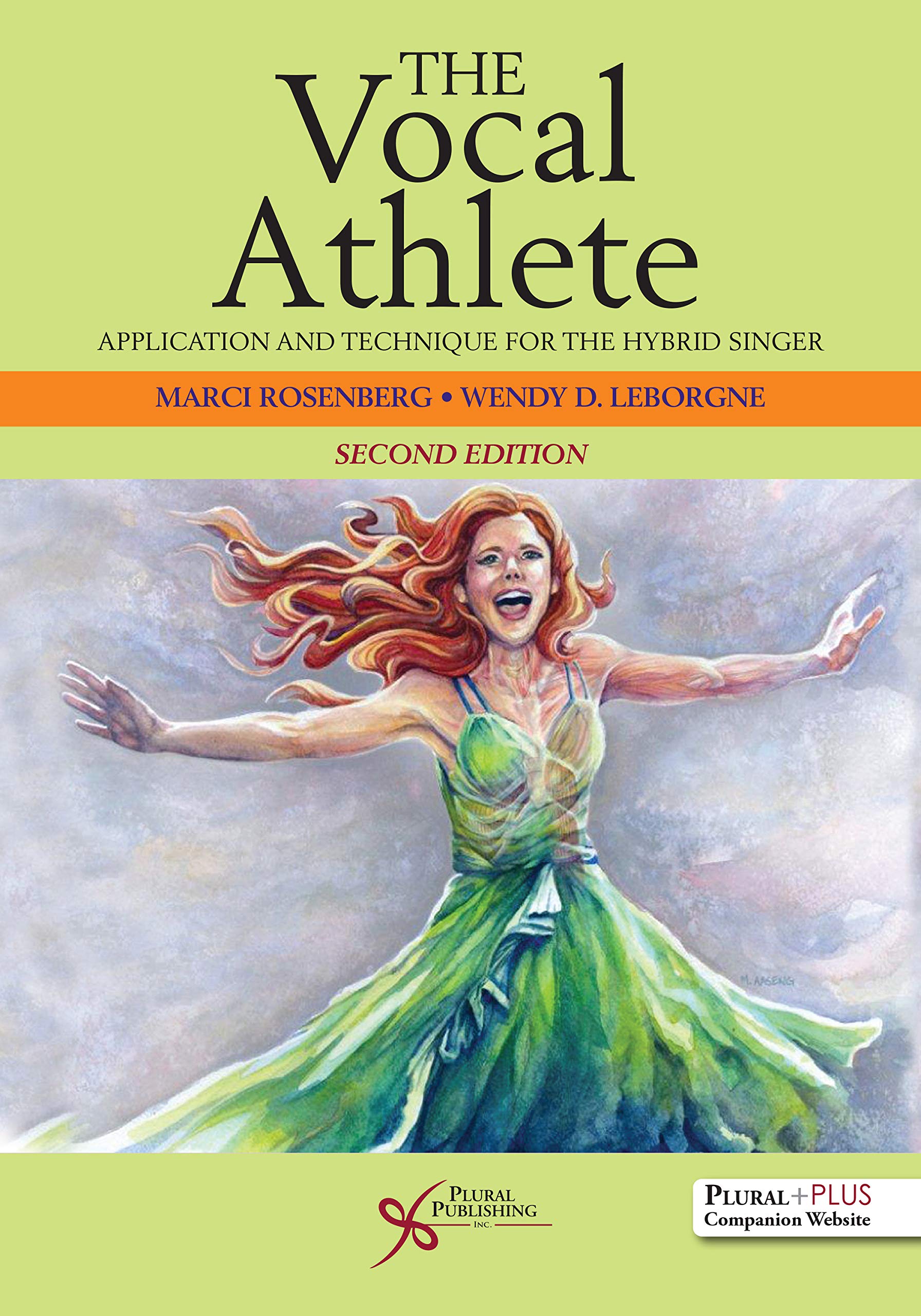
The Vocal Athlete by Wendy D. LeBorgne
A comprehensive training manual combining science and artistry. Designed for voice professionals, this guide addresses stamina, vocal health, and technical mastery. Ideal for singers who treat their voice as an instrument to be finely conditioned.

Singing for the Stars by Seth Riggs
Based on the Speech Level Singing technique, this classic text has shaped many of today’s top vocalists. It teaches how to transition smoothly across vocal registers without strain. A must-read for singers seeking power, control, and effortless sound.

The Voice Book by Kate DeVore & Starr Cookman
A user-friendly guide covering breath support, resonance, articulation, and vocal presence. Geared toward both singers and speakers, this book bridges technique with expressive communication. Excellent for those who use their voice professionally in any field.

Raise Your Voice by Jaime Vendera
An intense, results-driven system for expanding range, power, and vocal stamina. Vendera’s techniques challenge conventional training with a focus on volume, durability, and confidence. A favorite among rock and metal vocalists.
![[(Raise Your Voice 2: The Advanced Manual)] [Author: Jaime Vendera...](https://m.media-amazon.com/images/I/51gqBFKzjfL.jpg)
Riffs, Runs & Jazz Improvisation
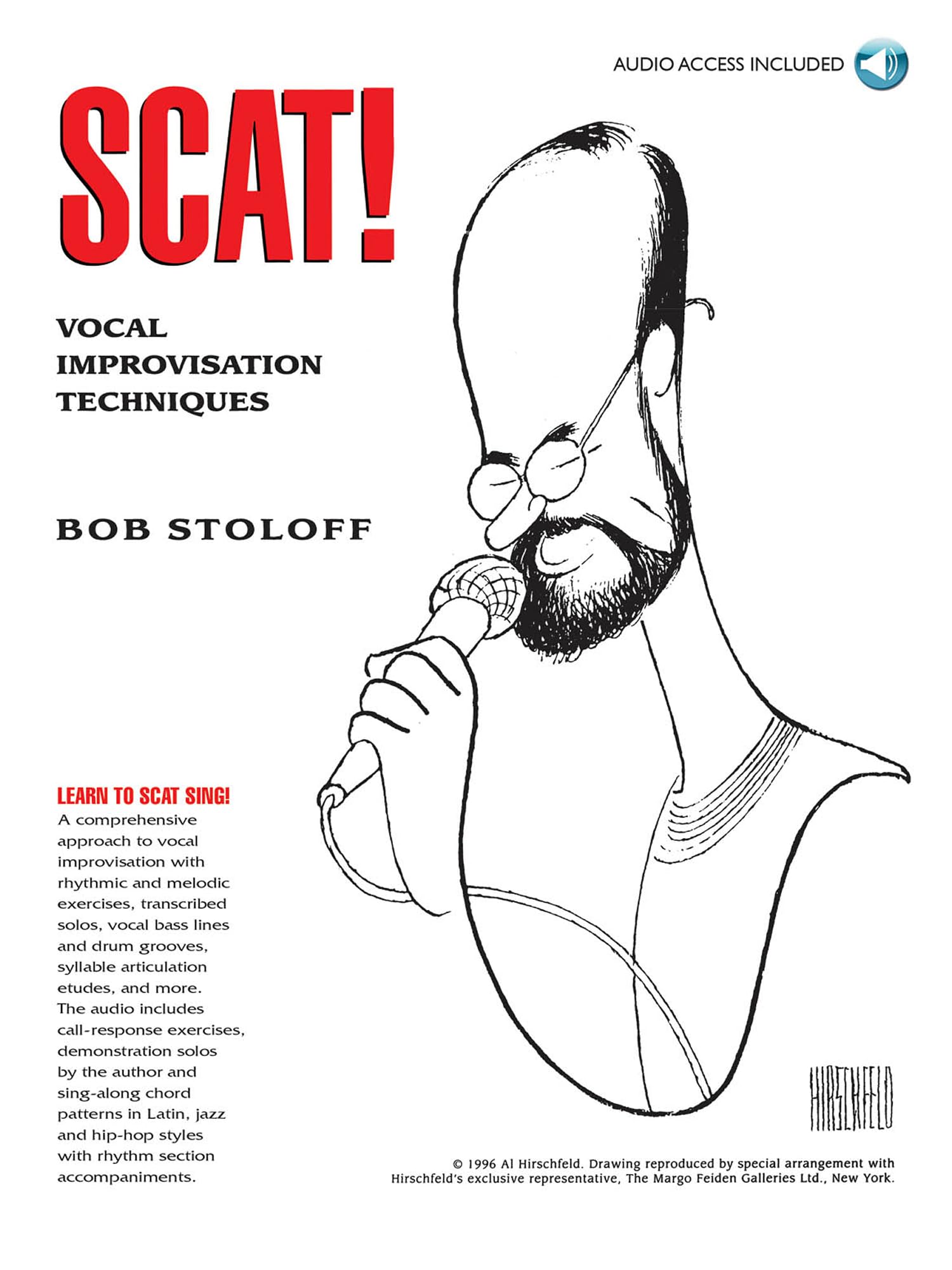
Scat! Vocal Improvisation Techniques by Bob Stoloff
This hands-on method by acclaimed jazz educator Bob Stoloff introduces singers to the art of scat through structured, musical exercises. It covers syllable articulation, rhythmic phrasing, pitch variation, and call-and-response techniques to help vocalists improvise with confidence and musicality. Ideal for jazz singers and adventurous vocalists looking to expand their creative freedom and stylistic agility.
Vocal Workouts for the Contemporary Singer by Anne Peckham
Published by Berklee Press, this book offers a comprehensive training program for modern singers. With detailed vocal warm-ups, style exercises, and tips on tone, breathing, pitch control, and phrasing, it bridges technique with real-world application. Whether you sing pop, R&B, jazz, or musical theatre, this resource builds strength, flexibility, and stylistic control — all while maintaining vocal health.

More in this category


Discover more from The Vocal Coach London


#BookVocalCoaching #SingingLessonsInLondon #VocalCoachStrategies #ImproveYourSinging #VoiceCoachingLondon #SingWithConfidence #SingingTeacherUK #VocalTechnique #VoiceSuccessTips
🎼 Elevate Your Singing – Explore Premium Resources
For Pro Tips & Expert Insights Check my Blogs (choose the relevant category)
- Audio History
- Breathing & Vocal Technique
- Classical Singing
- Creative Process for Singers
- featured
- Headphones & Hi-Fi
- Microphones
- Music & Artistic Development
- News & Updates
- Overcoming Performance Anxiety
- Recording & Studio
- Singing and Creativity
- Speakers & Sound Systems
- Studio Headphones
- Vocal Performance