

Stephen King’s Philosophy of Practice: How Repetition Builds Mastery in Art and Performance
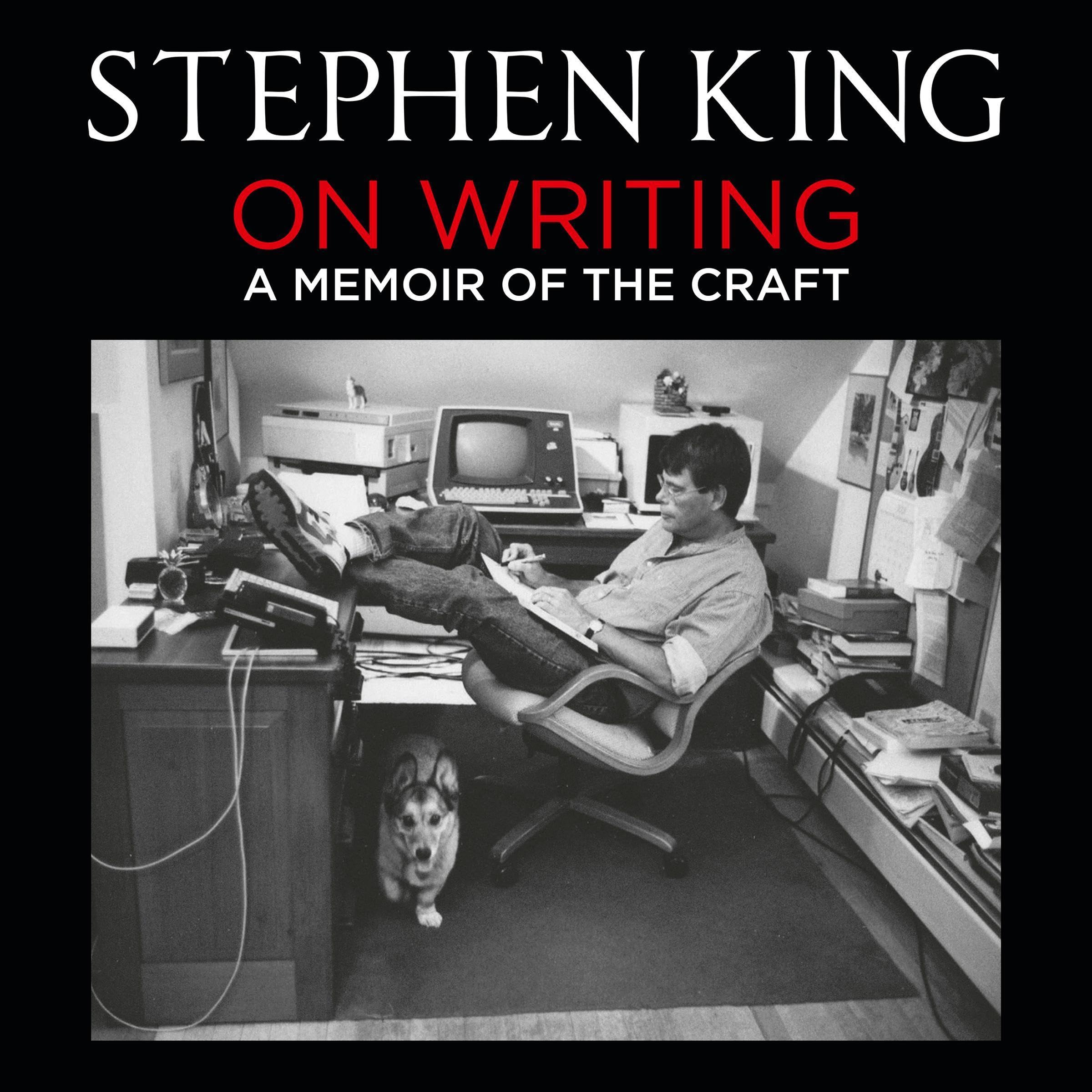
Stephen King’s On Writing: A Memoir of the Craft is more than just a guide for writers. It offers valuable insights for anyone who wants to connect with an audience through words or performance. Whether you’re a songwriter, public speaker, or singer, this book provides helpful wisdom. It can assist you in telling a great story. I help singers, musicians, and speakers express themselves authentically, and King’s advice can surprisingly apply to these fields. Let’s see how On Writing can enhance your vocal and storytelling abilities.
1. The Power of Authenticity: Speak (or Sing) Your Truth

I think one of the main points in On Writing is the importance of being genuine. King highlights that good writing comes from a place of honesty. This means sharing your true feelings or accurately describing your experiences. This idea is just as important for singers and public speakers. Your audience connects best when they sense your authenticity in a story, whether through a song or a speech.
For singers, this means more than just hitting the right notes; it’s about expressing real emotions. For speakers, it’s about telling stories that show your unique viewpoint. Authenticity is what makes a skilled performance unforgettable. Ask yourself: what matters to you? What story do you want to share that feels special to you? King’s advice to “write with the door closed” and focus on your own voice before worrying about the audience is also important for singers—refine your truth before sharing it with others.
2. “The Toolbox”: Build Your Skills One Step at a Time

King’s idea of the writer’s “toolbox” is important for anyone learning their craft. He suggests that writers should first focus on basic skills—like vocabulary, grammar, and style—before adding more advanced techniques later. For singers and speakers, this toolbox includes breath control, pitch accuracy, clear speaking, and storytelling.
In my vocal coaching sessions, I often stress that becoming skilled comes from regular practice and taking small steps to improve. If you want to write better lyrics as a songwriter, study rhyme patterns, how words flow, and use of metaphors. If you want to connect better with your audience as a speaker, practice your voice’s rhythm and pace. Like King’s toolbox, your abilities become stronger as you keep improving and adding more. Just as a writer revises their work, a vocalist needs to practice, try new things, and polish their performance.
3. “Kill Your Darlings”: Less Is More in Writing and Performance
One of the most famous pieces of advice from On Writing is “kill your darlings,” which means cutting out the parts of your work that might be self-indulgent or unnecessary, no matter how much you love them. For songwriters, this is invaluable advice. Sometimes a catchy line or clever rhyme doesn’t serve the song’s overall message. It needs to be let go. The same goes for public speakers who might be tempted to include every anecdote or detail.
In singing and performance, this principle can apply to showmanship. Overloading a song with excessive vocal runs or distractions can dilute the emotional impact. Simplicity often leads to the most powerful performances. Always ask yourself: does this lyric, note, or story serve the bigger picture? Trust King’s wisdom and focus on what truly resonates with your audience.
4. Storytelling: The Heart of Every Great Song or Speech

King’s belief in the power of storytelling is central to On Writing. He stresses that a story should transport the reader, make them feel something, and leave them changed. This is directly applicable to musicians, singers, and public speakers. Every great song tells a story—whether it’s a literal narrative or an emotional journey. Likewise, public speakers captivate audiences with stories that make their message unforgettable.
When crafting a speech or writing lyrics, think of it like King’s advice: start with an idea or emotion, then build the world around it. Your song or story should have a beginning, middle, and end, even if it’s abstract. How will your audience feel at the end of your performance? That’s the magic of storytelling—and it’s as important to vocalists and speakers as it is to novelists.
5. Discipline and Routine: The Key to Creativity

King is a big believer in showing up for your craft every day. He writes about setting aside time each day to write, whether or not inspiration strikes. This disciplined approach is invaluable for songwriters, vocalists, and speakers. Creative work isn’t just about inspiration—it’s about persistence and routine.
If you’re a songwriter, set aside time daily to brainstorm lyrics, experiment with melodies, or practice your instrument. For singers, regular vocal exercises and rehearsals build the muscle memory you’ll need for effortless performances. And for public speakers, practicing your speech and refining your delivery will ensure you feel confident on stage. As King says, “Amateurs sit and wait for inspiration, the rest of us just get up and go to work.”
6. Connection: The Ultimate Goal of Every Artist

Ultimately, On Writing reminds us that the purpose of any creative work is connection. King writes for his “Ideal Reader,” the person he imagines will understand and enjoy his stories the most. As a vocal coach, I often ask my clients: who are you singing or speaking to? Whether you’re writing lyrics, delivering a keynote, or performing a song, the goal is to make your audience feel seen, understood, and moved.
Think about what your ideal listener needs from your story. Are you comforting them, inspiring them, or helping them see something in a new light? King’s reminder to focus on your audience’s experience is a powerful guide for musicians and speakers alike.
Conclusion: Stephen King’s Lessons for Your Vocal and Creative Journey
Stephen King’s On Writing is more than a manual for authors—it’s a guide to creative expression that resonates across mediums. As a vocal coach, I see the value of his teachings every day, whether it’s helping a singer connect emotionally with their lyrics, guiding a speaker to tell a more compelling story, or encouraging a songwriter to focus on authenticity.
If you’re ready to unlock your full creative potential, start by embracing the lessons King shares: be authentic, hone your skills, simplify, tell powerful stories, and stay disciplined. I’m here to help you find your voice and make your story unforgettable—whether through song, speech, or both. Let’s work together to create something extraordinary.
Disclosure: This link below is Amazon affiliate link. If you click on it, I earn a small commission. It is at no additional cost to you. This supports the website and complies with the Amazon Associates Program policies.
Stephen King on Writing – Selected Video Resources
The Art of Writing: A Video Review of Stephen King’s On Writing
A focused and thoughtful summary of King’s core advice on the writing process — daily practice, wide reading, and letting the first draft unfold without judgment. A valuable visual companion to his book.
Stephen King, Tabitha King, and Owen King in Conversation
A meaningful discussion on creativity and family writing life, featuring reflections on story development, influences, and a reading from Under the Dome.
Further Insights on Writing
Additional reflections from King on storytelling, discipline, and his experience engaging with emerging writers.
FAQ: Stephen King on Writing
What is the main message of On Writing?
Read more
King emphasises that writing is a craft built through daily practice, reading widely, and trusting instinct. He encourages writers to remove fear, embrace clarity, and remember that good stories grow from truth and discipline rather than formulas.
Why is On Writing considered one of the best books for creatives?
Read more
Because it blends memoir and instruction. King reveals the real process behind creative work — persistence, revision, and resilience — showing that artistry grows out of everyday effort, not inspiration alone.
How does Stephen King’s approach apply to singers and performers?
Read more
His belief in repetition and authenticity mirrors the artist’s path in music. Just as a writer writes daily, a singer strengthens expression through consistent practice and honest connection to the material.
What is Stephen King’s most practical advice for artists?
Read more
“Read a lot, write a lot.” In other words — immerse yourself in the language of your art. Observation, curiosity, and steady work are the foundation of mastery in any creative field.
Inspired by Stephen King’s perspective on writing?
You’ll find more books that nurture creativity, lyric writing, and poetic thinking in the curated selections below.


Discover more from The Vocal Coach London


For Pro Tips & Expert Insights Check my Blogs (choose the relevant category)
- Audio History
- Breathing & Vocal Technique
- Classical Singing
- Creative Process for Singers
- featured
- Headphones & Hi-Fi
- Microphones
- Music & Artistic Development
- News & Updates
- Overcoming Performance Anxiety
- Recording & Studio
- Singing and Creativity
- Speakers & Sound Systems
- Studio Headphones
- Vocal Performance