

11 Reasons Why Your Breathing Defines Your Voice
Breathing is the most natural act we perform every moment of our lives. Yet, when it comes to singing or speaking, many people forget that the voice is born from breath. Every tone, every phrase, and every expression we deliver is powered by the invisible engine of air. For singers and speakers alike, attention to breathing is not optional — it is the foundation of stamina, resonance, and artistry.
In this article, we will explore 11 reasons why your breathing defines your voice. By understanding the deep connection between lungs, body, and sound, you can begin to unlock more freedom and presence in your vocal expression.
1. Oxygen Fuels Vocal Stamina
When the lungs are filled fully and efficiently, the body receives more oxygen. This oxygen is carried by the blood to the muscles, including those that support the voice. Proper breathing means you can sustain demanding vocal work without fatigue. For opera singers, long arias require enormous reserves of energy — and it is breath that keeps the voice alive across those pages of music. The same applies to jazz and pop rock.
2. Longer Phrasing Made Possible
One of the most obvious signs of a trained singer is the ability to carry a phrase to its natural end, without breaking for breath too soon. In speaking, this same skill allows a presenter or leader to project authority, finishing sentences with confidence. The secret to long, elegant phrasing is not stronger vocal cords — it is deeper, more economical breathing. No one is asking you to sing a whole song in one breath, of course, but sometimes one big phrase without breaks for yet another inhale can deliver much more in terms of artistic meaning and have greater impact on your audience.
3. Prevents Strain and Injury
When the breath is neglected, singers often push with the throat or tighten the larynx in an attempt to sustain sound. This is the quickest path to vocal fatigue, hoarseness, or even long-term damage. Breath acts as a cushion: it supports the vocal folds so they can vibrate freely, without unnecessary force. Proper breathing is not just technique — it is vocal health insurance.
4. Calms Nerves and Stage Fright
Before stepping onto a stage, anxiety can cause shallow, rapid breaths. By consciously returning to slow, deep inhalation, you activate the parasympathetic nervous system, which signals calm to the body. Controlled breathing steadies the pulse, clears the mind, and allows you to begin with poise. Every professional singer knows that the first breath on stage is as important as the first note. Luciano Pavarotti himself often mentioned that he would take four to five deep breaths before stepping on stage to calm himself, because inevitably there is a spike of cortisol before any public performance, whether in singing or speaking.
5. Sharpens Focus and Memory
Oxygen is not just for muscles — it nourishes the brain. Clear thinking, quick recall, and mental presence all depend on well-oxygenated blood. Ancient orators trained their breath not only to sustain speeches but also to sharpen their mental focus. For singers, this means that good breathing is also the foundation of reliable memorization and clear interpretation.
6. Boosts Resonance and Projection
Resonance — the natural amplification of the voice — depends on a steady stream of air. Without it, sound collapses. With it, the voice finds its full vibration in the chest, mouth, and head. Projection too is impossible without airflow. A singer who learns to manage breath can fill a hall without strain; a speaker can reach the back row without shouting.
7. Aligns Posture and Vocal Presence
Breathing cannot be separated from the body. A collapsed chest or tense shoulders block airflow; a balanced, upright posture allows it to flow naturally. Singers often speak of “singing with the whole body,” and this begins with posture that supports breath. The simple act of standing tall aligns body and breath, which in turn enhances vocal authority.
8. Essential for Speaking as Well as Singing
Though singers often spend more time on breathing exercises, the same principles apply to professional speakers, teachers, lawyers, or anyone who depends on their voice daily. Controlled breathing allows them to project clearly, avoid strain during long hours, and carry emotional weight in their delivery. Breathing is not only for arias — it is for every word we speak.
9. Controls Vibrato and Tonal Steadiness
A free, even vibrato is a sign of a healthy instrument. Behind it lies breath control: the ability to maintain steady airflow without interruption. Sudden bursts or collapses in the air supply create instability in tone. By mastering breath, singers keep the line of sound smooth and expressive, able to shape vibrato or hold a pure straight tone as the music demands.
10. Prevents Vocal and Physical Fatigue
Many singers notice not only vocal tiredness but also overall exhaustion after poor breathing. Why? Because shallow breathing forces the body into tension. An uncontrolled position of the lungs takes the vocal cords out of the zone where they can deliver the best sound. As a result, tone suffers and compensatory muscles become overactive. Muscles in the neck, shoulders, and back strain to compensate. Efficient breathing, by contrast, distributes effort through the diaphragm and lungs. The result is less fatigue and more energy left for performance.
11. Connects Breath to Emotion and Artistry
Breath is not just mechanics — it is expression. A sigh of sadness, a gasp of wonder, or a laugh of joy all begin with air. When singers learn to connect breath with emotion, their performances move beyond technique into artistry. The voice becomes more than sound: it becomes a living extension of the inner self.
Anatomy of Breathing
Every sound begins with breath. This FAQ explores the essential structures that make vocal breathing possible — from the diaphragm to the lungs and airways — revealing how each element contributes to resonance, support, and stamina.

Image by LadyofHats / Wikimedia Commons (CC BY-SA)
The diagram traces the path of breath from the nose and pharynx through the larynx and trachea into the bronchi, ending at the alveoli where gas exchange occurs. On inhalation, the diaphragm lowers and the intercostal muscles widen the rib cage, allowing the lungs to expand quietly and efficiently while the pleural sacs let the lungs glide against the chest wall. For singing and speech, a controlled, gradual exhalation maintains steady subglottal pressure at the vocal folds, producing stable tone, resonance, and stamina.

Image by Anatomytool / Wikimedia Commons (CC BY-SA 4.0).
While the respiratory system diagram above shows the overall structure of airflow and resonance, the diaphragm itself deserves special attention. It is a broad, dome-shaped muscle that forms the floor of the rib cage — the true engine of breath. Every phrase we sing or speak begins with its subtle movement. Developing deep awareness of this muscle — how it contracts, releases, and coordinates with the intercostal muscles — is essential for mastering both speech clarity and vocal power. For singers, the diaphragm is not simply anatomical; it is the bridge between physical breath and expressive sound.
Understanding the relationship between the lungs, diaphragm, and intercostal muscles helps singers and speakers visualize how air pressure, resonance, and tone are produced. These anatomical structures form the physical foundation of breath support — ensuring smooth airflow for vocal clarity, stamina, and expressive phrasing.
The Science Behind Nebulisers
This insightful video from the History of Simple Things channel offers a clear, accessible explanation of how nebulisers work and why they’re so effective for maintaining healthy lungs. By turning liquid solutions into a fine mist, these devices deliver hydration or medication deep into the airways — helping the lungs stay clear, flexible, and responsive. For singers and speakers, understanding this process reveals how respiratory health directly supports tone, breath stability, and vocal recovery.
From jet and ultrasonic to modern mesh designs, nebulisers demonstrate how science and technology can enhance natural breathing — a reminder that every strong voice begins with healthy airflow. Watch the video below to learn more about the principles behind these remarkable tools.
The Evolution of Breath Technology — From Victorian Steam Devices to Modern Nebulisers
In the late 19th century, inventors and physicians began exploring how vapourised water and herbal infusions could support lung function and soothe respiratory ailments. The engraving below, first published in Die Gartenlaube (1884), presents a fascinating glimpse into this era of scientific experimentation. It depicts a series of early inhalation and vaporisation devices — brass, glass, and iron instruments powered by flame and pressure — each designed to deliver medicated steam to the lungs.
These mechanisms, though primitive by modern standards, mark the birth of respiratory science. They belong to a period when breathing was first understood not only as a biological necessity but as a key to vitality, balance, and artistic expression.
For singers, this lineage connects directly to the technologies we use today. Modern nebulisers transform liquid into an ultra-fine mist, hydrating the respiratory system more effectively than traditional steam inhalers. From these ornate 19th-century contraptions to today’s sleek ultrasonic mesh designs, the underlying principle remains the same: a healthy, hydrated breath is the foundation of a powerful, resonant voice.

Public domain image via Wikimedia Commons.
For anyone who depends on their voice—singers, speakers, actors, or teachers—the quality of breath directly shapes performance. In recent years, many professionals have begun using ultrasonic and mesh nebulisers as part of their breathing and recovery routine. These devices transform saline or prescribed solutions into a fine mist, gently hydrating the airways and supporting lung function after long hours of rehearsal or exposure to dry environments.
Unlike inhalers, which deliver targeted medication, nebulisers create a broader mist that reaches the deeper areas of the lungs. This helps to maintain clearer airflow, reduced inflammation, and consistent breath pressure—all essential for healthy vocal resonance. While they are primarily medical tools, modern compact designs make them safe and convenient for preventive use, especially during travel or after intensive voice work.
Integrating occasional nebuliser sessions into a singer’s care routine can enhance recovery, improve breath awareness, and ensure optimal respiratory balance. As always, consult a healthcare professional before adding any new device to your regimen, and prioritise high-quality models designed for reliable performance.
To explore a curated collection of devices that support clear breathing and a healthy vocal environment — including humidifiers, air purifiers, and nebulisers — visit the Voice Shop Vocal health & Care Tools Section.
Conclusion
Breathing defines the voice because it defines life itself. Every note you sing, every word you speak, is carried on breath. By giving more attention to your lungs and breath, you are not only strengthening technique but also opening a deeper connection to your body, mind, and audience. Do not take it for granted — explore it with curiosity and discernment.
Start with awareness: notice how you breathe, notice how breath changes your sound, and practice filling your lungs fully. With each conscious breath, you will discover a freer, stronger, more authentic voice.
Featured Books
This section contains Amazon affiliate links. I may earn a small commission if you make a purchase — at no extra cost to you.
Breath: The New Science of a Lost Art by James Nestor
An international bestseller exploring how ancient breathing techniques and modern science reveal the forgotten power of breath — with profound effects on health, energy, and longevity.


The Wim Hof Method by Wim Hof
In this transformative book, The Iceman Wim Hof explains how breathing, cold exposure, and focused mindset can radically change your energy, immunity, and mental strength. Praised by leading voices like James Nestor and Gabor Maté, this is one of the most accessible guides to self-mastery — and a valuable companion to anyone exploring vocal, physical, or inner performance.

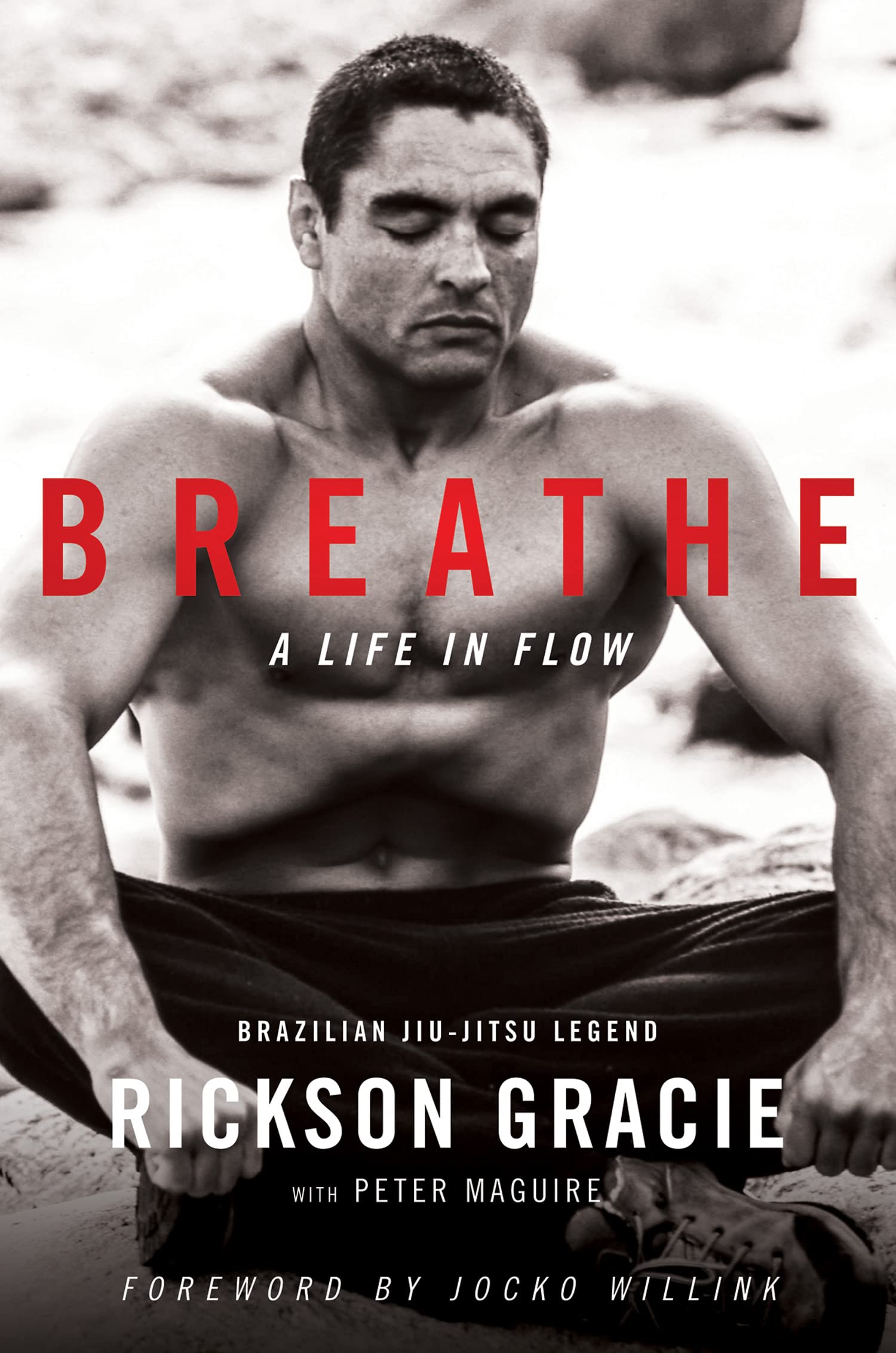
Breathe: A Life in Flow by Rickson Gracie
Rickson Gracie, legendary Brazilian jiu-jitsu master and martial artist, shares powerful insights on the role of breath, presence, and internal mastery in his acclaimed book Breathe: A Life in Flow. His perspective blends physical discipline with deep internal awareness, making this a valuable read for anyone exploring advanced breathwork, vocal control, or peak performance states.
More in this category


Discover more from The Vocal Coach London


#SingingLessonsLondon #BreathingForSingers #VocalTechnique #LearnToSing #VoiceTraining