

Best Wireless Microphones for Singing, Speech & Live Performance (2026)
Contents
- Best Wireless Microphone for Live Singing
- Best Premium Handheld Wireless System
- Best Wireless Microphone for Presentations & Teaching
- Best Wireless System for Content Creation & Mobile Recording
- Best Wireless Handheld Under Moderate Budget
- Best Mid-Tier Handheld for Events & Regular Use
- Best Lavalier Wireless System for Professional Speech
- Best Wireless Headset System for Active Use
- Best Rackmount Digital Wireless System
- Wireless Microphone Comparison Table
- FAQ – Wireless Microphones
Related guides: Wireless Microphones Guide · How to Choose a Wireless Microphone · Wireless Microphone Comparison · Major Wireless Microphone Brands · Shop Wireless Microphones
Choosing the best wireless microphone depends on how you plan to use it — live singing, speech, presentations or events. Whether for stage performance, public speaking or content creation, the right wireless microphone system must deliver stable signal, clear sound and reliable performance in real-world environments where interference and range can affect results.
This guide compares the best wireless microphone systems available in 2026, organised by real-world performance, speech, and recording scenarios. Each recommendation reflects system stability, behavioural predictability, and practical usability — enabling confident selection for live vocals, presentations, and professional voice work without unnecessary technical complexity.
Best Wireless Microphone for Live Singing
Shure GLXD24+/SM58
A modern digital wireless system combining Shure’s legendary SM58 capsule with automatic frequency management and dual-band stability. Designed for performers who prioritise signal security and predictable stage behaviour.

Best Premium Handheld Wireless System
Sennheiser EW 100-845S
A performance-oriented wireless handheld built around the supercardioid 845 capsule. Known for focused projection, excellent feedback resistance, and dependable RF stability across demanding live environments.

Best Wireless Microphone for Presentations & Teaching
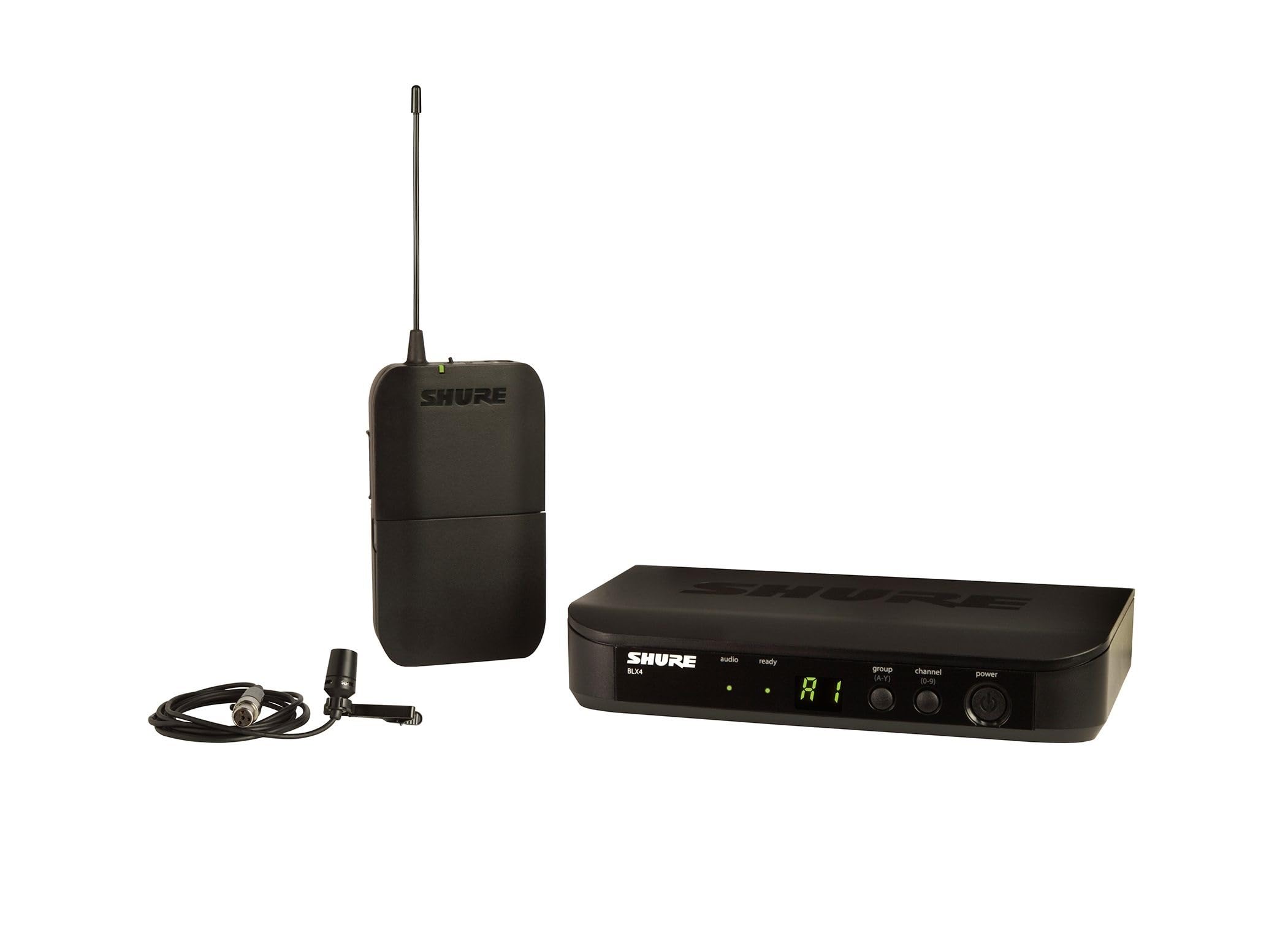
Shure BLX14/CVL
A reliable lavalier system designed for natural speech clarity and consistent vocal level. Ideal for educators, presenters, coaches, and speakers who require hands-free stability.
Best Wireless System for Content Creation & Mobile Recording
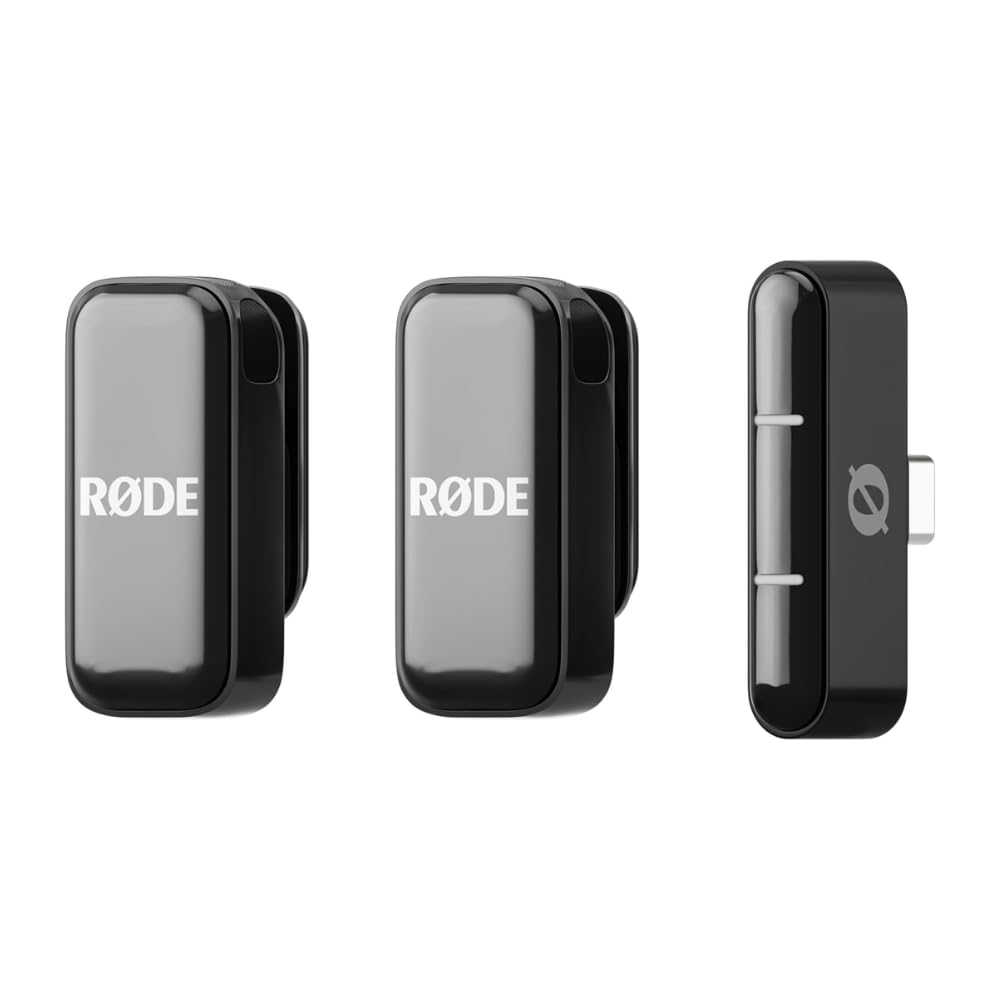
RØDE Wireless Micro
An ultra-compact digital wireless solution engineered for smartphone workflows, interviews, lessons, and portable video production. Prioritises speed, simplicity, and modern recording flexibility.

Best Wireless Handheld Under Moderate Budget
Shure BLX24/SM58
A classic analogue UHF system delivering familiar SM58 vocal behaviour with dependable signal stability. A practical entry point into wireless performance without complexity.

Best Mid-Tier Handheld for Events & Regular Use
Sennheiser XSW 2-835
A balanced wireless system offering strong RF stability, true diversity reception, and clear vocal articulation. Well suited to presenters, performers, and event environments.

Best Lavalier Wireless System for Professional Speech
Sennheiser EW 100 G4-ME2
A professional-grade lavalier system widely trusted in theatres, broadcast, education, and corporate environments. Known for RF stability, natural speech clarity, and durable build quality.

Best Wireless Headset System for Active Use
Shure BLX14R/MX53
A discreet, lightweight headset solution designed for presenters, instructors, and movement-heavy applications. Prioritises stable positioning and consistent vocal intelligibility.

Best Rackmount Digital Wireless System
Shure GLXD24R+/SM58
A premium rackmount wireless system delivering digital dual-band stability with automatic interference management. Ideal for fixed installations and professional stage rigs.

Wireless Microphone Comparison Table
| System | Category Strength | System Character | Ideal Application | Practical Perspective |
|---|---|---|---|---|
| Sennheiser EW 100-845S | Stage Stability | Focused, controlled, predictable | Live vocals & performance | A dependable wireless platform for consistent stage work. |
| Shure GLXD24+/SM58 | Digital Simplicity | Clean, stable, interference-aware | Performers & presenters | Excellent for users prioritising ease of operation and rechargeability. |
| RØDE Wireless Micro | Ultra-Portable Workflow | Compact, fast, creator-oriented | Mobile recording & interviews | Ideal where portability and rapid setup outweigh long-range demands. |
| Sennheiser EW 100 G4-ME2 | Discreet Speech Capture | Natural, stable, unobtrusive | Teaching, presentations, theatre | A strong lavalier solution for controlled, hands-free voice applications. |
FAQ – Wireless Microphones
What differentiates a wireless microphone system from a wired microphone?
A wireless microphone system introduces an additional transmission layer where RF stability, interference resistance, and receiver performance become as critical as capsule characteristics. The evaluation shifts from purely acoustic behaviour to system reliability.
Does wireless technology compromise sound quality?
Modern digital wireless systems can deliver audio quality comparable to wired microphones under stable RF conditions. Perceived differences typically arise from companding behaviour, gain structure, or transmission stability rather than capsule limitations.
Why is RF stability more important than tonal nuance in wireless systems?
In wireless operation, signal continuity is fundamental. Minor tonal differences become irrelevant if interference, dropouts, or frequency congestion disrupt performance. Reliability precedes refinement.
Does price determine wireless reliability?
Higher-tier systems often provide improved RF architecture, frequency agility, and interference management, but stability ultimately depends on spectrum conditions, environment complexity, and correct system configuration.
Can one wireless system suit every application?
Wireless suitability varies significantly. Stage vocals, presentations, broadcast, lavalier use, and mobile production impose different demands on transmission range, latency, battery workflow, and capsule behaviour.
Are digital wireless systems always superior to analogue systems?
Digital systems offer advantages in noise performance and interference management, while analogue systems may provide lower latency and familiar behaviour. Practical superiority depends on application context.
How important is frequency management in wireless microphones?
Frequency coordination is central to wireless performance. Congested RF environments, Wi-Fi traffic, and competing systems often dictate real-world stability more than microphone model selection.
Final Buying Perspective
Wireless microphone selection is ultimately an exercise in risk management. Capsule character, RF stability, battery workflow, and system behaviour outweigh theoretical specifications alone.
Choosing a proven system reduces technical uncertainty, preserves vocal clarity, and ensures consistent performance across varied acoustic environments.
More in this category

Wireless Microphone Comparison: Types, Systems & Uses
Compare wireless microphone types, technologies and applications, from handheld, lavalier and…

How to Choose a Wireless Microphone: A Practical Guide
Learn how to choose a wireless microphone for singing, speaking, theatre…

Major Wireless Microphone Brands in Professional Audio
Explore the major wireless microphone brands used across live performance, touring,…

Wireless Microphones: A Complete Guide
As a professional singer, I know the freedom a reliable wireless…